This post may contain affiliate links. For more information, see our Affiliate Disclosure Policy.
Introduction
This incredible creamy ramp pasta is honestly one of those genuinely magical seasonal dishes that brings the bright, earthy, woodsy flavor of foraged wild spring greens straight to the forefront of your plate. With just 30 minutes from start to finish from prep to your dinner table, this incredible ramp pasta recipe absolutely bursts with fresh spring herbaceousness thanks to a vibrant emerald green sauce made from quickly-sauteed wild ramps, fresh basil leaves, toasted golden pine nuts, AND bright fresh lemon zest. It is honestly creamy, beautifully herbaceous, AND gorgeously simple to make at home. The kind of seasonal Italian-inspired pasta recipe that is honestly perfect for welcoming the entire fresh new spring season AND celebrating the brief few weeks each year when wild ramps are available at your local farmers market.
The first time I cooked with wild ramps, it honestly felt like discovering a secret magical spring ingredient that nobody had ever told me about. Their garlicky-onion-y punchy flavor is beautifully mellowed by just a quick sauté in olive oil, AND when blended together with quality olive oil, fresh basil, AND nutty Parmesan cheese, the ramps transform into a silky vibrant green sauce that clings beautifully to every single twist and turn of the pasta. Whether you are completely new to wild ramps OR a longtime experienced spring forager who plans your entire April calendar around ramp season, this incredible dish is honestly a wonderfully fresh AND deeply flavorful way to let these foraged wild spring greens absolutely shine. The first time I made this incredible creamy ramp pasta for our family was on a chilly Sunday afternoon in late April when our local farmers market finally had its first stall of foraged Appalachian wild ramps from a local mountain forager. With my arms full of beautifully fresh ramps and a brand new bottle of fresh local olive oil, I was honestly determined to make the most absolutely impressive spring pasta dinner possible from this fleeting seasonal ingredient. Thirty minutes later we were sitting at our family dinner table with bowls of fusilli pasta swirled in the most absolutely gorgeous emerald green sauce I had ever made. My entire family was completely speechless after the first bite. My husband took one bite of his still-warm pasta, paused mid-chew with serious surprise, looked at me with absolute disbelief, and said “Honey, this honestly tastes EXACTLY like that gorgeous spring pasta from that fancy Italian bistro in Brooklyn we visited on our anniversary that costs $34 per plate. How is this just sauteed wild ramps, pine nuts, basil, and pasta? Genuinely impossible.” Emily (who is honestly a serious pesto-pasta enthusiast and has been since age 5) tried hers and said “Mom, this is officially my new go-to spring dinner. Can we have this every Sunday during ramp season for the next 6 weeks until they are gone?” She has been requesting it weekly during the brief ramp season ever since. My niece Charlotte tried this during a Sunday family lunch visit, called it “the green spring magic pasta,” and asked her mom to learn how to make it. My sister-in-law (who has been working on incorporating more sophisticated elegant seasonal foraged ingredients into her family rotation) made this for her family of 5 on a busy Saturday and texted me a photo saying “ICONIC discovery. Husband AND all three kids honestly devoured the entire pot in one sitting and asked when I would make more. Going on the weekly Sunday spring dinner rotation forever until ramps go out of season.” My brother (a self-proclaimed red-sauce-pasta-only person who normally avoids green sauces) tried this and admitted “Okay, you have officially converted me into a green-pasta-sauce person. Game changer for my pasta game entirely.” Now this is honestly our official “I need an impressive spring dinner that everyone genuinely loves” weekly recipe during ramp season. If you love fresh herbaceous pasta sauces like this, you have to try my Walnut Pesto Pasta Salad next for another gorgeous green pesto pasta option.
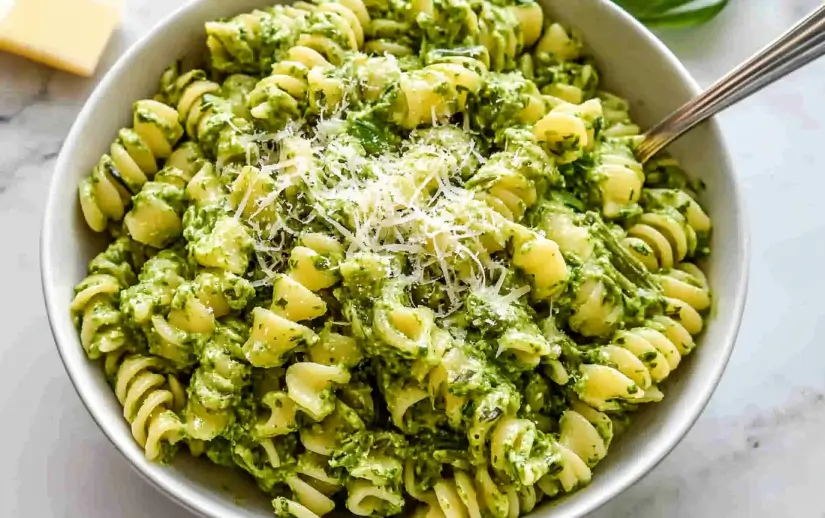
Imagine for a moment honestly the perfect bowl of warm, perfectly al dente cooked pasta covered in a creamy, silky vibrant green sauce that clings to every single curve and twist of the pasta. The sauce is honestly nutty from the toasted pine nuts, deeply rich from the Parmesan cheese, AND beautifully brightened by the fresh lemon zest and fresh lemon juice. The wild ramps add a subtle complex garlic-onion flavor that is honestly more complex AND sophisticated than raw garlic, yet significantly less aggressive than raw onion. The silky herbaceous sauce hugs every single curve and beautiful twist of the chunky pasta shape. It is honestly somehow simultaneously feeling light AND luxuriously rich at the exact same time. Wild foraged ramps provide that signature woodsy garlic-y oniony complexity. Toasted pine nuts add nutty richness and creamy texture. Fresh basil leaves add aromatic bright depth. Quality extra virgin olive oil emulsifies everything beautifully. Freshly grated Parmesan cheese adds salty umami richness. Fresh lemon zest adds essential bright citrus pop. Fresh lemon juice brightens all the flavors. Sea salt amplifies all the natural flavors. Each forkful delivers herbaceous, garlicky, nutty, rich, creamy, bright, sophisticated, deeply spring-y, complex, and honestly genuinely deeply seasonal all at once. The kind of seasonal pasta recipe that proves the absolute best impressive spring dinners really do not require complicated multi-step techniques to genuinely create something restaurant-quality.
Why You Will Like This Creamy Ramp Pasta
- Quick and easy, done in just 30 minutes with minimal prep and minimal cleanup.
- Family-friendly, the flavor is mild and delicious, kids and adults both enjoy it.
- Ideal for spring, uses wild ramps, a foraged ingredient only available for a few weeks each year.
- Impressive but effortless, looks gourmet but is honestly weeknight-simple to make.
- Naturally vegetarian and easily made gluten-free or vegan with simple swaps.
- High in healthy fats from quality olive oil and toasted pine nuts.
- Make-ahead friendly, sauce can be made up to 3 days ahead and refrigerated.
- Beautiful seasonal presentation, the vibrant emerald green color is absolutely Instagram-worthy.
Creamy Ramp Pasta Ingredients
Here is everything you need to make this incredible spring pasta dinner at home. The ingredient list is honestly minimal and uses just 9 simple fresh ingredients.
The Pasta And Sauce
- 1 pound chunky pasta (fusilli, penne, or rigatoni)
- 1/4 cup pine nuts
- 1 bunch fresh wild ramps (about 10 to 12 ramps)
- 1/2 cup extra virgin olive oil
- 1 cup packed fresh basil leaves
- 1/2 cup freshly grated Parmesan cheese
- 1/2 teaspoon fine sea salt
- Zest of 1 fresh lemon
- 1 tablespoon freshly squeezed lemon juice
For Serving (Optional)
- Extra freshly grated Parmesan cheese for topping
- Fresh basil leaves for garnish
- Cracked black pepper
- A drizzle of high-quality extra virgin olive oil
- Red pepper flakes for heat
- Toasted breadcrumbs for crunch
- Fresh lemon wedges for serving
Optional Add-Ins And Flavor Variations
- A pinch of red chili flakes whisked into the sauce for warming heat
- 1 tablespoon of fresh ricotta cheese stirred in for extra creaminess
- A small drizzle of black truffle oil for elegant flair
- 1/4 cup crumbled goat cheese or feta for tangy contrast
- 2 tablespoons fresh chopped parsley or chives for additional herb layers
- 1 tablespoon nutritional yeast added to the sauce for vegan umami depth
- 1 tablespoon white wine in the sauce for restaurant-style depth
- 2 tablespoons heavy cream for an even creamier sauce
- 1/2 teaspoon Dijon mustard whisked into the sauce for body
- A few fresh mint leaves with the basil for cooling complexity
For Optional Protein Additions
- 2 grilled chicken breasts, sliced
- 1 pound sauteed garlic shrimp
- 4 poached eggs (1 per serving)
- 4 seared scallops for elegant version
- 1 cup cannellini or white beans for vegetarian protein boost
- 4 ounces pancetta or bacon, crisped
Ingredient Notes And Shopping Tips
For the wild ramps, this is honestly the absolute single most important ingredient that determines the success of your final pasta dish. Wild ramps (also called wild leeks or Allium tricoccum) are honestly available for only about 4 to 6 weeks each year, typically late March through early May in most Eastern US regions. Look for ramps at your local farmers market, foraging stalls, or specialty grocery stores during peak ramp season. Quality fresh ramps should have BRIGHT GREEN leafy tops (NOT yellowing or limp) AND FIRM white bulbous stems (NOT shriveled or slimy). The bulbs should still have the small dirt-covered roots attached (sign of fresh foraging). AVOID ramps that look wilted, yellowing, or have strong off-odors. Quality sources include local farmers markets (the absolute best source during peak season), Whole Foods (often carries them during ramp season), specialty Italian or Mediterranean grocery stores, OR online seasonal foraging delivery services like Foraged.com or Wild Mountain Mushrooms. For year-round substitutes when ramps are out of season, see the substitution section below. Cost note: A bunch of fresh ramps typically runs $8 to $15 during peak season.
For the pasta, use a CHUNKY shaped pasta that the creamy sauce can properly cling to. Fusilli (spiral pasta), penne (tube pasta), or rigatoni (large ridged tubes) all work beautifully. The grooves and curves of these shapes catch the creamy ramp sauce in every bite. Quality pasta brands include De Cecco (Italian classic), Barilla (widely available), Garofalo (premium Italian), Rao’s (premium), and Trader Joe’s pasta varieties. For gluten-free needs, use a sturdy GF pasta like Banza (chickpea-based), Jovial (brown rice), Tinkyada (brown rice), or DeLallo (corn and rice). AVOID delicate pasta shapes like angel hair or capellini (sauce slides off without clinging). Cook the pasta until just al dente (slightly firm to the bite) to preserve the perfect texture.
For the pine nuts, use FRESH pine nuts for the absolute best nutty flavor. AVOID pine nuts that have been sitting in your pantry for many months (they go rancid very quickly due to their high oil content). Quality brand options include Trader Joe’s Pine Nuts, Whole Foods 365 Pine Nuts, Costco Kirkland Pine Nuts, and Nutmaster Pine Nuts. For best flavor, toast the pine nuts in a dry skillet over medium-low heat for 3 to 5 minutes (stirring constantly) until they are golden brown and aromatic. AVOID burning them (they go from perfectly golden to burnt very quickly). For nut-free needs (school-safe or allergy-friendly), use raw sunflower seeds or raw pumpkin seeds (pepitas) as a 1-to-1 substitute. Cost note: A 6-ounce bag of pine nuts typically runs $12 to $20 (expensive but worth the splurge).
For the olive oil, use a quality EXTRA VIRGIN olive oil for the absolute best flavor in this sauce (since it is essentially a raw sauce, the olive oil flavor really shines through). Quality brands include California Olive Ranch Extra Virgin Olive Oil, Whole Foods 365 Extra Virgin Olive Oil, Bertolli Extra Virgin Olive Oil, and Lucini Italia Premium Select Extra Virgin Olive Oil. For premium options, look for fresh-harvest, single-origin olive oils from your local specialty market. AVOID using vegetable oil, canola oil, or low-quality olive oils (off-flavors will definitely come through in the raw sauce).
For the fresh basil, use FRESH basil leaves (NOT dried basil, which has totally different flavor). Fresh basil makes the sauce significantly more fragrant AND aromatic. Avoid dried basil here. Look for fresh basil in the herb section of your grocery store OR grow your own (basil is honestly easy to grow in pots or gardens during spring and summer). Quality store sources include Whole Foods 365 Fresh Basil, Trader Joe’s Fresh Basil, or any local farmers market source. Wash and pat the basil leaves completely dry before adding to the sauce.
For the Parmesan cheese, use a WEDGE of Parmesan grated FRESH for the absolute best flavor in this recipe. Pre-shredded “Parmesan” from the cheese aisle often contains anti-caking agents and lacks the nuanced complex flavor of fresh Parmigiano-Reggiano. Quality wedge brands include Parmigiano-Reggiano DOP (the gold standard, sold at Whole Foods and Italian specialty stores), Grana Padano, Pecorino Romano (sharper alternative), and Whole Foods 365 Parmesan. Grate fresh on a microplane or box grater just before adding to the sauce for the absolute best fluffy texture and bright flavor. For vegan or vegetarian needs (Parmesan is traditionally made with animal rennet), look for vegetarian Parmesan brands like BelGioioso Vegetarian Parmesan OR nutritional yeast as a vegan alternative.
For the fresh lemon, ALWAYS use FRESH-squeezed lemon juice AND fresh-grated lemon zest (NOT bottled lemon juice or pre-grated zest). One fresh lemon typically provides about 1 tablespoon of zest AND 2 to 3 tablespoons of juice. Roll the lemon firmly on the counter before juicing to maximize extraction. Use a microplane grater for the lemon zest (only grate the bright yellow outer skin, NOT the bitter white pith underneath). Quality lemon sources include Whole Foods 365 Organic Lemons, Sunkist Lemons, and any local farmers market source.
Smart Substitutions
- No ramps swap: Try a combo of 4 to 6 finely chopped scallions plus 2 cups fresh spinach (mimics the ramp-spinach-onion vibe).
- Pine nut swap: Use walnuts, sliced almonds, or sunflower seeds for allergy-friendly options.
- Not a basil fan: Try fresh arugula or fresh parsley for a peppery or grassy twist.
- Lime swap: Use fresh lime zest and juice for a more tropical citrus touch.
- Vegan swap: Omit the Parmesan or use a plant-based alternative (nutritional yeast adds umami).
- Low-carb swap: Use spiralized zucchini noodles, hearts of palm pasta, or shirataki noodles in place of pasta.
- Different cheese swap: Use Pecorino Romano for a sharper salty alternative to Parmesan.
Callie’s Kitchen Note
The do-NOT-overcook-the-ramp-leaves rule is honestly the single most important secret to genuinely vibrant emerald-green not-army-green sauce every single time. The first time I made this recipe, I was honestly nervous about the unfamiliar wild ramps and accidentally cooked the ramp leaves for 3 to 4 minutes in the skillet (instead of just 30 seconds). The result was honestly disastrous. The over-cooked ramp leaves had turned a sad muted army-green color (instead of the vibrant emerald green I had been hoping for) AND lost most of their fresh herbaceous flavor. When I blended the overcooked leaves into the sauce, the entire pasta came out an unappetizing brown-green color (more like leftover spinach than fresh spring sauce) AND tasted muted and one-dimensional. The visual presentation was deeply disappointing (looked like overcooked vegetable mush rather than vibrant fresh sauce), AND the flavor lacked that signature bright fresh ramp punch that genuinely defines truly great ramp pasta. Now I always specifically cook the ramp leaves for ONLY 30 seconds (literally 30 seconds, not a single second longer) in the hot skillet AFTER sauteing the chopped stems separately for 3 minutes. The proper technique I follow: First sauté just the chopped white ramp stems for 3 minutes (the stems take longer to cook). THEN add the green ramp leaves and cook for ONLY 30 seconds, just until the leaves are barely wilted and still bright green. Remove from heat IMMEDIATELY. The proper visual cue I now look for: The cooked ramp leaves should still be VIBRANT emerald green (NOT dull or army-green). The leaves should be just barely wilted (NOT fully cooked down like spinach). The aroma should be bright and herbaceous (NOT muted or stewed-vegetable smell). The pro tip I now follow: Use a timer. Set it for exactly 30 seconds the moment you add the leaves to the pan. Have your blender or food processor ready and waiting next to the stove so you can immediately transfer the cooked ramps off the heat. The brief 30-second cook is just enough to gently mellow the harsh raw garlic-onion punch of the ramps without destroying their bright vibrant color. My sister-in-law learned this trick from me and now ALWAYS sets a strict 30-second timer for cooking ramp leaves. She texted me saying “Cannot believe what a difference precise timing makes. My ramp sauces are finally bright vibrant green instead of dull army-green.” Worth that 30-second discipline every single time. Genuine ramp-cooking transformation.

How To Make Creamy Ramp Pasta
This is honestly one of the easiest impressive spring dinners you will ever make. The whole process takes 30 minutes from start to plate. Read through once before starting.
1: Cook The Pasta
- Bring a large pot of salted water to a rolling boil over high heat (use about 1 tablespoon of salt per gallon of water for properly seasoned pasta).
- Add the 1 pound of pasta to the boiling water.
- Cook the pasta according to the package instructions until just al dente (slightly firm to the bite, typically 9 to 11 minutes for fusilli or penne).
- Just before draining, reserve 1/2 cup of the starchy pasta cooking water in a small bowl (you will use this to adjust the sauce consistency).
- Drain the pasta in a colander but do NOT rinse (the starchy surface helps the sauce cling).
- Return the warm pasta to the pot to keep warm while you make the sauce.
2: Toast The Pine Nuts
- While the pasta is cooking, heat a small dry skillet over LOW heat.
- Add the 1/4 cup of pine nuts to the skillet.
- Toast the pine nuts for 3 to 5 minutes, stirring constantly with a wooden spoon, until the nuts are golden brown and fragrant.
- Immediately transfer the toasted pine nuts to a small bowl to stop the cooking (they go from golden to burnt very quickly).
- Set aside.
3: Prepare And Sauté The Ramps
- Wash the ramps thoroughly under cold running water to remove any dirt or grit (especially around the bulbs and roots).
- Trim off the small root ends from the bulbs (discard).
- Separate the white bulbous stem portions from the green leafy portions.
- Finely chop the white stem portions into small pieces.
- Roughly chop the green leaf portions.
- Heat the same skillet you used for toasting the pine nuts over MEDIUM heat.
- Add the chopped ramp stems to the dry skillet.
- Sauté the stems for 3 minutes, stirring occasionally, until softened and lightly golden.
- Add the chopped ramp leaves to the pan.
- Cook for ONLY 30 seconds, just until the leaves are barely wilted (DO NOT overcook).
- Remove the skillet from the heat immediately.
4: Blend The Vibrant Green Sauce
- In a food processor or high-powered blender, combine the toasted pine nuts, the cooked ramp stems and leaves, the 1/2 cup of extra virgin olive oil, the 1 cup of packed fresh basil leaves, the 1/2 cup of freshly grated Parmesan cheese, the 1/2 teaspoon of fine sea salt, the zest of 1 fresh lemon, and the 1 tablespoon of fresh lemon juice.
- Pulse the mixture several times to break down the larger pieces.
- Blend for 30 seconds, scraping down the sides of the bowl with a spatula as needed.
- Continue blending until the sauce is smooth and creamy with a gorgeous vibrant emerald green color.
- Taste and adjust seasoning as needed (more salt if flat, more lemon juice if too rich).
5: Combine Pasta And Sauce
- In a large bowl or back in the pasta pot, combine the warm cooked pasta with the vibrant ramp sauce.
- Gently toss to coat every single piece of pasta with the silky green sauce.
- Add the reserved pasta water a tablespoon at a time as needed to reach your desired sauce consistency (the starchy water helps emulsify the sauce and creates a silky luxurious texture).
- Stop adding water once the sauce coats the pasta evenly without being too thick or too thin.
6: Plate And Serve
- Divide the dressed pasta among 6 individual shallow bowls.
- Top each serving with extra freshly grated Parmesan cheese if desired.
- Garnish with optional fresh basil leaves, cracked black pepper, or a drizzle of extra olive oil.
- Serve immediately while still warm for the absolutely best texture and flavor experience.
Callie’s Kitchen Note
The reserve-the-pasta-water rule is honestly my second most important secret to genuinely silky-luxurious not-clumpy-or-too-thick pasta sauce every single time. The first few times I made this recipe, I honestly was inexperienced and either completely forgot to reserve any pasta water OR drained the pasta water down the drain without thinking. The result was honestly disappointing. The blended ramp sauce was honestly quite thick (since it has so much olive oil, cheese, and nuts blended together), and without the starchy pasta water to thin it out, the sauce sat in clumps on top of the pasta rather than smoothly coating every piece. The visual presentation was uneven and unappealing (with thick clumps in some areas and bare pasta in others), AND the texture was completely off (sticky and gloppy rather than silky and luxurious). Now I always specifically remember to reserve 1/2 to 1 full cup of the starchy pasta cooking water BEFORE draining the pasta. The proper technique I follow: About 30 seconds before the pasta is fully al dente, I take a measuring cup and dip it directly into the pasta water to scoop out the reserved portion (typically 1/2 to 1 cup depending on how much sauce I am making). I set this aside in a small bowl next to the stove. Then I drain the pasta normally in the colander. When combining the pasta and sauce, I add the reserved pasta water gradually, 1 tablespoon at a time, while gently tossing the pasta. The starchy water has a magical thickening AND thinning effect simultaneously, creating that perfect silky luxurious texture that genuinely defines truly great Italian pasta. The proper visual cue I now look for: The finished pasta should look glossy and uniformly coated with the sauce (NOT thick and clumpy, NOT watery and runny). The sauce should smoothly cling to every curve and groove of the pasta. The pro tip I now follow: Set a small bowl next to the stove BEFORE you start cooking pasta as a visual reminder to reserve the water. Use a 2-cup glass measuring cup to scoop directly from the pot for the easiest extraction. Even if you do not end up using all the reserved water, it is much better to have extra than to need it and not have it. My sister-in-law learned this trick from me and now ALWAYS reserves pasta water for any pasta dish. She texted me saying “Cannot believe what a difference reserved pasta water makes. My pasta dishes finally have that silky restaurant-quality texture instead of clumpy thick sauce sitting on bare pasta.” Worth that 5-second water-reserving step every single time. Genuine pasta-perfecting transformation.
Common Mistakes To Avoid
I have hit every one of these, so save yourself the trouble.
- Overcooking the ramp leaves. Creates dull army-green color. Cook leaves only 30 seconds (NOT longer).
- Forgetting to reserve pasta water. Creates thick clumpy sauce. Always reserve 1/2 to 1 cup before draining.
- Over-blending the sauce. Makes it too thin. Stop blending once smooth and creamy.
- Using cold pasta with the sauce. Sauce will not cling properly. Always combine while pasta is warm.
- Skipping the sauté step with the ramps. Creates too much raw-onion bite. Always quick-cook first.
- Using pre-shredded Parmesan from a bag. Has anti-caking agents that affect texture. Always grate fresh.
- Burning the pine nuts during toasting. Creates bitter off-flavor. Toast over low heat with constant stirring.
Storage And Reheating
This creamy ramp pasta stores beautifully for short periods.
Fridge Storage
Store any leftover ramp pasta in an airtight container in the refrigerator for up to 3 days. The sauce may darken slightly to a deeper green over time (this is normal oxidation, not spoilage), but the flavor remains wonderful AND deepens overnight as the ramp and basil flavors fully infuse into the pasta. Glass containers (Pyrex, Snapware, Anchor Hocking) work beautifully for storage. For meal prep, portion into individual single-serving containers for quick weekday lunches. For more on safe storage times for cooked pasta dishes, the USDA FoodKeeper guide is a great resource I check often.
Freezer Storage
The sauce alone freezes beautifully for up to 3 months. Make a double batch of the sauce, portion into ice cube trays or small jars, and freeze for quick weeknight dinners during the rest of the year (long after ramp season has ended). To thaw, transfer from freezer to refrigerator overnight or thaw in microwave for 1 to 2 minutes at 50 percent power. AVOID freezing fully assembled pasta with sauce (the cooked pasta texture suffers from freezing).
Best Reheating Methods
- Stovetop (best texture): Reheat gently on the stovetop over low heat with a splash of water or extra olive oil to loosen the sauce.
- Microwave (quickest): Heat individual portions in short 30-second bursts at 70 percent power, stirring between to avoid drying out.
- Room temperature: Cold ramp pasta can also be enjoyed at room temperature as a pasta salad.
Creative Leftover Ideas
Use leftover ramp sauce as a sandwich spread on grilled cheese for elegant weekday lunches. Toss with hot cooked grain bowls (farro, brown rice, quinoa) for hearty meal-prep lunches. Stir into scrambled eggs for elegant Sunday brunch. Use as a topping for grilled chicken or grilled salmon for fancy weekday dinners. Spread on toasted bread and top with a poached egg for elegant brunch toast. Mix into mashed potatoes for spring-y green mashed potato side dishes. Use as a dressing for fresh pasta salad with cherry tomatoes and mozzarella. Top a homemade pizza with the sauce as a fresh pesto base. Stir into vegetable soup for added brightness. Use as a topping for steak or roasted vegetables. Emily likes hers as a pasta salad for school lunches the next day. My husband eats his with grilled chicken for evening dinners. My niece pairs hers with toasted bread for elegant family snacks.
Callie’s Kitchen Note
For springtime-foraging-tradition family annual ritual during peak ramp season, this creamy ramp pasta has honestly become my biggest secret weapon for impressive seasonal celebration dinners that mark the official arrival of warm spring weather every single year. Before discovering this recipe, the brief 4 to 6 week ramp season at our farmers market would honestly pass me by without much fanfare. I would buy a bunch of ramps, get intimidated by the unfamiliar wild ingredient, AND eventually let them wilt in the fridge before figuring out what to do with them. Now every single April when our local farmers market finally has its first stall of foraged wild ramps from the local mountain forager (typically the second or third weekend of April in our region), I head to the market on Saturday morning to grab a fresh bunch (or two). Then on Sunday evening, I dedicate 30 minutes to making this incredible ramp pasta for our family Sunday spring dinner. The recipe makes the absolute best use of the entire bunch of ramps. The total cost per dinner-sized batch is around $20 to $30 (which feeds our family of 3 plus has leftovers for Monday lunch), compared to the $80 to $120 we would spend ordering this same dish at fancy Italian restaurants. My sister-in-law adopted this exact Spring-Sunday-ramp-dinner-tradition after watching me execute it 2 ramp seasons in a row, and she texted me saying “Best ramp season tradition discovery ever. Husband AND all three kids honestly look forward to ramp season now and beg me to make this every Sunday in April. Saving $150+ per ramp season on restaurant outings. ICONIC change to our family spring routine.” Emily honestly looks forward to “ramp pasta Sunday” weekly during the brief ramp season and says it has become her preferred annual spring ritual. My niece’s older sister told her mom “Aunt Callie’s ramp pasta is the only spring dinner I genuinely look forward to all year.” My mother-in-law (who used to skip ramp season entirely because she found the ingredient intimidating) adopted this recipe for her own bridge club spring hosting and says her ladies request it specifically every April now. My brother (who normally would never voluntarily seek out “wild foraged ingredients”) tried this and texted me later “Officially attending the local farmers market every Saturday in April from now on specifically for ramps. Your recipe is the only reason I will buy ‘wild foraged greens’ at a market booth. Adding to my own weekend hosting rotation forever during ramp season.” My friend Jenna brings this to her family Easter dinner every year and says it has become the most-requested dish at their entire spring celebration. Worth driving to the farmers market every Saturday in April specifically for this beloved seasonal tradition. Genuine cozy spring foraging family magic.
Creamy Ramp Pasta Variations
Once you nail the base recipe, the variations are honestly endless. Here are the ones my family has loved most over the years.
- Vegan version: Omit the Parmesan cheese OR use a plant-based vegan Parmesan alternative for completely plant-based version.
- Nut-free version: Substitute the pine nuts with raw sunflower seeds or raw pumpkin seeds for nut-free allergen-safe option.
- Low-carb keto: Try the sauce over spiralized zucchini noodles, hearts of palm pasta, or shirataki noodles for low-carb version.
- Spicy heat: Add a generous pinch of red chili flakes for warming spice complexity.
- Extra creamy ricotta: Stir in a spoonful of fresh ricotta cheese for extra creaminess and richness.
- Gourmet truffle finish: Finish with a small drizzle of black truffle oil for absolutely elegant restaurant-quality flair.
- Summer cherry tomato version: Top the finished pasta with roasted cherry tomatoes for summer-y bright contrast.
- Spring herb medley: Use a mix of fresh herbs (parsley, mint, chives) with the basil for a spring herb celebration.
- Elegant scallop topping: Serve topped with seared scallops for an absolutely impressive Easter or Mother’s Day main course.
Callie’s Kitchen Note
The elegant-scallop-topping variation is honestly my husband’s contribution to this recipe and now my official “fancy Mother’s Day brunch hosting” version every single May during ramp season. The first time he suggested topping each individual serving of the finished ramp pasta with 2 to 3 perfectly seared sea scallops, I was honestly skeptical because I worried the rich scallops might overpower the delicate spring ramp flavor OR make the dish feel too heavy for a fresh seasonal meal. But on a special Sunday afternoon in early May when we were hosting my mother-in-law and sister-in-law for Mother’s Day brunch, he made his scallop-topped version for everyone. The result was honestly stunning. The buttery seared scallops added gorgeous luxurious oceanic sweetness that genuinely complemented the bright fresh ramp sauce beautifully without overpowering it. The seared golden crust on the scallops provided perfect textural contrast against the creamy silky pasta sauce. The visual presentation of the perfectly-seared white scallops nestled on top of the vibrant emerald green pasta was absolutely stunning AND made the dish look like something from a fancy Manhattan restaurant. The added protein turned what was a great spring side or vegetarian main into a complete elegant dinner-party showstopper main course. The added complexity transformed the dish from “great weeknight pasta” to “Michelin-star-quality spring dinner-party main.” Most importantly, this scallop-topped version had this incredible “fancy New York Italian restaurant on a special anniversary” sophistication that the basic version genuinely lacked. My husband took one bite of his own creation and said “Honey, I just invented our new signature Mother’s Day brunch dish. Better than any restaurant version we have ever had.” Emily honestly preferred the scallop-topped version (she loves scallops) and now requests it for special spring family dinners. My mother-in-law took one bite at her Mother’s Day brunch and said “This is genuinely the most impressive dinner I have eaten in years. Adding to my own cooking rotation immediately.” My niece Charlotte tried these (without the scallops since she was 4 at the time) and called them “the green pasta magic with the white sea cookies.” My sister-in-law adopted the scallop version for her own dinner-party hosting and texted me saying “Husband told all his coworkers about your scallop-ramp version. Officially the most sophisticated spring dinner ever, ICONIC Mother’s Day upgrade.” My brother (who normally would never voluntarily eat scallops) tried this and admitted “Okay, the scallop version is honestly genuinely incredible. Adding to my own romantic dinner-night rotation immediately.” My friend Jenna makes this scallop-ramp version for her annual Mother’s Day brunch hosting and says it has officially replaced her tired pancake-and-mimosa tradition. Worth keeping high-quality dry-packed scallops in the freezer specifically for this elegant variation. Genuine husband-magic spring brunch showstopper.
Serving Suggestions
This creamy ramp pasta shines as an elegant spring dinner-party main course, an impressive Easter or Mother’s Day brunch addition, a sophisticated weeknight dinner, or a make-ahead meal-prep dinner option.
Perfect Pairings
- Serve alongside a crisp green salad tossed in lemon vinaigrette for a complete spring dinner.
- Crusty fresh sourdough bread or focaccia for sopping up extra sauce from the bowl.
- Top with grilled chicken, sauteed garlic shrimp, or a perfectly poached egg for added protein.
- Pair with seared scallops for elegant Easter or Mother’s Day main course presentation.
- Serve alongside a fresh charcuterie board with goat cheese, fresh berries, and crackers.
- Pair with sauteed asparagus or steamed peas as elegant spring vegetable sides.
Best Occasions
I make this for elegant Sunday family spring dinners during peak ramp season, Easter Sunday dinner, Mother’s Day brunch hosting, Father’s Day spring dinners, spring birthday celebrations, anniversary dinners during spring, baby shower brunches, bridal shower elegant brunches, weekly Sunday spring tradition family rituals, casual spring weeknight dinners, work-from-home cozy afternoon treats, casual dinner-party main course hosting (4 to 6 guests), date-night dinners at home during spring, in-laws-visiting spring hosting, mom-and-daughter weekend cooking projects, dinner parties for friends with various dietary needs (easily gluten-free and vegan), spring foraging celebration dinners, farmers market discovery celebrations, ramps-from-the-mountains-feast dinners, Italian-themed dinner parties, post-Easter leftover transformation meals, work-from-home spring lunches, spring book club gatherings, weekend romantic dinners for two, Sunday Italian family-style dinners, and any time you want an impressive but easy spring dinner. They are also perfect for Sabbath family meals and elegant individual restaurant-style plated servings at hosted dinner parties.
Presentation Tips
For the ultimate Instagram-worthy presentation, plate the vibrant emerald-green creamy ramp pasta in shallow wide bowls to showcase the gorgeous color of the sauce. Garnish with a few reserved fresh basil leaves and additional fresh lemon zest for elegant restaurant-style finishing. Add a generous dusting of freshly-grated Parmesan cheese for that signature rustic Italian finish. For Instagram-worthy photos, capture the moment of twirling the pasta on a fork to show the silky vibrant green sauce clinging to every spiral of the fusilli or every groove of the rigatoni. The bright emerald green against the golden Parmesan creates absolutely stunning food photography. For elegant dinner-party hosting, serve individual portions in chilled white shallow pasta bowls for that signature elegant restaurant presentation. Top each serving with a single perfectly seared scallop and a microgreen garnish for absolutely Michelin-star-quality plating. For family-style hosting, serve directly from a large rustic serving bowl with grated Parmesan and toasted breadcrumbs on the side for guests to top their own portions. For Easter hosting, surround with bowls of fresh spring vegetables (sauteed asparagus, peas, baby carrots) for a colorful spring tablescape.
Beverage Pairings
- A glass of chilled Sauvignon Blanc, Pinot Grigio, or dry Riesling highlights the lemon and herb notes beautifully.
- Sparkling water with fresh lemon slices or cucumber for healthy non-alcoholic refreshment.
- A glass of dry rose or Italian Verdicchio for elegant Italian-themed dinner pairings.
- For a cozy night in, pair with a light wheat beer or Belgian saison.
- Sparkling rose champagne or prosecco for elegant Mother’s Day or Easter brunch.
- For kids, sparkling apple cider, lemonade, or cold milk for kid-friendly family pairings.

Creamy Ramp Pasta FAQ
Yes absolutely, you can definitely make a similar pasta dish when wild ramps are not available (which is honestly most of the year, since ramp season is only about 4 to 6 weeks long). While nothing fully replicates that signature woodsy-garlicky ramp flavor, several substitutes get you remarkably close.
For the best ramp substitute, use a combination of 4 to 6 finely chopped scallions (including white and light green parts), 1 to 2 cloves of fresh garlic, plus 2 cups of fresh spinach. The combination mimics the green-leafy + garlic-onion vibe of ramps. Alternative substitutes include 1 medium leek (white and light green parts only, thinly sliced) with a clove of garlic, fresh green garlic (Allium sativum stems available at farmers markets in early spring), or even spring onions with extra fresh garlic. For year-round flavor closest to ramps, look for ramp pesto or ramp butter at specialty stores during off-season (many shops will preserve and sell ramp products during peak season). My friend Jenna makes the leek-and-garlic version year-round and says it tastes remarkably close to the original.
Absolutely yes, you can use any quality hard Italian cheese in place of the Parmesan in this recipe. Each option provides a slightly different flavor profile, but all work beautifully with the spring ramp sauce.
For Pecorino Romano (a sharper saltier alternative to Parmesan), use the same amount as the original recipe. The sharper salty bite of Pecorino actually pairs beautifully with the bright herbaceous ramp sauce. For Grana Padano (similar to Parmesan but slightly milder), use the same amount as the original. For Asiago (slightly tangy), use the same amount with a small reduction in salt. For a more pungent gourmet version, try aged Manchego (a Spanish sheep’s milk cheese). For vegan needs, use 1/4 cup of nutritional yeast for similar umami-cheesy depth. For dairy-free Parmesan alternatives, BelGioioso Vegetarian Parmesan or Violife Just Like Parmesan vegan wedge are great. My husband honestly prefers the Pecorino Romano version because he loves the saltier bolder bite.
Absolutely yes, gluten-free pasta works honestly beautifully in this recipe. Choose a sturdy gluten-free pasta variety that can hold up to the creamy sauce without falling apart during tossing.
For best results with gluten-free pasta, choose chickpea-based pasta like Banza (highest protein content, sturdy texture), brown rice-based pasta like Tinkyada or Jovial (closest to traditional pasta texture), or DeLallo Gluten-Free Pasta (corn and rice blend with great texture). AVOID white rice flour pastas (often too delicate and mushy) or quinoa-only pastas (can have gritty texture). When cooking gluten-free pasta, follow the package directions carefully (cooking times vary significantly between brands), do NOT overcook (gluten-free pastas go from al dente to mushy very quickly), and reserve some pasta water for sauce adjustment as in the original recipe. My friend Jenna’s husband has celiac disease and they regularly make the Banza version with great results.
A too-thick ramp sauce that just sits in clumps on top of the pasta rather than smoothly coating each piece is honestly easy to fix with a few simple adjustments. The most common cause is having too little liquid in the sauce relative to the amount of cheese, nuts, and olive oil blended together.
The simplest fix is to add more of the reserved pasta water (1 tablespoon at a time) to the sauce while tossing with the pasta. The starchy pasta water has a magical thinning effect that creates that perfect silky luxurious texture. If you already used all your reserved pasta water, you can substitute with regular hot water or hot vegetable broth (warm liquid works better than cold). The second fix is to add an extra splash of olive oil (1 to 2 tablespoons) to loosen the sauce while adding richness. The third fix is to add 1 to 2 tablespoons of additional fresh lemon juice for thinning with bright citrus complexity. For an extra-creamy texture, you can also add 2 tablespoons of heavy cream or cream cheese stirred into the sauce. With these adjustments, your sauce will achieve that perfect silky consistency every time.
A dull muted brown-green sauce instead of vibrant emerald-green is honestly the most common visual issue with ramp pasta and easily preventable with proper technique. The most likely cause is either overcooked greens (cooking the ramps for too long destroys their bright color) OR overheating the finished sauce during the blending or combining process.
The fix is to use FRESH ramps and basil that are at their peak vibrant green color. AVOID using old wilted ramps or basil that has already started yellowing. The second key fix is to cook the ramp leaves for ONLY 30 seconds (NOT longer), which preserves their bright color while gently mellowing the harsh raw-onion punch. The third key fix is to blend the sauce gently in short pulses rather than continuously running the blender on high (continuous blending generates heat that dulls the bright green color). The fourth fix is to immediately serve the pasta after tossing with the sauce (extended heating dulls the color). For storage, the sauce will naturally darken slightly to a deeper green color over time due to oxidation. This is normal and does not affect the flavor. To preserve the brightest green color when storing, press a piece of plastic wrap directly onto the surface of the sauce in the container (prevents oxidation contact with air). With these adjustments, your sauce will stay vibrant emerald green every single time.
An overpowering too-strong ramp flavor is honestly easy to mellow with a few simple adjustments. The intense ramp flavor can sometimes feel overwhelming, especially for those new to the unique wild flavor, or when ramps are particularly potent.
The first fix is to add a little extra fresh basil to the sauce (about 1/4 to 1/2 cup more) to balance and dilute the ramp intensity. The fresh basil provides aromatic herbaceous notes that complement the ramps without overpowering them. The second fix is to add a small splash of heavy cream (about 2 tablespoons) to mellow the punch and create a creamier richer texture. For dairy-free needs, use full-fat coconut cream instead. The third fix is to increase the Parmesan cheese to 3/4 cup for added rich umami depth that balances the ramp. The fourth fix is to add an extra tablespoon of fresh lemon juice for bright acidity that cuts through the strong flavor. The fifth fix is to serve the pasta with extra plain pasta or some plain sauteed vegetables on the side to dilute the strong flavor per bite. For future batches with intense ramps, consider using only half the recommended amount of ramps and supplementing with extra spinach or basil. My mother-in-law honestly prefers a milder version that uses just 6 to 8 ramps instead of the full bunch.
Recipes You May Like
If this creamy ramp pasta hit the spot, you are going to love these next.
- Fresh Spring Vegetable Pasta Salad brings the same bright spring pasta magic with a rainbow of fresh seasonal vegetables. Perfect for elegant spring brunch hosting.
- Walnut Pesto Pasta Salad brings the same vibrant green pesto-style pasta magic with toasted walnuts instead of pine nuts. Perfect for picnic and potluck contributions.
- Creamy Garlic Parmesan Chicken Pasta brings the same creamy parmesan pasta magic with grilled chicken protein. Perfect for hearty family weeknight dinners.
Conclusion
This incredible creamy ramp pasta is honestly exactly the kind of seasonal recipe that genuinely makes you appreciate the absolutely fleeting joy of cooking with fresh truly-seasonal ingredients during their brief window of availability. It is honestly a beautiful celebration of spring’s freshness in every single satisfying forkful, with vibrant green color, deep herbaceous flavor, AND just a little bit of luxurious richness all at once. Whether you are honestly a seasoned experienced forager who knows your woodland mushroom spots OR just stumbled across fresh wild ramps for the very first time at your local farmers market, this incredible dish is honestly the absolute perfect way to enjoy their short-lived seasonal glory. The kind of seasonal pasta recipe that has rescued countless of our family’s chaotic April Sunday dinners during ramp season AND has become our official “elegant spring tradition” recipe in our extended family for years now.
If you make this incredible ramp pasta recipe at home this spring, please let me know in the comments how it turned out for you. Or tag me in your beautiful photos on Pinterest at Cooking With Callie. I genuinely love seeing all of your beautiful kitchen creations and reading about your most-loved seasonal cooking moments. Reading your kitchen stories is honestly the best part of running this little blog.
If you are a Pinterest person, save this one to your spring dinners or seasonal pasta board so you can find it again next ramp season. Follow along at Pinterest.com/recipescookingwithcallie for more recipe ideas, kitchen hacks, and comfort food that just makes life better.
Happy cooking and happy spring foraging, friends.
Callie

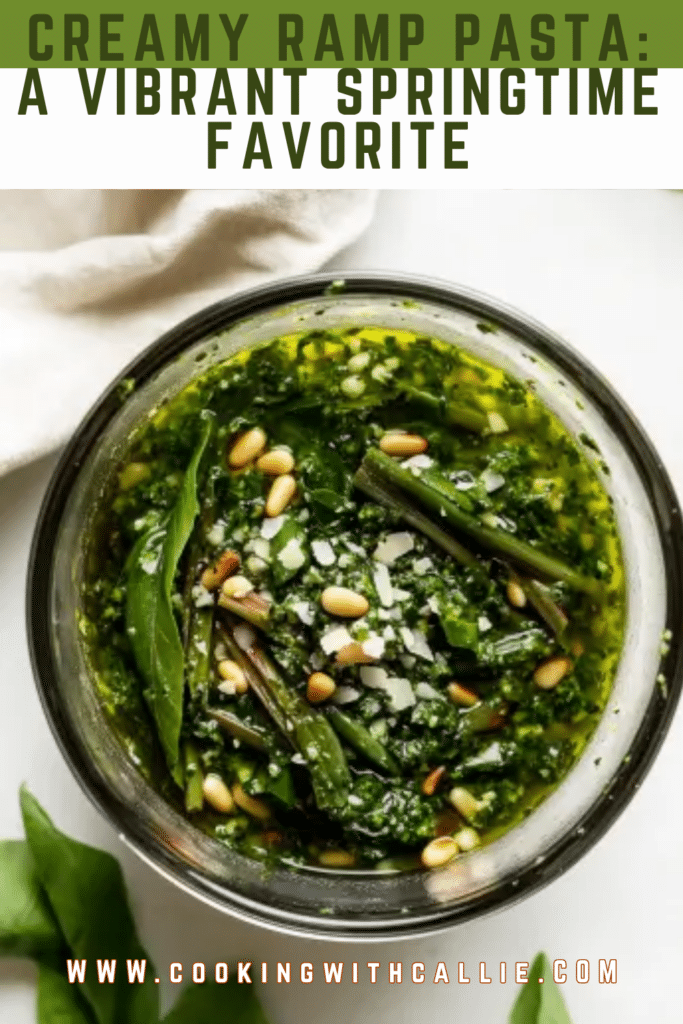
Creamy Ramp Pasta: A Vibrant Springtime Favorite

Ramp pasta is a creamy, herbaceous springtime dish made with wild ramps, basil, toasted pine nuts, and lemon. This quick 30-minute recipe is bursting with vibrant flavor and perfect for a seasonal dinner or easy entertaining.
- Prep Time: 15 minutes
- Cook Time: 15 minutes
- Total Time: 30 minutes
- Yield: 4 main course servings 1x
- Category: Main Dish
- Method: Stovetop
- Cuisine: American
- Diet: Vegetarian
Ingredients
1 pound chunky pasta like fusilli penne or rigatoni
¼ cup pine nuts
1 bunch ramps
½ cup extra virgin olive oil
1 cup packed fresh basil
½ cup grated parmesan cheese
½ teaspoon sea salt
Zest of 1 lemon
1 tablespoon freshly squeezed lemon juice
Optional grated parmesan for topping
Instructions
- Bring a large pot of salted water to a boil and cook pasta according to package directions
- Reserve ½ cup of the pasta cooking water and then drain the pasta
- Toast the pine nuts in a small pan over low heat until golden
- Trim off the root ends of the ramps then finely chop the stems and sauté them in the pan for 3 minutes
- Add the ramp leaves and cook for just 30 seconds until wilted
- Transfer the pine nuts and ramps to a food processor or blender
- Add olive oil basil parmesan sea salt lemon zest and lemon juice
- Blend for 30 seconds or until smooth scraping down the sides as needed
- In a large bowl or skillet toss the pasta with the ramp sauce and add reserved pasta water to reach desired consistency
- Serve immediately with extra parmesan on top if you like


Notes
- Use fresh ramps if possible and high-quality olive oil for the best flavor
- You can substitute pine nuts with walnuts sunflower seeds or almonds
- To make it vegan omit the parmesan or use a plant-based version
- This sauce can be made ahead and refrigerated for up to three days
- If the sauce is too thick just add more pasta water or a splash of olive oil
Nutrition
- Serving Size: 1 bowl
- Calories: 540
- Sugar: 2g
- Sodium: 516mg
- Fat: 38g
- Saturated Fat: 6g
- Unsaturated Fat: 29g
- Trans Fat: 0g
- Carbohydrates: 40g
- Fiber: 3g
- Protein: 12g
- Cholesterol: 12mg