This post may contain affiliate links. For more information, see our Affiliate Disclosure Policy.
Some recipes are in the rotation not because they’re the most exciting thing you’ve ever cooked but because they’re reliably, consistently good and they make everything else around them easier. These grilled chicken tenders with lemon herb marinade are that recipe for me. Five ingredients in a zip-lock bag, thirty minutes in the fridge, eight minutes on the grill. The result is juicy, herb-fragrant, slightly charred chicken that works over rice, in a salad, in a wrap, in a bowl – in basically any direction you point it.
The marinade is simple but each element is doing real work. The olive oil carries the herb flavors into the meat and prevents sticking on the grill. The lemon juice acts as a mild tenderizer that also adds brightness to every bite. The thyme and oregano together are the herb combination that reads as “Mediterranean and intentional” rather than just generic seasoned chicken. And because chicken tenders are already a thin, relatively small piece of meat, this marinade penetrates quickly – thirty minutes produces meaningfully more flavor than zero minutes, and overnight produces something genuinely special.
I make a big batch of these almost every Sunday. Emily eats them with rice and roasted broccoli. My husband puts them in wraps with hummus and cucumber. I slice them over greens for a quick weekday lunch. The same chicken, three different meals, and the whole week is easier for having them ready in the fridge. That’s the meal prep promise this recipe keeps every single time.
The key technique detail is the grill temperature and the resting time. Medium-high heat produces the sear and grill marks without overcooking the thin tenders. Three to five minutes of resting after cooking allows the juices to redistribute through the meat so the first cut doesn’t release everything onto the plate. Both details take no extra effort and make a real difference in how the chicken eats. For more great summer grilling recipes, my Grilled Bison Ribeye Steaks is worth exploring for a completely different but equally impressive grilled protein option.
Why You Will Like These Grilled Chicken Tenders
- The lemon herb marinade is bright and genuinely flavorful – This isn’t just “seasoned chicken.” The combination of fresh lemon juice, olive oil, thyme, and oregano creates a marinade that infuses every bite with citrusy, herbaceous flavor that makes plain grilled chicken seem boring by comparison.
- Ten minutes on the grill – Chicken tenders are thin enough that they cook in 3 to 4 minutes per side at medium-high heat. This is genuinely fast – you can have dinner on the table in 45 minutes including marinating time, or under 15 minutes if you marinated ahead.
- Made for meal prep – This is one of the most practical batch-cooking proteins on the blog. Grill a full pound on Sunday and have chicken available for four days of fast lunches and dinners in completely different formats.
- Naturally gluten-free, keto, and low-carb – The recipe just is all three of those things. No modifications, no special ingredients. Works for almost everyone at the table.
- The grill marks add genuine flavor – The Maillard reaction that creates those dark grill marks produces caramelized, slightly smoky flavor compounds that can’t be replicated in an oven or skillet. Even a grill pan achieves some of this – it’s the high heat direct contact that matters.
- Family-friendly mild flavors that please everyone – The lemon herb combination is bright and aromatic but not divisive. Kids eat it, adults love it, and it doesn’t compete with any particular sauce or side dish direction you want to go.
- Freezes for two months – Cook a double batch and freeze half in individual portions. Future-week dinners handled with zero additional work.
- Works indoor or outdoor – A grill pan on the stovetop produces genuinely good results when outdoor grilling isn’t an option. You’ll still get grill marks and a nice sear.
Grilled Chicken Tenders Ingredients
Seven ingredients. Simple, clean, and almost certainly in your kitchen right now.
- 1 pound chicken tenders
- 2 tablespoons olive oil
- 2 tablespoons fresh lemon juice (about 1 medium lemon)
- 1 teaspoon dried thyme
- 1 teaspoon dried oregano
- 1/2 teaspoon salt
- 1/4 teaspoon black pepper
Ingredient Notes and Shopping Tips
Chicken tenders vs. sliced chicken breast: Chicken tenders are the pectoralis minor muscle attached to the underside of the chicken breast – they’re naturally a small, elongated, thin strip of very tender, lean meat. They’re sold attached to whole chicken breasts or separately, pre-cut. Either works for this recipe. If you buy whole chicken breasts and slice them yourself into strips of similar size (about half an inch thick), the recipe works identically – just be consistent with the thickness so everything cooks at the same rate. The tendon that runs through purchased chicken tenders (the white, slightly chewy cord you can sometimes feel) can be left in or removed: grip the exposed end with a paper towel and pull firmly while running a fork along the tendon to strip it out cleanly.
Fresh lemon juice is worth the squeeze: Bottled lemon juice is pasteurized and lacks the volatile aromatic compounds that give fresh lemon juice its bright, almost floral quality. In a marinade with only seven ingredients where lemon is one of the primary flavor notes, the quality of the lemon matters. One medium lemon squeezed produces roughly two tablespoons of juice. Roll the lemon on the counter with firm pressure before cutting – this breaks down the internal membranes and produces more juice. Freshly squeezed lemon juice can be made ahead and refrigerated for up to a week.
Dried thyme and oregano – the right herb combination: Thyme has a slightly earthy, almost floral quality that pairs naturally with lemon and olive oil. Oregano has a more assertive, slightly peppery Mediterranean character. Together they create a classic herb profile that reads as intentional and specifically Mediterranean rather than generic “seasoning.” If you have fresh herbs available, use three teaspoons of fresh thyme leaves and three teaspoons of fresh oregano in place of the dried – fresh herbs have a more vibrant, alive quality in a quick marinade like this.
Olive oil – why it matters in a marinade: The olive oil in this marinade does more than just add flavor. It creates a coating on the surface of the chicken that helps the dry herb particles adhere rather than falling off. It also helps prevent the chicken from sticking to the grill grates. And it carries the fat-soluble flavor compounds from the thyme and oregano into the surface of the meat during marinating. Use a good-quality extra-virgin olive oil for the best result – the flavor is part of the marinade’s character.
Substitutions That Work
- Chicken breasts or thighs: Slice breasts into thin strips of similar size. Thighs take slightly longer on the grill due to more fat content but produce a more juicy, forgiving result
- White wine vinegar instead of lemon juice: Adds acidity with a slightly different, slightly more sharp character – works well, just less bright and citrusy than lemon
- Italian seasoning instead of separate thyme and oregano: A convenient one-measure substitute that produces a very similar result
- Add garlic: One clove of minced garlic or half a teaspoon of garlic powder added to the marinade adds a savory depth that makes the chicken taste more complex
- Add Dijon mustard: A teaspoon of Dijon mustard whisked into the marinade adds a tangy, slightly sharp quality that helps the marinade cling to the chicken and adds another flavor dimension
- Different protein: The same marinade works very well with turkey cutlets, large shrimp (marinate for only 15 minutes), or firm tofu

How To Make Grilled Chicken Tenders with Lemon Herb Marinade
The process is genuinely simple. The attention goes to the marinade time, the grill temperature, and the resting period after cooking.
Making the Marinade and Marinating
Combine the olive oil, fresh lemon juice, dried thyme, dried oregano, salt, and black pepper in a zip-lock bag or a shallow dish with a lid. Whisk briefly or squeeze the bag to combine. Add the chicken tenders. Seal the bag and shake or turn to coat every piece of chicken completely in the marinade. Refrigerate for at least 30 minutes.
The marinating window is 30 minutes to 8 hours. Thirty minutes is the minimum for meaningful flavor penetration – the lemon juice begins to work on the surface of the chicken almost immediately, and the herbs need at least this long to bloom and release their aromatic compounds into the olive oil. Overnight is fine (the longer marinade time is gentle enough that it won’t turn the chicken mushy the way a high-acid marinade can) and produces more deeply flavored chicken. For a workday meal prep setup, combine and refrigerate in the morning before leaving for work – the chicken will be perfectly marinated and ready to grill the moment you get home.
Callie’s Kitchen Note: I started making the marinade in a zip-lock bag rather than a bowl specifically for two reasons: less cleanup and better coverage. In a bag, the marinade coats every surface of every piece of chicken with no extra work – just shake. In a bowl you have to turn and reposition to get even coverage. The bag goes straight into the fridge, and cleanup is just throwing the bag away. This small change made me more likely to actually marinate ahead of time rather than throwing the chicken on the grill without marinating at all.
Getting the Grill Right
Preheat your outdoor grill or indoor grill pan to medium-high heat. This preheating step is important and takes about 5 to 10 minutes for an outdoor grill and about 3 minutes for a grill pan on the stovetop. A properly preheated grill immediately sears the surface of the chicken when it makes contact, creating the grill marks and caramelization that are half the point of grilling rather than baking. A grill that isn’t hot enough produces pale, steamed chicken that sticks to the grates.
Once preheated, lightly oil the grill grates with a folded paper towel dipped in vegetable oil and held with tongs – rub it over the hot grates quickly. This prevents sticking without adding significant oil or flavor to the chicken. For a grill pan, drizzle a tiny amount of oil directly on the pan surface and let it heat until it shimmers.
Grilling the Chicken – Timing and Technique
Remove the chicken tenders from the marinade and let the excess drip off briefly before placing on the grill – too much marinade on the surface can cause flare-ups on an outdoor grill. Arrange the tenders on the hot grill grates with space between each piece so the heat can circulate properly. Don’t move them immediately.
Let the chicken cook undisturbed for 3 to 4 minutes. When grill marks have developed and the edges of the tenders look opaque and slightly white (the heat is cooking from the outside in), flip each piece once. Cook for another 3 to 4 minutes on the second side. The chicken is done when it’s opaque throughout and an instant-read thermometer inserted into the thickest piece reads 165 degrees F. Chicken tenders are thin enough that visual cues are fairly reliable, but a thermometer removes all guesswork for food safety.
Callie’s Kitchen Note: The most common mistake with chicken tenders on the grill is overcooking. They’re small and thin and go from perfectly done to dry and chewy in about 90 extra seconds. I start checking at the 3-minute mark on the second side rather than waiting the full 4. Once I see the edges of the thickest piece look completely opaque and the thermometer reads 165 degrees F, I pull everything off the grill. They’ll continue cooking slightly from residual heat during the rest period, which is another reason to pull at 165 rather than waiting for something higher.
Why the Resting Period Matters
Transfer the grilled chicken to a clean plate or cutting board and rest for 3 to 5 minutes before cutting or serving. This is the step that seems unnecessary but genuinely isn’t. When meat is removed from high heat, the muscle fibers are contracted and the juices are concentrated in the center of the meat. Cutting immediately forces all those juices out onto the cutting board rather than redistributing through the meat. Resting for even 3 minutes allows the fibers to relax and the juices to redistribute, producing a noticeably juicier result than chicken cut the moment it comes off the grill.
Speed Hacks for Fast Weeknight Grilling
- Combine the marinade and add the chicken before leaving for work in the morning – all-day marinating produces the most flavorful result and the evening cook is 15 minutes total
- Pre-cut chicken breasts into tender-sized strips on Sunday for the whole week – store in individual portions in the fridge and marinate each batch the morning of
- Make a double batch of the marinade and refrigerate in a jar for up to one week – ready to use with no measuring required
- Start grilling while other sides cook so everything finishes at the same time
- Use a meat thermometer so there’s no guesswork about doneness and you can pull the chicken at the exact right moment
Common Mistakes To Avoid
Grilled chicken tenders are quick and forgiving but a few specific habits consistently affect the result.
Skipping or shortening the marinade time. Unmarinated chicken tenders on the grill produce something that tastes fine but not particularly interesting – you end up tasting the char and the seasoning you happened to shake on at the last minute rather than a deliberately flavored piece of chicken. Thirty minutes minimum. The flavor difference between zero marinade and 30-minute marinade is significant. Overnight is even better.
Not preheating the grill. A cold or under-preheated grill causes the chicken to stick to the grates and doesn’t develop the sear and caramelization that make grilled chicken taste like grilled chicken rather than just cooked chicken. Wait until the grill has been running at medium-high for 5 to 10 minutes before adding any food.
Overcooking. Chicken tenders are thin and cook very fast. Three to four minutes per side at medium-high is the right timing and the chicken goes from perfectly done to dry and slightly rubbery in under a minute of additional cooking. Start checking at 3 minutes per side and use a thermometer – 165 degrees F is the safe internal temperature and exactly where you want to pull the chicken.
Moving the chicken too soon after placing it on the grill. Let the chicken sit undisturbed for the full first 3 minutes. Moving it before grill marks have formed means the surface sticks to the grates rather than releasing cleanly. When the chicken is properly seared, it will release from the grates naturally when you go to flip it. If it’s sticking, it’s not ready to flip yet.
Crowding the grill. Tenders placed too close together trap steam between them rather than getting the full heat of the grill on all exposed surfaces. Leave at least an inch between each tender for even cooking and proper searing.
Storage And Reheating
Leftover grilled chicken tenders are one of the most useful things to have in the fridge. They reheat quickly and work in multiple formats.
Fridge: Store in an airtight container for up to 4 days. The lemon herb flavors actually deepen slightly as the chicken sits – day-two chicken often tastes more developed than day-one.
Freezer: Cool completely, then store in individual portions in zip-lock freezer bags for up to 2 months. Press out as much air as possible before sealing. Thaw overnight in the refrigerator before reheating.
Reheating Without Drying Out
- Air fryer (best for texture): Reheat at 370 degrees F for 3 to 4 minutes. The circulating hot air warms the chicken through without drying it and restores some of the original seared exterior quality. This is the best reheating method for chicken you want to eat as-is rather than mixed into a dish.
- Microwave (fastest): Place the chicken in a microwave-safe dish, cover with a damp paper towel, and heat in 30-second intervals at 70% power. The damp towel prevents the surface from drying out during reheating. Usually takes 60 to 90 seconds for a single portion.
- Oven: Place on a foil-lined baking sheet and reheat at 350 degrees F for 8 to 10 minutes. Cover loosely with foil for the first 6 minutes to retain moisture, then uncover for the final 2 to 3 minutes if you want to restore some surface texture.
- Cold – genuinely an option: These chicken tenders taste very good cold over a salad or in a wrap. The lemon herb marinade flavors are actually quite bright and pleasant when the chicken is cold, making this one of the better proteins for a cold lunch application.
Meal Prep Strategy
Grill a full pound on Sunday (or double it for a 2-pound batch) and store in individual portions in the fridge. Pre-slice half the batch and store as strips for salad and wrap applications. Keep the other half whole for bowl meals and plates. This way the chicken is immediately usable in multiple formats without any additional cutting throughout the week.
Grilled Chicken Tender Variations
The lemon herb base is mild enough to take significant flavor variation without losing its identity.
Garlic and Herb Version: Add 2 cloves of minced garlic (or 1 teaspoon of garlic powder) to the marinade. The garlic adds a savory depth that makes the chicken taste more complex and assertive. This is my most-made variation and the one I’d call the “full” version of this recipe. It pairs beautifully with pasta, over which the chicken juices contribute to a light sauce.
Dijon and Herb Version: Whisk 1 teaspoon of Dijon mustard into the marinade. The mustard adds a tangy, slightly sharp quality that makes the marinade cling to the chicken better and adds another flavor dimension. Serve this version over a French-inspired salad with shallot vinaigrette and sliced radish.
Mediterranean Spice Version: Replace the dried thyme and oregano with a teaspoon of za’atar and a quarter teaspoon of cumin. Za’atar adds a sesame-herb-sumac quality that is deeply Mediterranean and pairs beautifully with lemon and olive oil. Serve over a grain bowl with hummus, cucumber, and pickled onions.
Spicy Lemon Version: Add a quarter teaspoon of red pepper flakes and a pinch of cayenne to the marinade. The heat builds subtly alongside the lemon and herb flavors. Serve with a cooling tzatziki or yogurt dip for contrast.
Italian Lemon Version: Replace the separate thyme and oregano with a full teaspoon of Italian seasoning and add a tablespoon of balsamic vinegar alongside the lemon juice. The balsamic adds a slightly sweet, complex acidity that takes the marinade in a more Italian direction. Particularly good served over pasta or with a tomato-based sauce.
BBQ Lemon Hybrid: Replace one tablespoon of the olive oil with a tablespoon of your favorite BBQ sauce. The BBQ sauce adds sweetness, smoke, and complexity to the lemon herb marinade while keeping the bright lemon quality alive. A particularly good summer grilling variation.
Skewer Version: Thread the marinated chicken tenders onto metal or soaked wooden skewers before grilling. The skewers make flipping easier and make a beautiful party presentation. Alternate with pieces of bell pepper, red onion, and zucchini for a full shish kebab application with the same marinade.
Serving Suggestions
These grilled chicken tenders are one of the most versatile proteins in your weekly cooking arsenal. Here’s how to build complete meals around them.
Over a grain bowl: Serve the chicken over a base of steamed quinoa or brown rice with roasted vegetables of your choice, sliced avocado, and a drizzle of tahini or a simple lemon vinaigrette. This bowl format is my most-made weekday lunch application and it takes about 3 minutes to assemble from prepped components.
In a Greek-style salad: Slice the chicken and lay over a salad of romaine, cherry tomatoes, cucumber, Kalamata olives, and crumbled feta with a simple lemon-olive oil dressing. The lemon herb flavors in the chicken complement every element of a classic Greek salad perfectly. This is the version I make for Emily when she needs something filling and fresh for lunch.
In a wrap: Tuck sliced chicken into a large flour or whole-grain wrap with hummus, shredded romaine, sliced cucumber, and a few drops of hot sauce. The hummus acts as a spread and sauce simultaneously and the combination is deeply satisfying as a portable lunch.
As a simple dinner plate: Serve whole tenders alongside herbed rice and grilled or roasted asparagus with lemon wedges for squeezing. The simplest possible complete dinner that comes together in 20 minutes with pre-marinated chicken. Sprinkle fresh parsley over everything before serving for a restaurant-quality presentation.
Party presentation: Arrange the whole tenders on a wooden platter with a small bowl of tzatziki or hummus for dipping, scattered fresh parsley, and lemon wedges around the edge. Thread smaller pieces on short skewers for easy handling at a cocktail party. This presentation disappears fast.
Beverage pairings: A chilled Sauvignon Blanc is the ideal partner for lemon herb chicken – its citrus and grassy, mineral notes mirror the flavors in the marinade perfectly. Pinot Grigio is equally good. For beer, a crisp wheat ale or pilsner complements the light, bright flavors without competing. For non-alcoholic, sparkling water with fresh lemon and mint is genuinely refreshing alongside this dish.

Grilled Chicken Tenders FAQ
Thirty minutes is the minimum for meaningful flavor development – the lemon juice begins tenderizing and the herbs bloom and release their aromatics into the olive oil in this time. The ideal window is 2 to 8 hours in the refrigerator. Overnight (up to 12 hours) is excellent for the deepest flavor penetration. Beyond 12 hours, the lemon juice can start to “cook” the surface of the chicken (similar to ceviche) and produce a slightly soft, almost mushy exterior texture. If you accidentally left it too long, it’s still safe to eat but the texture may not be ideal.
Yes. Preheat the oven to 425 degrees F. Place the marinated chicken on a lightly greased or foil-lined baking sheet with space between each piece. Bake for 12 to 15 minutes until cooked through to 165 degrees F internally. The oven won’t produce the grill marks or the char-touched flavor that direct heat grilling provides, but the chicken will be well-seasoned, juicy, and very good. For slightly more browning, broil on high for the last 2 to 3 minutes – watch closely as broiling is fast.
The most reliable method is a meat thermometer – 165 degrees F internal temperature is the USDA-recommended safe endpoint for chicken. Insert the thermometer into the thickest part of the thickest piece. Visually, fully cooked chicken tenders will be opaque white-pink throughout with no translucent or glossy sections when you press or cut the thickest piece. The juices should run clear rather than pink when the chicken is pressed. For thin tenders, 3 to 4 minutes per side at medium-high heat is the reliable timing, but pieces vary in thickness and a thermometer confirms doneness accurately.
Two most likely causes: the grill wasn’t preheated long enough, or the chicken was flipped before the sear had fully formed. A properly preheated grill at medium-high heat will sear the chicken surface quickly and allow it to release cleanly when it’s ready to flip. If the chicken resists when you try to flip it, it’s not ready – wait another 30 to 60 seconds. The chicken will release naturally from the grates once the sear has formed. Also ensure the grates are lightly oiled before adding the chicken, particularly if using a grill that hasn’t been cleaned recently.
Yes. For a party or gathering, grill the chicken up to 4 hours ahead, let it rest, and store at room temperature if serving within 2 hours or in the fridge if serving later. Reheat in a 300 degree F oven for 8 minutes or in the air fryer at 370 degrees F for 3 minutes just before serving. You can also serve them at room temperature on a platter – grilled chicken that has had 20 to 30 minutes of resting at room temperature is often actually more evenly flavored than freshly hot chicken, as the juices have had time to fully redistribute.
Yes, and batch cooking this recipe is one of its greatest strengths. The marinade scales directly – double or triple all ingredients and marinate everything together in a large zip-lock bag or a container. The grilling requires working in batches to avoid crowding the grill, but each batch takes the same 8 minutes. For a 2-pound batch, plan for about 20 minutes of active grill time cooking in two rounds. The refrigerator storage and freezer storage instructions remain the same – store in individual portions for easiest future use.
Recipes You May Like
If these grilled chicken tenders have become your weeknight protein staple, here are three more quick, flavorful chicken recipes worth adding to the lineup:
- Healthy Stuffed Chicken Breast – When you want something a little more impressive from chicken without much more effort. Stuffed with a flavorful filling and baked to juicy perfection – a great companion recipe for when you want something more substantial.
- High-Protein Teriyaki Chicken Meal Prep – Another excellent meal prep chicken in a completely different sweet-savory Asian-inspired direction. If you love the practicality of these tenders for weekly prep, the teriyaki chicken version is the next one to try.
- Lighter California Chicken Salad – A great use for leftover grilled chicken tenders. Shred or chop the leftover chicken and fold into this creamy, grape-and-walnut salad for a completely different application from the same prep work.
Conclusion
These grilled chicken tenders with lemon herb marinade are the recipe I reach for when I want dinner to be fast, good, and genuinely useful for the rest of the week. The marinade takes two minutes to make. The grill does its work in eight minutes. The chicken is flexible enough to serve in a dozen different ways and keeps for four days in the fridge or two months in the freezer.
Preheat the grill. Don’t rush the marinade time. Don’t overcook the chicken. Rest before cutting. Those four things produce a grilled chicken tender that’s genuinely juicy, herb-fragrant, and slightly char-kissed in all the right ways. Come back and tell me in the comments how you served yours and whether you added garlic to the marinade. And save this on Pinterest for every future Sunday when you want the week’s protein handled in under fifteen minutes of active work.
Happy cooking, friends!
Callie


Easy Grilled Chicken Tenders with Lemon Herb Marinade

Quick, juicy, and packed with flavor, these easy grilled chicken tenders are marinated in a lemon-herb blend and grilled to perfection in just 10 minutes. A go-to weeknight dinner or meal prep favorite that’s light, healthy, and crowd-pleasing.
- Prep Time: 35 minutes
- Cook Time: 10 minutes
- Total Time: 45 minutes
- Yield: 4 servings 1x
- Category: Main Course
- Method: Grilling
- Cuisine: American, Mediterranean-inspired
- Diet: Gluten Free
Ingredients
1 pound chicken tenders
2 tablespoons olive oil
2 tablespoons lemon juice
1 teaspoon dried thyme
1 teaspoon dried oregano
½ teaspoon salt
¼ teaspoon ground black pepper
Instructions
-
In a Ziploc bag or bowl, whisk together olive oil, lemon juice, thyme, oregano, salt, and pepper.
-
Add the chicken tenders, seal the bag, and shake or mix well to coat.
-
Refrigerate and marinate for at least 30 minutes, or up to 8 hours for best flavor.
-
Preheat grill or grill pan to medium-high heat.
-
Remove chicken from the marinade and place directly on the grill.
-
Grill for 3–4 minutes on each side or until internal temp reaches 165°F.
-
Let rest for 3–5 minutes before serving. Enjoy!
Equipment
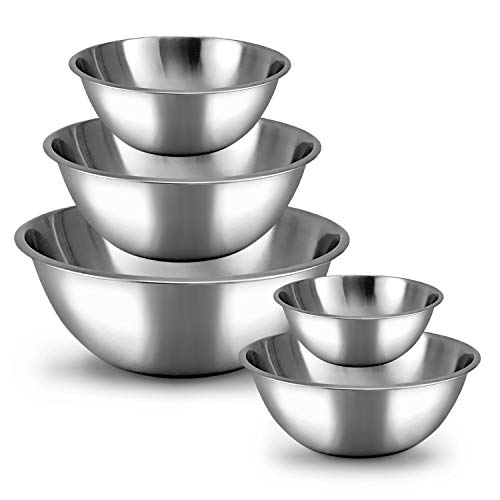 Buy Now →
Notes
-
Use freshly squeezed lemon juice for the brightest flavor.
-
Chicken breasts or thighs can be used instead of tenders—just slice into strips.
-
This recipe is fantastic for meal prep—store leftovers in the fridge for up to 4 days.
-
A meat thermometer is your best friend here to avoid overcooking.
Nutrition
- Serving Size: Approx. 4 oz
- Calories: 210
- Sugar: 0g
- Sodium: 330mg
- Fat: 11g
- Saturated Fat: 2g
- Unsaturated Fat: 8g
- Trans Fat: 0g
- Carbohydrates: 1g
- Fiber: 0g
- Protein: 26g
- Cholesterol: 80mg