
This post may contain affiliate links. For more information, see our Affiliate Disclosure Policy.
By Callie
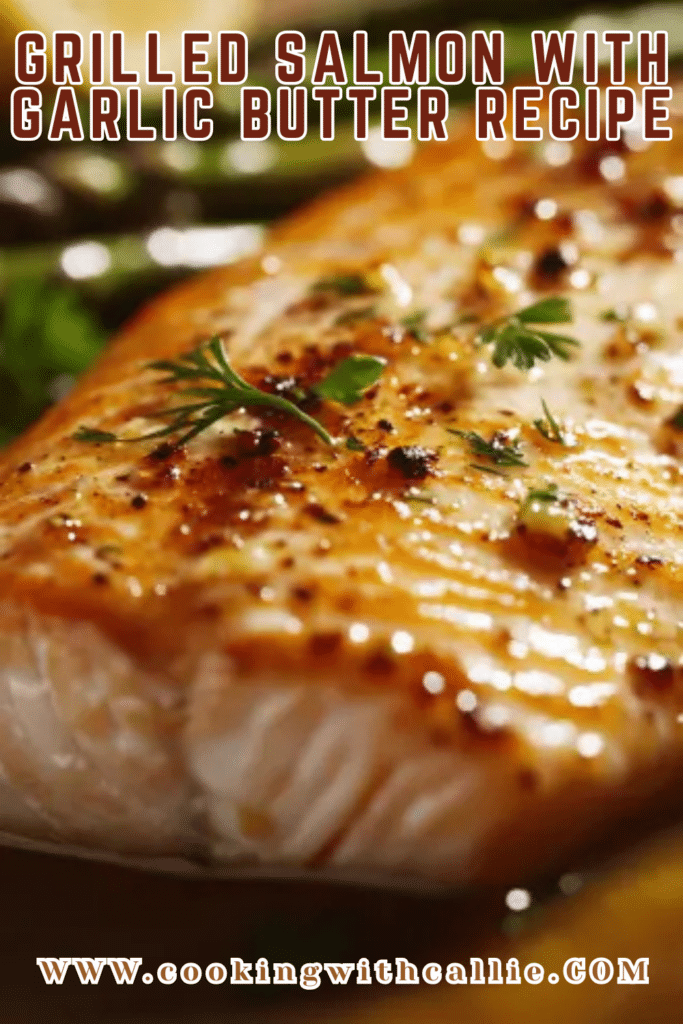
Grilling salmon is one of those cooking moments where everything about the setup fights against you until you understand one rule, and then it becomes completely reliable: don’t flip the salmon until it releases from the grill on its own. That rule contains everything important about grilled salmon with garlic butter. Salmon that is moved before the proteins on its contact surface have fully cooked and released their bond with the grill grate tears, sticks, and produces the ragged, frustrating results that give grilled salmon a difficult reputation. Salmon that is left undisturbed until the grill releases it naturally – which takes exactly as long as it takes, and no sooner – lifts cleanly in one piece, with the beautiful grill marks and the intact presentation that makes outdoor grilled salmon specifically worth the effort.
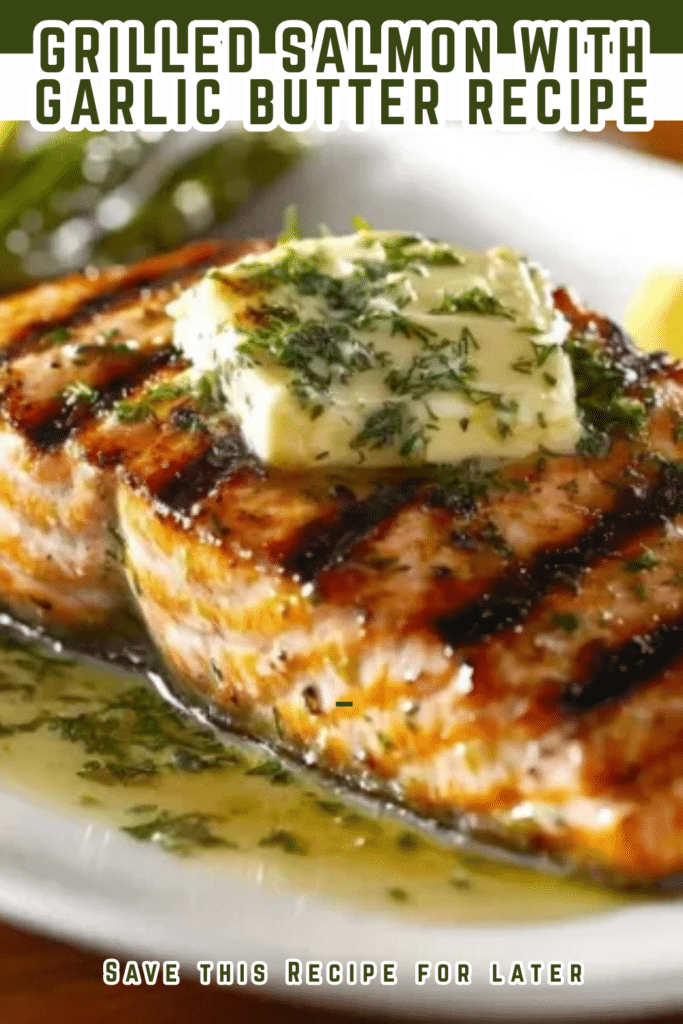
The garlic herb butter in this recipe is the element that makes the grilled salmon specifically excellent rather than just properly cooked. Softened butter mixed with minced garlic, fresh parsley, and fresh dill – applied generously before the salmon goes on the grill and then again as a finishing teaspoon melted over the hot fish just before serving. The pre-grill application bastes the salmon as it cooks. The finishing application provides the fresh, bright, specifically herbal note that the heat of grilling would have driven off from the first application. Both applications are needed; neither alone produces the full effect.
This is the summer salmon recipe – specifically designed for the outdoor grill, for backyard dinners, and for the season when fresh wild salmon is at its best and the grill is already hot for everything else on the menu. My husband considers grilled salmon one of the meals most worth making in summer because the combination of outdoor smoke and the garlic butter produces a specifically different character than anything achievable indoors. For the indoor winter version that uses the same salmon with a completely different cooking method and flavor profile, the Seared Salmon With Lemon-Dill Sauce provides the pan-seared companion recipe – crispy skin, cold cream sauce, specifically excellent for any season the grill isn’t accessible.
Speed Hacks – Grilled Salmon On The Table In 30 Minutes:
- Make the garlic herb butter up to a week ahead and refrigerate – it firms beautifully and can be sliced straight from the refrigerator as compound butter if you prefer a more elegant presentation
- Bring the salmon out of the refrigerator 15 minutes before grilling while the grill preheats – room-temperature salmon grills more evenly than cold salmon
- Pat completely dry while the grill heats – the drying and grill-preheating run parallel, saving the combined time to just the longer of the two tasks
- The garlic herb butter is mixed in one bowl with a fork – no equipment beyond a bowl, a fork, and a cutting board for the herbs
- Side dishes that can cook on the grill simultaneously (corn, asparagus, zucchini) eliminate stove use and produce a complete meal from one outdoor cooking session
Why You Will Love This Grilled Salmon With Garlic Butter
- Grilling produces a salmon character that indoor cooking genuinely cannot replicate. The outdoor grill’s high radiant heat, the smoke from fat dripping onto the coals or burners, and the specific char marks from the grill grate produce a salmon that tastes specifically of summer grilling – slightly smoky, with a more aggressive exterior crust than any pan allows, and a simultaneously smoky-and-buttery aromatic that is the defining character of grilled salmon. A skillet-seared salmon is excellent; it just tastes different from this, and neither is better than the other. They’re different preparations from the same ingredient, appropriate for different seasons and different occasions.
- The compound garlic herb butter works in two applications for two different purposes. The pre-grill application: butter applied to the salmon surface before grilling melts into the fish during the early minutes of cooking, basting the flesh with garlic and herb flavor as it heats. It also reduces initial sticking between the butter-coated salmon and the grill grate. The finishing application: a teaspoon of the reserved (un-cooked) butter placed on the hot salmon immediately before serving provides the fresh, bright, herb-forward note that the grill’s heat would have driven from the first application’s volatile aromatic compounds. Pre-grill = richness and depth. Finishing = freshness and brightness. Both applications together produce the full flavor profile.
- Skin-on salmon is specifically required for outdoor grilling. The skin acts as a structural buffer between the delicate flesh and the grill grate – it holds the fillet together during the cook and during the flip, and it can be removed after cooking by guests who don’t want to eat it. Skinless salmon fillets on a grill are significantly more fragile, more likely to stick and tear at the flip, and produce a less visually intact presentation than skin-on fillets. For any grill preparation: skin-on. The skin’s job is to be sacrificed in service of the flesh above it.
- The skin-UP start (flesh-side-down first) is the counterintuitive technique that produces better grill marks and better flavor. Most grilled salmon recipes start skin-side-down. This recipe starts flesh-side-up (skin-side-down), which places the salmon’s flesh in direct contact with the hot grill first. The flesh sears and develops grill marks in the first 3-4 minutes. The flip then places the skin against the hot grill for the remaining 4-6 minutes, where it crisps and chars slightly. The flesh-first approach is actually the more standard approach – the flesh-side grill marks are visible when the salmon is plated skin-side-down, creating the beautiful presentation that makes a platter of grilled salmon specifically good-looking.
- Wild-caught salmon is the quality decision that determines the character of the finished dish. Wild salmon’s varied, active-life diet produces deeper, more complex flavor and firmer flesh than farmed salmon. For grilling specifically, where the cooking process is relatively simple and the salmon’s own flavor is the star: the quality of the fish matters more than in preparations with complex sauces that might mask a less-flavorful fish. King salmon (the richest, most complex), sockeye (distinctly flavored, deep red, a beautiful presentation), and coho (slightly milder than sockeye, widely available) are all specifically worth seeking for this recipe.
- The recipe produces a genuinely complete garlic herb compound butter with applications well beyond this single recipe. Any leftover garlic herb butter can be stored in the refrigerator for a week or shaped into a log, wrapped in plastic wrap, and frozen for months. Use it on grilled steak, spread on garlic bread, melted over steamed vegetables, dolloped on corn on the cob, or mixed into mashed potatoes. A batch of this butter is a weekly cooking utility that pays dividends across multiple meals beyond the salmon preparation that prompted making it.
Grilled Salmon With Garlic Butter Ingredients
Garlic Herb Butter
- 6 tablespoons (85g) salted butter, softened to room temperature – remove from refrigerator 30-45 minutes before use
- 2 garlic cloves, very finely minced or microplaned to a paste
- 2 tablespoons fresh flat-leaf parsley, finely minced
- 1 tablespoon fresh dill, finely minced
Salmon
- 2 lbs (900g) salmon fillets, skin-on – wild-caught preferred; cut into 4-5 individual portions if buying a whole side
- Salt to taste
- Lemon wedges for serving
Ingredient Notes And Substitutions
The salted butter vs unsalted distinction for compound butter: Compound butter (butter mixed with herbs, garlic, or other flavorings) traditionally uses unsalted butter because unsalted gives you complete control over the final salt level. However, salted butter in this recipe works excellently – the salt in the butter pre-seasons the salmon’s surface during the pre-grill application, which is a useful outcome. If using unsalted butter: add a generous pinch of salt to the herb mixture to compensate. Either approach produces excellent butter; the choice comes down to what’s in your refrigerator and your preference for seasoning control.
Fresh herbs vs dried in compound butter: Fresh parsley and fresh dill are specifically required in this recipe rather than dried. Compound butter is an uncooked preparation – the herbs are folded into room-temperature butter without heat. Dried herbs in uncooked applications have a dusty, slightly medicinal flavor that is specifically unpleasant in compound butter. Fresh herbs retain their aromatic compounds fully and produce a bright, vibrant butter. If fresh dill is unavailable: fresh chives (similar in their fresh, mild, slightly oniony character) or fresh tarragon (slightly anise-forward, specifically excellent with fish) are the best substitutes. Dried dill is specifically not a good substitute in this application.
Garlic preparation for compound butter: The garlic must be very finely minced – smaller than you’d typically mince for a cooked application. In a cooked preparation, larger pieces of garlic have time to soften and become less sharp during cooking. In compound butter, the garlic is raw and its sharpness is fully present. Large pieces of raw garlic in butter are too sharp and too detectable. Very fine mince (or microplane-grated garlic, which produces a paste with no detectable piece size) distributes evenly through the butter and provides garlic flavor at a level that is aromatic and present without being sharp or overpowering.
Callie’s Kitchen Note: My husband’s “summer grilling” association with this recipe is specifically tied to the first time we made it for a backyard dinner party with the whole side of wild king salmon from the farmers market. The salmon was larger than anything we’d grilled before (about 4 lbs), and I was genuinely uncertain whether it would cook evenly. It did – the key was the same rule that applies to any size: leave it alone until it releases. The whole side, skin-side-down for the second half of the cook, released cleanly when it was ready, and we transferred it to the platter using two wide spatulas working together as a team. Emily appointed herself in charge of the finishing butter, dropping it over the hot fish at exactly the right moment (her decision, not mine; she was 12 and had opinions about garnish timing). The whole side of salmon on a platter surrounded by lemon and herbs is the specific visual that I think of when I think of summer dinner parties. It’s worth knowing how to do it.

How To Make Grilled Salmon With Garlic Butter
1- Make The Garlic Herb Butter
Remove the butter from the refrigerator and allow to soften at room temperature for 30-45 minutes – it should feel soft and yielding when pressed but not melted or greasy-looking. Alternatively: cut the butter into small pieces and allow them to soften for 20 minutes, which is faster than softening a solid stick.
While the butter softens: mince the garlic very finely or grate on a microplane. Mince the fresh parsley and fresh dill. In a mixing bowl, combine the softened butter, minced garlic, parsley, and dill. Mix thoroughly with a fork, pressing and folding until all the herb and garlic are evenly distributed throughout the butter – no visible streaks of un-mixed butter remaining, and the herbs visible throughout the whole mass. The finished butter should look slightly green-flecked with visible dill and parsley throughout. Taste a small amount: it should taste of fresh herbs, mild garlic, and butter, with no single element dominating.
2- Preheat The Grill And Prepare The Salmon
Preheat the grill to medium heat (approximately 375-400 degrees F at the grate). For a gas grill: medium burner setting for 10-15 minutes. For a charcoal grill: allow coals to burn until covered with gray ash, then position to create a medium-heat zone. Clean the grill grates thoroughly with a wire brush, then oil the grates with a folded paper towel dipped in vegetable oil held with tongs – oiled grates reduce sticking significantly for any fish preparation.
Pat the salmon fillets completely dry with paper towels on all surfaces including the skin side. Season with salt on all surfaces. Apply the garlic herb butter generously to all surfaces of the salmon except the skin – the butter on the flesh side and edges will baste the salmon as it cooks and provide the garlic-herb flavor. Reserve approximately 1 tablespoon of the butter for the finishing application. The butter should coat the salmon visibly.
3- Grill Skin-Side Down, Then Flip Once
Place the salmon fillets skin-side-down on the preheated, oiled grill. Close the grill lid. Grill for 4-6 minutes – the timing depends on the thickness of the fillets. During this phase: don’t open the lid to check on the salmon unless smoke is excessive. The closed lid maintains consistent temperature around the salmon, and opening interrupts the even cooking environment. The skin-down start allows the skin to char and crisp against the grill while the heat penetrates up through the flesh from below.
Why The Natural Release Before Flipping Is The Only Rule That Matters
Salmon flesh bonds to hot metal surfaces through the same protein-coagulation mechanism that causes all proteins to stick initially when they contact a hot pan or grill. As the proteins on the contact surface fully coagulate and form a complete, cooked surface layer, they release their bond with the metal. This release is natural and happens at the correct point in the cook. Attempting to flip before this release tears the cooked surface from the underlying flesh, shredding the fillet at the grill surface. The fish will tell you when it’s ready to flip – slide a thin fish spatula or a thin metal spatula under the fillet’s edge at the 4-minute mark. If it slides under easily with no resistance: the fillet is ready to flip. If it meets resistance: 1 more minute, then test again. Never force the flip.
4- Flip And Finish
Using a thin fish spatula (or two thin spatulas for large fillets), carefully flip each fillet to flesh-side-down. Close the lid. Cook flesh-side-down for 3-4 minutes more – less time than the skin-down first phase because the flesh is already partially cooked from the heat that penetrated during the skin-down phase. Check doneness: the salmon is done when the internal temperature at the thickest point reaches 145 degrees F (63 degrees C) for fully cooked, or 130-135 degrees F (54-57 degrees C) for medium. For the most common preference: remove at 142 degrees F and allow carryover heat to bring it to 145 degrees F during the 2-3 minute rest before serving.
Transfer the salmon to a serving platter. Immediately place a small teaspoon of the reserved garlic herb butter on each hot fillet and allow it to melt over the surface. The butter melts from the fish’s residual heat rather than from the grill’s heat, which preserves the fresh herb aromatics that the grill would have driven off. Serve immediately with lemon wedges.
Callie’s Kitchen Note: The two-spatula technique for transferring large salmon fillets (or a whole side of salmon) from grill to platter is the approach I wish someone had told me earlier. A single thin spatula can slide under half of a large fillet, but the unsupported other half droops and may break at the point of the spatula‘s edge. Two spatulas working together – one slid under the head end and one under the tail end of the fillet simultaneously – lift the entire piece as a supported, unified unit that transfers without breaking. For smaller individual fillets: a single fish spatula handles them easily. For anything larger than a 10-oz portion: use two. The visual integrity of a whole plattered fillet is worth the second spatula.
Common Mistakes To Avoid
Flipping Too Early
The most common mistake, already addressed extensively. The test is simple: slide a spatula under the edge at 4 minutes. Natural release = ready. Resistance = not ready. Wait. This is the rule. Everything else in the recipe is flexible; this is not.
Grill Temperature Too High
A grill running at high heat (450 degrees F and above at the grate) produces an aggressively charred exterior before the interior has time to cook – the outer 1/4 inch is overcooked and dark while the center is still raw. Medium heat (375-400 degrees F) produces even cooking from the surface inward, with controlled browning and a fully cooked interior. If you can hold your hand 6 inches above the grate for 4-5 seconds before pulling away: medium heat. If you can hold it only 2-3 seconds: it’s too hot, reduce the burners or move to a cooler grill zone.
Not Oiling The Grill Grates
Even with a butter-coated salmon, un-oiled grill grates significantly increase the sticking risk. The oiling step takes 30 seconds: fold a paper towel into a small square, dip in vegetable oil, hold with tongs, and wipe the grates quickly several times. The oil creates a thin barrier between the salmon and the metal that, combined with the natural release mechanism, produces consistent non-stick performance. Don’t skip this step.
Overcooking The Salmon
Salmon at 145 degrees F is fully cooked by FDA standards but is noticeably drier and slightly flakier than salmon at 130-135 degrees F (medium). The FDA guidance is the safe minimum; the flavor-optimal range is lower. For maximum moisture and flavor: target 130-135 degrees F and allow 2-3 minutes of resting. For those who prefer fully cooked salmon: 145 degrees F is the target, and removing at 142 degrees F (then resting) achieves this through carryover heating.
Applying All The Butter Before Grilling
Applying all the butter before grilling means all of it gets cooked, and the volatile aromatic compounds from the fresh herbs are driven off during the 8-10 minute grill time. Reserving 1 tablespoon for the finishing application means those fresh herb aromatics are preserved and applied to the hot fish immediately before serving – the aromatic compounds are present in full strength when the salmon reaches the table. Both applications have different and complementary purposes. Don’t skip either.
Callie’s Kitchen Note: The garlic herb butter leftover situation is one of my favorite cooking system moments. After making the recipe for 4 people (2 lbs of salmon, generous application), I typically have 2-3 tablespoons of butter remaining. That leftover butter goes onto corn on the cob at the same barbecue (melted directly over the hot corn from the grill), gets mixed into mashed potatoes the next day, or is shaped into a small log, wrapped in plastic wrap, labeled, and frozen for the next time I want a fast finishing butter for anything. The 10 minutes of making compound butter produces a week or more of cooking utility from one effort. The batch is worth making larger than the recipe requires.
Storage And Reheating
Leftover salmon (refrigerator): Store in an airtight container for up to 3 days. The garlic butter soaked into the salmon keeps it moister than plain grilled salmon would be. The flavor actually deepens slightly overnight as the garlic and herb flavors continue to permeate the flesh.
Oven reheating: Loosely wrap in foil and heat at 325 degrees F for 12-15 minutes – the lower temperature prevents the exterior from drying while the interior warms. A tablespoon of water inside the foil packet creates a humid environment that further prevents drying.
Pan reheating: Skin-side-down in a pan over medium-low heat with a lid. 3-4 minutes until warmed through. This method is faster than the oven and maintains reasonable moisture.
Cold leftover applications (no reheating): Flaked cold grilled salmon over arugula with lemon vinaigrette is specifically excellent. In a grain bowl with cucumber, avocado, and a sesame-ginger dressing. In a salmon salad sandwich. Cold leftover grilled salmon is often better than reheated because the garlic butter’s fat has solidified slightly and distributes through the flaked salmon beautifully at room temperature.
Garlic herb butter (refrigerator): Keeps for 1 week covered in the refrigerator. Shaped into a log in plastic wrap: 3 months in the freezer. Slice from frozen and place directly on hot food.
Grilled Salmon Variations
Lemon Herb Salmon
Modify the compound butter by adding 1 tablespoon of fresh lemon zest and replacing the dill with fresh tarragon. The lemon zest’s essential oils in the butter produce a more intensely lemon-forward character than lemon juice would (juice adds water and acidity; zest adds the aromatic essential oils without changing the butter’s consistency). The tarragon’s anise-adjacent, slightly sweet character pairs specifically well with salmon. Apply and grill as directed. This is the more specifically French-herb-profile variation, perfect for a more formal presentation.
Spicy Chipotle Lime Salmon
Replace the garlic herb butter with a chipotle lime compound butter: 6 tablespoons softened butter, 1 canned chipotle pepper in adobo (finely minced), 1 teaspoon adobo sauce from the can, 1 tablespoon fresh lime juice, 1/4 teaspoon cumin, salt to taste. The smoky, spicy chipotle and the bright lime produce a specifically bold, Mexican-influenced flavor that is specifically excellent against the outdoor grill’s char. Serve with corn on the cob and a black bean salad. This is the bold variation for the backyard barbecue where the mood is casual and the flavors should be assertive.
Asian Ginger Soy Salmon
Replace the compound butter with a marinade/glaze: 3 tablespoons soy sauce, 2 tablespoons honey, 1 tablespoon sesame oil, 1 teaspoon grated fresh ginger, 1 garlic clove minced. Marinate the salmon in this mixture for 20-30 minutes before grilling. Grill as directed, brushing additional marinade on the flesh side during the first 2 minutes of the flesh-side cook (don’t apply raw marinade in the last minutes of cooking). The honey in the marinade caramelizes on the grill and produces a slightly sticky, deeply flavored glaze. Serve over white rice with sesame-dressed cucumber. This is the Asian-inspired variation for any occasion when the garlic-herb character of the standard version doesn’t fit the menu.
Maple Dijon Glazed Salmon
Replace the compound butter with a maple-Dijon glaze: 3 tablespoons pure maple syrup, 2 tablespoons Dijon mustard, 1 tablespoon olive oil, 1 teaspoon apple cider vinegar, salt and pepper. Brush onto the salmon before grilling and add a second application after flipping. The maple’s sweetness and the Dijon’s sharp tanginess produce a sweet-tangy glaze that caramelizes beautifully on the grill. This is specifically good in the fall when maple flavors feel seasonally appropriate.
Whole Side Of Salmon For A Crowd
Purchase a whole salmon side (3-4 lbs) rather than individual fillets. Triple the garlic herb butter recipe. Apply the butter generously over the entire flesh surface. The whole side requires the two-spatula transfer technique described in the Kitchen Note. Grill time: 10-12 minutes total on medium heat (the greater thickness and width means longer than individual fillets). Rest for 5 minutes before serving. Present the whole side on a large platter with lemon slices arranged alongside the salmon and herbs scattered over the top – this is specifically the show-stopping party presentation that draws attention when it’s set on the buffet table.
Serving Suggestions
For A Summer Backyard Dinner
Serve the whole platter of grilled salmon outdoors while everything is still warm from the grill. Alongside: corn on the cob (grilled on the same grill with butter and salt, ideally with the remaining garlic herb butter melted over), a chilled cucumber salad dressed with rice vinegar and dill, and crusty bread. The combination is specifically summer-dinner-appropriate – fresh, easy, colorful, and requiring no oven use in a hot kitchen. A chilled bottle of Sauvignon Blanc or Pinot Grigio in an ice bucket alongside.
Side Dishes That Cook On The Same Grill
- Asparagus – tossed in olive oil and salt, grilled 4-5 minutes until charred and tender, directly on the grates or in a grill basket
- Zucchini – halved lengthwise, brushed with olive oil, grilled 3-4 minutes per side until charred and tender
- Corn on the cob – soaked in water, grilled in husk 15-20 minutes, finished with the remaining garlic herb butter
- Bell peppers – halved, oiled, grilled skin-side-down 5-6 minutes until charred, then sliced and served warm alongside
For A More Composed Plating
Place individual salmon fillets skin-side-down on a white plate. Spoon any melted garlic butter that collected on the serving platter over the top of each fillet. Squeeze a fresh lemon wedge over the salmon. A small mound of cucumber salad or dressed arugula alongside. A lemon wedge pressed against the plate edge. This plating takes 90 seconds and produces a restaurant-quality presentation from a backyard grill recipe.

Grilled Salmon With Garlic Butter FAQ
Four-step approach in combination. First: clean grates before preheating. Second: oil the hot grates thoroughly with vegetable oil on a paper towel held with tongs. Third: pat the salmon completely dry before applying the butter (wet salmon produces steam that interferes with the initial sear). Fourth: don’t flip until the salmon releases naturally. Any one of these steps alone reduces sticking; all four together essentially eliminate it for properly dry-packed salmon on properly prepared grates.
Yes – a cast iron grill pan on the stovetop over high heat produces excellent results. Preheat the grill pan until it’s very hot (3-4 minutes on high). Oil the raised ridges lightly with a paper towel. Place the salmon flesh-side-down first (if using a grill pan, the presentation grill marks are on the flesh side and are what you’ll see when served). Cook 3-4 minutes undisturbed, then flip to skin-side-down for 4-5 minutes more. The smoke may be significant – run the range hood and open windows. The result: grill marks and a seared crust that closely approximates the outdoor grill, without the smoky outdoor character. For the indoor alternative with a completely different result: the seared salmon with lemon-dill sauce post uses the flat skillet method without the grill pan marks.
Two likely causes. First: the flip was forced before natural release – the most common cause of grill-fragmented salmon. Second: the grill grates weren’t oiled. These two causes together or separately produce the same result: salmon that tears at the grate contact surface during the attempted flip. Recovery: if the salmon is breaking, don’t attempt to move it – leave it where it is for another 1-2 minutes until more of the surface releases naturally, then attempt to consolidate the pieces on the spatula during transfer. Prevention: wait for natural release, always, and oil the grates before each use.
Yes – salmon steaks (cross-cut pieces with a center bone and circular skin boundary) grill well using the same technique. The bone in the center helps them hold their shape during the grill and flip more reliably than boneless fillets. The cooking time is similar: 4-5 minutes per side depending on thickness. Season and butter the steaks the same way. The presentation is different – the steak’s circular cross-section with the visible bone is a more rustic presentation than the fillet; neither is better, just different.
Three indicators. Temperature (most reliable): 130-135 degrees F at the thickest point for medium (slightly translucent at the center), 140-145 degrees F for fully cooked-through. Visual: the opacity line (the boundary between translucent raw and opaque cooked) should have reached the center of the thickest point for fully cooked. Tactile: press gently at the thickest part – it should yield with gentle resistance (like a firm pillow) for medium, or feel uniformly firm for fully cooked. Remove the salmon at 1-2 degrees below the target and allow carryover heat during the 2-3 minute rest to complete the cook to the target temperature.
Farmed salmon produces good results on the grill – the garlic herb butter’s flavor compensates for some of the flavor gap between wild-caught and farmed. The main differences you’ll notice: farmed salmon is softer and slightly more prone to breaking during the flip, and the flavor is milder without the complexity of wild salmon. If using farmed: handle especially carefully during the flip (oil the grates extra thoroughly), check doneness at the lower end of the time range (farmed’s softer flesh cooks through slightly faster), and season slightly more generously to compensate for the milder base flavor.
Recipes You May Like
If this grilled salmon with garlic butter has you building a complete outdoor grilling repertoire for salmon, here are three more from the blog in the same salmon category with different preparation approaches and flavor directions.
Grilled Salmon With Shallot Dill Sauce – The sauce-forward companion in the grilled salmon collection. Where this recipe uses a compound butter that’s mixed into the salmon before and after grilling, the shallot dill version uses a separately prepared shallot and dill sauce served alongside the salmon – a different format that produces a more distinctly sauce-and-fish experience rather than the integrated butter-into-salmon approach. Both are grilled; both feature dill; the sauce relationship is fundamentally different. Knowing both gives you two distinct grilled salmon presentations for different occasions.
Seared Salmon With Lemon-Dill Sauce – The indoor, year-round companion that produces crispy skin and a cold cream sauce alongside a stovetop-seared salmon. Where grilled salmon is specifically summer and specifically outdoor, the pan-seared version is specifically four-seasons and specifically indoor. Both use the same underlying principle – dry the salmon, hot cooking surface, don’t move it until it releases – in completely different formats. The pan-seared version with the cold dill sauce is what to make on the other 9 months of the year when the grill isn’t appropriate.
Grilled Salmon With Avocado Salsa – The fresh, vibrant, summer-salsa companion that takes the same grilled salmon and replaces the garlic butter with a fresh avocado-tomato-lime salsa. Where this recipe is rich and butter-forward, the avocado salsa version is fresh, bright, and specifically summery in a lighter direction. Both are grilled salmon for backyard dinners; the butter version is the richer, more satisfying cold-evening option and the avocado salsa version is the hot-summer-day, lighter option. Both are worth knowing for different temperatures and different moods.
Conclusion
This grilled salmon with garlic butter is the recipe that my family associates with summer – the outdoor grill, the garlic-and-herb smell from the butter melting over hot fish, and Emily’s self-appointed role as finishing-butter supervisor. The technique is built around one rule, and the rule is the natural release before flipping. Everything else follows from that.
Oil the grates. Butter the salmon. Start skin-side-down. Don’t touch it. When the spatula slides under without resistance, flip. Finish with the reserved butter. The whole side of salmon on a platter with lemon and herbs is the visual that makes summer dinner parties specifically worth hosting.
Tell me in the comments whether you made individual fillets or the whole-side presentation, and whether the leftover garlic butter made it onto anything else that week. Save this to Pinterest for your next summer barbecue – and happy cooking!
Happy cooking! – Callie
Grilled Salmon with Garlic Butter Recipe

Grilled salmon with garlic butter is a quick, healthy dinner bursting with flavor. Juicy, flaky salmon fillets are perfectly grilled and topped with rich, garlicky herb butter. It’s an elegant yet easy dish ready in under 45 minutes. Perfect for weeknight meals or entertaining.
- Prep Time: 15 minutes
- Grill Prep: 20 minutes
- Cook Time: 10 minutes
- Total Time: 45 minutes
- Yield: 4 servings 1x
- Category: Dinner, Main Course
- Method: Grilling
- Cuisine: American
- Diet: Gluten Free
Ingredients
Garlic Herb Butter
- 6 tbsp salted butter, softened
- 2 garlic cloves, minced
- 2 tbsp fresh parsley, minced
- 1 tbsp fresh dill, minced
Salmon
- 2 lbs salmon fillets, skin-on
- Salt, to taste
Instructions
- Make Garlic Herb Butter: Remove butter from the refrigerator and let it soften at room temperature for about 30 minutes. In a mixing bowl, combine softened butter, minced garlic, parsley, and dill. Mix with a fork until evenly blended.
- Prepare Grill: Preheat a charcoal grill. Let the coals heat until ashed over. Clean the grill grates thoroughly and set the coals to the lowest level away from the grates.
- Prep Salmon: Pat salmon fillets dry with a paper towel. Season generously with salt. Coat the fillets with most of the garlic herb butter, reserving some for topping after cooking.
- Grill Salmon: Place the salmon fillets skin side up on the grill. Close the lid and grill for 3–4 minutes. Avoid moving or flipping the fillets too soon. Once the salmon naturally releases, use a spatula to flip. Grill for another 4–6 minutes with the lid closed.
- Check Doneness: Use a meat thermometer to check the internal temperature. Remove salmon from the grill when it reaches 142°F and let it rest for a few minutes (it will rise to 145°F as it rests).
- Finish with Butter: Top the hot salmon fillets with the reserved garlic herb butter before serving.

Notes
- Use skin-on salmon: The skin protects the fish during grilling, keeps it juicy, and makes flipping easier.
- Timing is key: Don’t flip the salmon until it naturally releases from the grill.
- Leftovers: Salmon is delicious cold in salads or wraps if reheating isn’t needed.
Nutrition
- Serving Size: 1 fillet
- Calories: 478 kcal
- Sugar: 1 g
- Sodium: 253 mg
- Fat: 32 g
- Saturated Fat: 13 g
- Unsaturated Fat: 19 g
- Trans Fat: 0 g
- Carbohydrates: 1 g
- Fiber: 0 g
- Protein: 45 g
- Cholesterol: 171 mg