This post may contain affiliate links. For more information, see our Affiliate Disclosure Policy.
I made this for the first time on a drizzly Saturday with cozy mystery shows on in the background and nowhere to be. The house started smelling like a warm Irish pub within twenty minutes of the Guinness going into the skillet – that specific combination of beef, onion, stout, rosemary, and Worcestershire that fills a kitchen and immediately makes everyone in the house ask “when is dinner?” By the time the mashed potato lid came out of the oven golden and bubbling at the edges, it was one of those dinners where nobody speaks for the first few minutes because everyone is just eating.
This Guinness shepherd’s pie is technically a cottage pie – cottage pies use beef, while traditional shepherd’s pies use lamb. The naming distinction is less important than the eating distinction, and this one tastes specifically like the best version of a pub-style meat pie: a thick, savory beef and vegetable filling with a rich sauce that has the Guinness’s malty, slightly bitter depth woven through it, topped with cheesy russet mashed potatoes that brown on top in the oven. It’s the kind of cold-weather dinner that makes winter genuinely pleasant.
The Guinness is the ingredient that most specifically defines this dish. Half a cup of stout in a beef filling seems like a small amount and produces an outsized flavor impact. The stout’s roasted malt character adds a specific depth – slightly bitter, slightly sweet, with coffee and chocolate undertones – that beef broth alone doesn’t achieve. During the 12-minute simmer, the alcohol cooks off and what remains is a concentrated malty richness that becomes the sauce’s defining character note. People taste it and know there’s something specifically different from a standard meat filling without necessarily identifying the Guinness as the source.
For another hearty, warming Irish-American comfort food dinner in the same winter spirit, my Easy Shepherd’s Pie with Ground Turkey is the lighter companion version – same format, same comforting mashed potato crown, but with leaner turkey and a slightly different flavor profile for households that prefer poultry over beef.
Why You Will Like This Guinness Shepherd’s Pie
- The Guinness adds a malty, slightly bitter depth that beef broth alone can’t replicate – The stout’s roasted grain character becomes the defining flavor note of the sauce after the 12-minute simmer reduces the alcohol and concentrates the malt. This is the specific ingredient that makes people ask “what’s in this?” and creates the pub-style character.
- Tomato paste plus flour creates the sauce’s thickness without a separate gravy-making step – Flour sprinkled over the browned meat and stirred in produces a coating that thickens the liquid as it simmers. The tomato paste adds concentrated umami depth alongside the thickening. Together they produce a properly thick, clingy sauce that holds the filling together under the potato layer.
- Russet potatoes specifically produce the fluffiest, most absorbent mashed potato topping – Russets’ high starch content makes them the best mashing potato – they absorb the butter and half and half completely and mash to a smooth, fluffy consistency without becoming gluey. Waxy potatoes (like Yukon Gold for this application) can produce gluey mashed potatoes if overworked.
- Sealing the mashed potato layer to the edges of the baking dish is specifically required – Mashed potatoes that don’t reach the edges of the dish leave channels for the filling’s liquid to bubble up over the potato surface during baking, producing a watery top rather than a golden one. Press the potato layer to the edges deliberately and seal as thoroughly as possible.
- The 15 to 20 minute resting period after baking allows the filling to set and the pie to be servable – Shepherd’s pie fresh from the oven has a very liquid filling that runs when scooped. After 15 to 20 minutes of rest, the gelatin from the meat and the flour’s starch set the filling enough to scoop cleanly. Skipping the rest produces a pool of sauce on the plate rather than a proper slice.
- Make-ahead and freezer-friendly – one of the most practical comfort food meals for busy weeks – The assembled pie can be refrigerated for 24 hours before baking or frozen for up to 2 months. Weeknight shepherds pie: assembled Sunday, baked Tuesday.
- Naturally nut-free and easily made gluten-free with a flour swap – Both without any ingredient hunting.
Guinness Shepherd’s Pie Ingredients
Two components with their own ingredient lists.
Cheesy Mashed Potato Topping
- 1.5 lbs russet potatoes, peeled and chopped into roughly uniform pieces
- 4 tablespoons butter, room temperature
- 1/4 cup half and half, room temperature
- 3/4 teaspoon kosher salt
- 1/4 teaspoon ground black pepper
- 1/2 cup shredded medium cheddar cheese, freshly grated
Guinness Beef Filling
- 2 tablespoons vegetable oil
- 1 cup yellow onion, chopped
- 2 garlic cloves, minced
- 1.5 lbs ground round beef (85/15 is ideal)
- 1 teaspoon kosher salt
- 1/2 teaspoon ground black pepper
- 2 tablespoons all-purpose flour
- 2 teaspoons tomato paste
- 1/2 cup Guinness stout
- 1/2 cup beef broth
- 2 teaspoons Worcestershire sauce
- 1 teaspoon dried rosemary
- 1 teaspoon dried thyme
- 2 cups frozen mixed vegetables (peas, carrots, corn, green beans)
Ingredient Notes and Shopping Tips
Russet potatoes – the specific variety that mashes best: Russet potatoes have a high starch content (about 22%) that makes them the best potato for mashing. High-starch potatoes absorb liquid (butter, half and half) readily and mash to a smooth, light, fluffy consistency. Low-starch waxy potatoes (red potatoes, fingerlings, Yukon Gold for this specific application) have a dense cell structure that produces a dense, slightly gluey mash when worked. For the shepherd’s pie’s mashed potato crown, russets produce the most specifically fluffy, most beautifully golden-topped result. Peel them thoroughly and chop into roughly equal-sized pieces (about 1.5 inch cubes) so they cook evenly.
Ground round beef – why 85/15 is the ideal fat content: Ground beef comes in various fat-to-lean ratios: 80/20 (ground chuck, fattiest), 85/15 (ground round, moderate), and 90/10 (ground sirloin, leanest). For shepherd’s pie, 85/15 ground round is specifically the best choice. The 15% fat content provides enough fat for proper browning and a rich, flavorful filling without producing excessive grease that would make the sauce oily. Leaner ground beef (90/10) can produce a drier, less richly flavored filling. Fattier ground beef (80/20) produces more grease to drain and can make the sauce oily even after draining. The 85/15 ratio specifically hits the balance point.
Worcestershire sauce – the umami amplifier: Two teaspoons of Worcestershire sauce adds a complex savory depth to the filling that is specifically difficult to replicate without it. Worcestershire is a fermented condiment made from tamarind, vinegar, anchovies, molasses, garlic, and other seasonings – its complex, slightly sweet, briny character amplifies the beef’s savory qualities and the Guinness’s malt depth in a way that is felt throughout the sauce rather than identified as a distinct Worcestershire flavor. Don’t skip it. For gluten-free compliance, verify your Worcestershire brand – most are naturally GF but some contain malt vinegar.
Room-temperature butter and half and half for the mash – the key to silky potatoes: Cold dairy added to hot drained potatoes produces a cooling effect that can cause the potatoes to seize up and develop a slightly gluey texture as the starch molecules contract. Room-temperature butter and half and half incorporate more smoothly and completely into the hot potato starch, producing a more uniformly silky, more specifically fluffy mash. Leave both out for 30 minutes before using, or warm the half and half briefly in the microwave and microwave the butter for 15 seconds until just softened.
Substitutions That Work
- Extra beef broth instead of Guinness: Produces a good filling without the malty, pub-style depth; add a teaspoon of Worcestershire extra to compensate for some of the depth that Guinness provides
- Another stout instead of Guinness: Murphy’s Irish Stout, Left Hand Milk Stout, or any dark stout works; lighter beers produce less specifically malty character
- Cauliflower mash instead of potato topping (low-carb): Steam cauliflower until very tender, drain very thoroughly, mash with butter, salt, and cheese; produces a genuinely acceptable lower-carb alternative but with a slightly softer, less brownable top
- Ground lamb instead of beef (traditional shepherd’s pie): Ground lamb’s more assertive, slightly gamey flavor is the traditional filling for shepherd’s pie specifically; if using lamb, the Guinness is even more specifically complementary
- Gluten-free all-purpose flour: Use in the same quantity as the all-purpose flour; most GF 1:1 baking blends work identically as thickening agents in a savory filling
- Fresh vegetables instead of frozen: Dice 2 medium carrots and cook with the aromatics; add fresh or thawed peas after the simmer step; add corn kernels cut from a cob

How To Make Guinness Shepherd’s Pie
Two parallel stages that merge at the assembly step: making the cheesy mashed potato topping and making the Guinness beef filling. Here’s every technique detail for the best result.
Why We Start Potatoes in Cold Water – and Why That Matters
Place the peeled and chopped russet potatoes in a large pot and cover with cold water rather than adding them to already-boiling water. Starting in cold water and bringing to a boil together allows the potatoes to heat gradually and evenly from the outside to the interior. Potatoes added to already-boiling water can cook unevenly – the exterior becomes soft and begins to fall apart before the interior is cooked through. Consistent cooking from cold water produces uniformly tender potatoes that mash smoothly rather than having some overcooked, waterlogged pieces alongside undercooked firm pieces.
Salt the water generously – it should taste clearly salty. This is the same pasta principle: seasoning from the cooking water penetrates the potato’s interior and produces a more deeply seasoned, more specifically flavorful mash than unseasoned potatoes finished with added salt only on the surface.
Cook for 15 to 20 minutes from when the water comes to a boil. Test at 15 minutes by piercing the largest piece with a fork or thin knife – it should slide through with no resistance. Drain in a colander and then return to the empty pot for 1 to 2 minutes over very low heat, shaking occasionally, to drive off any remaining steam and moisture. Wet potatoes produce watery mash; properly dried potatoes absorb the butter and half and half fully.
Callie’s Kitchen Note: The “return to the pot over low heat to dry” step is one I skipped for years because it seemed like unnecessary extra time. The difference in the mash quality is genuinely noticeable. Potatoes with residual moisture produce a mash that is slightly thinner and slightly less fluffy than properly dried potatoes. The extra 90 seconds of standing in the warm empty pot with an occasional shake is genuinely worth adding to the routine. The steam you see rising from the potato pieces in the dry hot pot is excess moisture leaving – exactly what you want before adding the butter and dairy.
Making the Cheesy Mashed Potato Crown
To the dried potatoes in the pot, add the room-temperature butter in pieces. Using a potato masher (not a food processor or blender – both will overwork the potato starch and produce a gluey paste rather than fluffy mash), mash until the butter is melted and incorporated. Add the room-temperature half and half and continue mashing until the potatoes are smooth. Don’t overmash – once the potatoes are smooth and no lumps remain, stop. Every additional movement activates more gluten-like bonding between starch molecules and makes the mash progressively denser and gluier.
Fold in the shredded cheddar, salt, and pepper with a spatula. The cheddar should melt from the potatoes’ residual heat into the mash – visible cheese strands that haven’t fully melted are fine and actually quite good in the finished pie. Taste the mash: it should be well-seasoned, creamy, and specifically of good butter and cheese. Set aside.
Why We Brown the Beef Properly – Building the Flavor Foundation
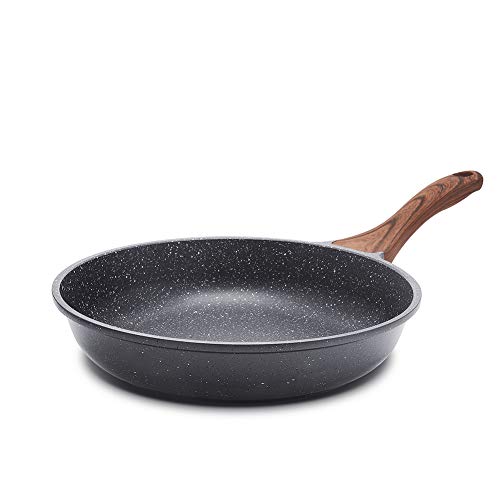
In a large, oven-safe skillet or Dutch oven (ideally one that can go from stovetop to oven, eliminating a transfer step), heat the oil over medium heat until shimmering. Add the chopped onion and sauté for 5 to 7 minutes, stirring occasionally, until golden-brown and softened. Don’t rush this step – the caramelized onion’s sweetness and specifically savory depth are a foundational flavor of the filling. Add the garlic and cook for 1 additional minute until fragrant.
Add the ground beef, salt, and pepper. Break it apart with a wooden spoon or meat chopper and cook over medium-high heat, stirring occasionally, until fully browned with no pink remaining and the meat has developed some golden spots from contact with the hot pan. Drain off the excess fat: tilt the pan and spoon out or blot with paper towels. An 85/15 ground round releases moderate fat during browning – some should remain in the pan for the sauce, but pools of fat should be removed.
Callie’s Kitchen Note: The browning of the onions before adding the meat is specifically the step I’m most particular about in this recipe. It takes 5 to 7 minutes of medium heat with occasional stirring, and both of those parameters matter. Too-high heat browns the outside of the onion before the interior has softened, producing a slightly bitter char note rather than the sweet, caramelized depth you want. Too-low heat steams the onion rather than browning it. Medium heat with occasional stirring produces golden, softened, specifically sweet onions that become the foundational savory note of the entire filling. Don’t rush the onions.
Why the Flour Goes on the Meat – Building the Sauce Without Making a Separate Gravy
With the browned meat and caramelized onion in the pan, sprinkle the 2 tablespoons of flour evenly over the surface. Stir thoroughly for about 1 minute until every surface of the meat is coated in flour with no dry flour pockets remaining. This direct-on-meat flouring technique (rather than making a separate roux or slurry) produces a more integrated thickening – the flour coats the meat’s surfaces and creates a starch matrix that thickens the liquid as it absorbs the Guinness and broth, producing a thick, clingy sauce that holds the filling together under the potato topping rather than remaining watery.
Why We Deglaze With Guinness – The Stout’s Specific Role
Add the tomato paste, Guinness stout, beef broth, Worcestershire sauce, dried rosemary, and dried thyme to the pan. Stir thoroughly to combine and scrape any browned bits from the bottom of the pan into the liquid – these browned bits (called fond) contain concentrated flavor compounds from the meat and onion’s browning and should be incorporated into the sauce rather than left stuck to the pan.
Bring the filling to a gentle boil over medium heat. The Guinness will foam slightly when it first hits the hot pan – stir through the foam and it subsides within 30 seconds. Reduce the heat to low, cover the pan, and simmer for 12 minutes. During this simmer, three things happen: the alcohol in the Guinness evaporates (leaving only the malt and flavor compounds behind), the flour thickens the liquid into a proper sauce consistency, and the herbs and Worcestershire integrate into the overall filling flavor.
Assembling and Baking the Pie
After the 12-minute simmer, fold in the frozen mixed vegetables. They don’t need to be thawed – they will cook through during the 25 minutes of oven baking. Transfer the filling to an 8×8 inch baking dish if your skillet isn’t oven-safe. Spread evenly and level the top.
Spoon the mashed potato topping over the filling. Using the back of a spoon or an offset spatula, spread into an even layer across the entire surface. Critically: press the mashed potatoes firmly to the edges and corners of the baking dish, creating as complete a seal as possible between the potato crown and the dish’s walls. Any gap at the edges becomes a channel through which the filling’s liquid will bubble and overflow during baking, pooling on the potato surface and preventing it from browning.
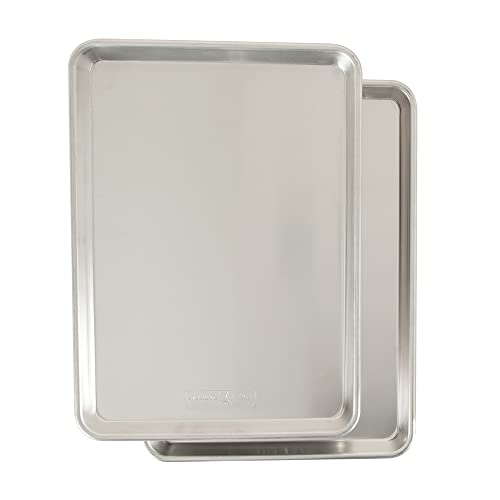
Place the baking dish on a rimmed baking sheet (to catch any overflow that bubbles past the potato seal) and bake at 350 degrees F for 25 minutes until the potato top is lightly golden and the filling is visibly bubbling at the edges.
Remove from the oven and rest for 15 to 20 minutes before serving. This rest is specifically necessary – the filling that just came out of the oven is very liquid and will run when spooned. After 15 to 20 minutes, the starch and gelatin set the filling enough to scoop cleanly from the dish.
Speed Hacks for Managing the Multi-Step Process
- Make the beef filling up to 2 days ahead and refrigerate; assemble with freshly made mashed potatoes and bake same-day
- Make and assemble the complete pie up to 24 hours ahead and refrigerate unbaked; add 10 minutes to the baking time for a cold-assembled pie
- Start the potatoes boiling while the onions are caramelizing – both finish in roughly the same time window
- Use an oven-safe skillet for the filling so there’s no transfer step before assembly
Common Mistakes To Avoid
A few specific choices affect the shepherd’s pie’s structure and flavor significantly.
Not draining the potatoes thoroughly and returning to the dry hot pot. Wet mashed potatoes are runny rather than fluffy. Drain well, return to the warm dry pot, and let steam escape for 1 to 2 minutes before adding butter and dairy.
Overmixing the mashed potatoes. The potato’s starch molecules bond progressively with each additional stroke of the masher. Once smooth and lump-free, stop. Every additional mashing produces denser, stickier mash.
Not sealing the mashed potato layer to the dish’s edges. Gaps become channels for liquid overflow that prevent the top from browning. Press firmly to the edges.
Not simmering the filling long enough. A 12-minute simmer is the minimum for the Guinness’s alcohol to cook off and the flour to properly thicken the sauce. An under-simmered filling will be too liquid and may not set during baking.
Not resting the pie after baking. Filling that has just come out of the oven is too liquid to serve cleanly. The 15 to 20 minute rest sets the filling to a scoopable, properly sliceable consistency.
Storage and Reheating
Fridge up to 4 days: Cover tightly with plastic wrap or foil and refrigerate. Reheat portions in the microwave in 2-minute intervals, stirring the filling between intervals, until heated throughout. Or reheat the full dish in a 350 degree F oven, covered with foil, for 20 to 25 minutes.
Freezer up to 2 months: Freeze in individual portions in freezer-safe containers or freeze the complete assembled pie before baking. To bake from frozen: remove the foil cover, bake at 350 degrees F for 55 to 65 minutes until heated throughout and the top is golden. To reheat individual frozen portions: microwave from frozen in 2-minute intervals.
Make-ahead assembly: Assemble the complete pie (including the mashed potato topping) in the baking dish, cover, and refrigerate for up to 24 hours before baking. Add 10 minutes to the baking time for the cold-from-refrigerator start.
Guinness Shepherd’s Pie Variations
The Guinness beef filling and cheesy mash topping take several excellent directions.
Traditional Lamb Shepherd’s Pie: Replace the ground beef with ground lamb in the same quantity. The lamb’s more assertively flavored, slightly gamey character is specifically the traditional filling for shepherd’s pie. The Guinness pairs specifically beautifully with lamb – both have an earthy, deeply flavored character that complements each other. Add a tablespoon of fresh rosemary (rather than dried) to the filling for an even more specifically herbal, traditional flavor.
Irish Dubliner Cheese Topping: Replace the medium cheddar in the mashed potato topping with Dubliner cheese (an Irish cow’s milk cheese with a sharp, slightly sweet, specifically complex character that sits between aged cheddar and Parmesan). The Dubliner in the potato crown produces a specifically more Irish character and pairs beautifully with the Guinness filling. Available at most well-stocked grocery stores and specialty cheese shops.
Mushroom and Parsnip Addition: Sauté 8 ounces of sliced cremini mushrooms alongside the onion before adding the beef. Add one parsnip, peeled and diced, with the frozen vegetables. The mushrooms add umami depth and the parsnip adds a specifically earthy, slightly sweet root vegetable character that is particularly good in the winter direction.
Cauliflower Mash Topping (Low-Carb): Steam a head of cauliflower until completely tender. Drain very thoroughly – press firmly in a kitchen towel to remove as much moisture as possible. Mash with butter, garlic powder, salt, pepper, and cheddar. Use in place of the potato topping. The cauliflower mash is softer and doesn’t brown quite as dramatically as potato mash, but it’s a genuinely satisfying low-carb alternative that absorbs the Guinness filling’s flavors beautifully.
Serving Suggestions
This Guinness shepherd’s pie is a complete, one-dish meal that works in multiple contexts from weeknight family dinner to St. Patrick’s Day celebration.
For a St. Patrick’s Day dinner: This is the specific dish that earns its place on the St. Patrick’s Day table – the Guinness is both the recipe’s defining ingredient and the beverage pairing, creating a specifically Irish cohesion. Serve with Irish soda bread (for scooping sauce from the dish), a simple green salad with vinaigrette, and a cold pint of Guinness. The smells coming from the kitchen while this cooks produce the specific anticipation that makes a holiday dinner feel genuinely celebratory.
For a family weeknight dinner: Shepherd’s pie is one of the most universally appealing, most specifically family-friendly dinners available – it has protein, vegetables, and starchy comfort all in one dish. Emily has always loved the mashed potato crown specifically and used to request the corner piece with the most golden, slightly crispy potato edges. The dish makes enough to serve 6 people generously and produces leftovers that are genuinely good reheated the next day.
Make-ahead for busy weeks: The assembled, unbaked pie can be refrigerated for 24 hours and baked when needed. This makes it the perfect Saturday-assembled, Sunday-baked or Saturday-assembled, Tuesday-baked weeknight dinner that required effort only during a less busy window.
Beverage pairings: A cold pint of Guinness Draught is the most specifically appropriate beverage pairing – the same malt that’s in the filling is in the glass, creating a cohesive experience where the dish and the drink share a flavor language. A full-bodied red wine (Cabernet Sauvignon, Malbec, or a Côtes du Rhône) is the wine pairing with enough tannin and fruit to complement the beef and the stout’s richness. Dark malt soda (such as a malt beverage) is the most thematically appropriate non-alcoholic alternative.

Guinness Shepherd’s Pie FAQ
The distinction is specifically about the meat. Shepherd’s pie (from the British tradition, where it originated) is made with lamb – the dish is associated with shepherds who raised the sheep whose meat fills the pie. Cottage pie uses beef – historically the meat available to rural farm workers living in cottages. Both are topped with mashed potatoes and baked, and both are now commonly called “shepherd’s pie” in American usage regardless of the filling. This recipe uses ground beef and is technically a cottage pie, though everyone calls it shepherd’s pie and everyone understands what is meant. For the traditional, most specifically British version, use ground lamb.
Yes – two alternatives work well. First: replace the half cup of Guinness with an additional half cup of beef broth for a non-alcoholic, non-beer version. The filling will be good but will lack the Guinness’s specific malty depth. To compensate: increase the Worcestershire sauce to a full tablespoon and add a teaspoon of balsamic vinegar, both of which add some of the complexity the stout would have provided. Second: use a different stout or dark beer – any stout (Murphy’s, Left Hand, Founders Breakfast Stout) produces a comparable malty depth. Lighter beers (lager, pale ale) produce a less specifically malty character but still add complexity beyond plain broth.
A runny filling is almost always a simmer time issue. The flour needs the full 12-minute simmer to properly thicken the liquid – if you reduce the simmer time, the flour doesn’t fully hydrate and activate its thickening capacity. Make sure the filling is at a genuine simmer (bubbling gently at the surface, not just warm) for the full 12 minutes with the lid on. A second common cause: too much liquid added. The half cup of Guinness and half cup of broth is calibrated for this amount of meat – if you added more liquid, it needs longer simmering to reduce. Let the filling simmer uncovered for an additional 5 minutes if it still seems too liquid before assembling.
A few things specifically produce a golden, brown-spotted potato crown. First: proper potato preparation – russets mashed with good fat (butter and half and half) produce a surface that browns; waterlogged potatoes don’t brown as effectively. Second: broiling. If the 25 minutes at 350 degrees F hasn’t produced the browning you want, turn the broiler on for 2 to 3 minutes at the end of baking and watch closely – this produces deep golden browning very quickly. Third: butter on top. Dot small pieces of butter across the potato surface before baking – as the butter melts, it bastes the surface and produces a richer golden color. Small ridges made with the back of a fork across the potato surface also create peaks that brown more dramatically than a smooth surface.
Recipes You May Like
If this Guinness shepherd’s pie has earned a regular spot in your cold-weather dinner rotation, here are three more hearty, warming comfort food dinners worth having alongside it:
- Easy Shepherd’s Pie with Ground Turkey – The lighter companion version with the same comforting mashed potato crown in a leaner turkey-filling format. When you want the shepherd’s pie experience with a lighter protein, this is the natural alternation.
- Meaty Spaghetti Sauce From Scratch – The other long-simmered, deeply flavored beef recipe in the collection. The Guinness shepherd’s pie and the Sunday spaghetti sauce together cover both the “ground beef in a baking dish” and “ground beef in a tomato sauce over pasta” directions of American comfort food cooking.
- Slow Cooker BBQ Chicken – For the weekend when you want the slow-cooked, minimal-effort comfort food experience in a completely different direction. Both the shepherd’s pie and the slow cooker BBQ chicken are project recipes that produce genuinely excellent results from mostly hands-off cooking.
Conclusion
This Guinness shepherd’s pie is the cold-weather dinner that fills the house with exactly the right smell on a drizzly Saturday and produces a table where nobody speaks for the first several minutes because everyone is eating. The Guinness’s malty depth in the filling. The flour-thickened sauce that holds everything together under the potato crown. The cheesy russet mashed potato topping that goes golden in the oven. The 15-minute rest that lets everything set before the first scoop.
Brown the onions properly before adding the meat – that caramelization is the flavor foundation. Don’t skip the 12-minute simmer – it’s when the sauce thickens and the alcohol cooks off. Seal the mashed potatoes to the dish’s edges. Rest the pie before serving. Add the Guinness. These five things produce a shepherd’s pie that tastes specifically like something you’d order at the best Irish pub you’ve ever been to, made from your own kitchen on a weekend afternoon. Come back and tell me in the comments whether you tried the Dubliner cheese topping or the lamb version. And save this on Pinterest for every St. Patrick’s Day, every drizzly Saturday, and every cold evening when you need something warming and specifically, memorably good.
Happy cooking, friends!
Callie


Guinness Shepherd’s Pie

Guinness Shepherd’s Pie is a cozy classic made with ground beef, veggies, and Guinness stout, then topped with cheesy mashed potatoes. It’s the perfect dish for chilly nights or festive dinners, bringing deep, savory flavor to your table with minimal fuss.
- Prep Time: 30 minutes
- Cook Time: 25 minutes
- Total Time: 55 minutes
- Yield: 4 servings 1x
- Category: Dinner
- Method: Stovetop and Oven
- Cuisine: Irish, American
- Diet: Kosher
Ingredients
1½ lbs russet potatoes, peeled and chopped
4 tablespoons butter
¼ cup half & half
¾ teaspoon kosher salt
¼ teaspoon ground black pepper
½ cup shredded medium cheddar cheese
2 tablespoons vegetable oil
1 cup chopped yellow onion
2 cloves garlic, minced or pressed
1½ lbs ground round beef
1 teaspoon kosher salt
½ teaspoon ground black pepper
2 tablespoons all-purpose flour
2 teaspoons tomato paste
½ cup Guinness stout beer
½ cup beef broth or chicken broth
2 teaspoons Worcestershire sauce
1 teaspoon dried rosemary
1 teaspoon dried thyme
2 cups frozen mixed vegetables
Fresh thyme for garnish (optional)
Instructions
Place potatoes in a large pot, cover with cold water, salt the water, and bring to a boil. Simmer 15–20 minutes until fork-tender. Drain well.
Return potatoes to the pot and mash with butter and half & half until creamy. Stir in cheddar, salt, and pepper. Set aside.
Preheat oven to 350°F. Heat oil in a skillet over medium heat. Add onion and cook until golden. Add garlic and sauté until fragrant.
Add ground beef, salt, and pepper. Cook until browned. Sprinkle in flour and stir.
Add tomato paste, Guinness, broth, Worcestershire, rosemary, and thyme. Bring to a simmer. Cover and cook for 12 minutes until thickened.
Stir in frozen vegetables.
Transfer beef filling to an 8×8-inch baking dish. Spread mashed potatoes on top, sealing the edges.
Bake for 25 minutes until golden. Let cool 15–20 minutes before serving. Garnish with fresh thyme if desired.



Notes
You can swap Guinness with extra broth if you prefer not to cook with alcohol
Frozen veggies don’t need to be thawed
Letting the pie rest before serving helps it set and makes slicing easier
Double the recipe and bake in a 9×13 pan for a bigger crowd
Leftovers are even better the next day
Nutrition
- Serving Size: 1 portion (¼ of recipe)
- Calories: 495
- Sugar: 5g
- Sodium: 790mg
- Fat: 28g
- Saturated Fat: 13g
- Unsaturated Fat: 12g
- Trans Fat: 0.5g
- Carbohydrates: 35g
- Fiber: 5g
- Protein: 26g
- Cholesterol: 90mg