This post may contain affiliate links. For more information, see our Affiliate Disclosure Policy.
By Callie
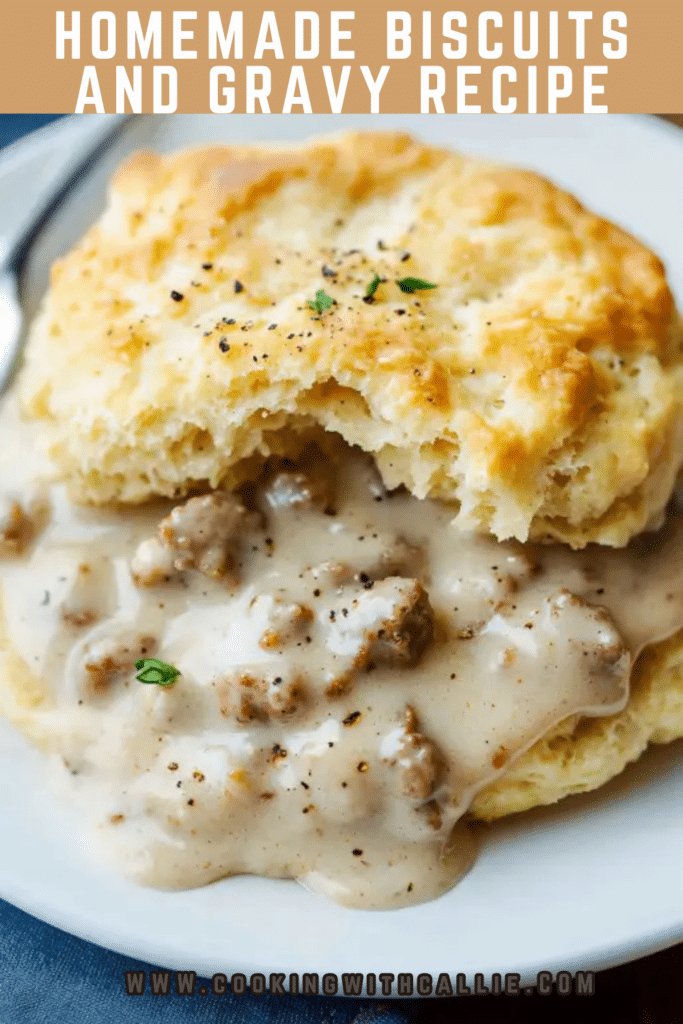
Biscuits and gravy is the Southern breakfast that operates at a completely different comfort level than most morning food. It’s not delicate. It’s not subtle. It’s specifically warm, filling, and satisfying in the way that only a combination of buttery flaky biscuits and rich sausage cream gravy can be – the kind of breakfast that makes you want to slow down on a cold Saturday morning and not do anything ambitious for at least an hour afterward. This homemade biscuits and gravy recipe produces both components from scratch in about 25 minutes, and both are worth making from scratch rather than reaching for a can or a package.
The biscuit recipe is the one I’ve been making for years – cold butter cut into seasoned flour until it looks like rough peas, cold half-and-half stirred in just until the dough comes together, folded a few times to build the layers, then cut and baked at 425 degrees F until golden. The cold butter is specifically the element that produces the flaky layers: as the butter heats in the oven, steam releases from its water content and lifts the surrounding dough into distinct layers. Warm butter (or melted butter incorporated before baking) produces a uniform, tender biscuit that lacks the separate flaky layers. Cold is the requirement, not just the preference.
The sausage gravy is built on the same roux principle as the Southern smothered chicken gravy – sausage browned in butter, flour cooked in the rendered fat, milk added gradually while whisking to prevent lumps. The specific difference here is the black pepper quantity: 1.5 teaspoons of coarsely ground black pepper is the defining flavor of properly made sausage gravy. Most gravy recipes use a fraction of this amount; sausage gravy at its best is specifically pepper-forward and the black pepper is not background seasoning – it’s a primary flavor. My husband described the first batch I made at proper pepper quantity as “this tastes like the actual thing” – his reference being the specific version served at a diner in Georgia he still talks about. For the Southern companion recipe that applies the same roux-and-gravy technique to a pan-seared chicken dinner, the Southern Smothered Chicken takes the same cream gravy approach in a dinner direction.
Speed Hacks – Biscuits And Gravy On The Table In 25 Minutes:
- Make the biscuit dough the night before: mix dry ingredients, cut in butter, cover and refrigerate the dry-butter mixture; add the half-and-half in the morning and bake – 5 minutes of morning biscuit work
- Start the biscuits in the oven, then immediately begin the sausage gravy – the 12-15 minute biscuit bake is exactly the time needed to cook the sausage, build the roux, and simmer the gravy to the correct consistency
- Use a food processor to cut the butter into the flour – pulse 8-10 times until the mixture looks like coarse crumbs; 45 seconds vs 5 minutes by hand
- Grate frozen butter on a box grater directly into the flour rather than cutting it in – the grated frozen butter distributes more evenly than cut cubes and takes about 60 seconds
- Cook the sausage gravy in a cast iron skillet that can go directly from stovetop to the table as a serving vessel – one less transfer and the cast iron keeps the gravy warm throughout the meal
Why You Will Love This Homemade Biscuits And Gravy
- Cold butter is the non-negotiable technique element that produces flaky biscuits. Butter contains approximately 20% water. When cold butter pieces are scattered through the flour dough and placed in a 425-degree F oven, the butter’s water content rapidly converts to steam under the sudden heat. This steam lifts the surrounding flour matrix upward and outward, creating the separate, distinct, visually dramatic layers that flaky biscuits are known for. Warm or softened butter has already integrated more fully into the flour matrix during mixing – there are no distinct butter pockets left to create the steam and the lift. The biscuits baked from warm butter are good (tender, flavorful from the butter’s fat) but specifically lack the layered, pull-apart flakiness that cold-butter biscuits produce. Cold butter, not-overworked dough, and a hot oven: these three together produce the flaky result.
- The fold-and-laminate technique builds the biscuit’s layers intentionally. After the dough comes together: pat it into a rough rectangle, fold it over itself (like folding a letter), rotate 90 degrees, pat flat again, fold again. Repeat 3-4 times. This folding process creates multiple distinct layers of butter-and-dough – the same lamination principle used in croissant making, applied more simply to a biscuit. Each fold adds a new layer boundary. The finished cross-section of a well-folded biscuit shows these layers clearly, and they separate cleanly when pulled apart rather than tearing as a uniform dough would.
- 1.5 teaspoons of coarsely ground black pepper is the authentic sausage gravy quantity – and it’s specifically more than most recipes specify. Sausage gravy’s defining character is its black pepper presence – the peppercorns’ sharp heat cutting through the richness of the cream and sausage fat. Most recipes list 1/4 or 1/2 teaspoon of pepper, which produces a mild, cream-forward gravy that is good but not specifically Southern-diner quality. The 1.5 teaspoons of coarsely ground black pepper (coarse grind specifically – fine ground black pepper is sharper and more bitter; coarse provides heat with earthiness) produces the pepper-forward, warming, distinctly Southern sausage gravy that is the recognizable “the actual thing” version my husband referenced.
- Browning the sausage fully before adding the flour is the technique that produces deep flavor in the gravy rather than pale, mild results. Sausage that is cooked only until “no longer pink” is pale and has underdeveloped Maillard browning – the flavor compounds from caramelization haven’t had time to form. Sausage cooked to actual golden-brown has developed those flavor compounds throughout and produced fond on the skillet surface. When the butter is added and then the flour is cooked in the sausage fat, all of that browning and fond is incorporated. The gravy built on well-browned sausage has a depth and complexity that gravy built on barely-cooked sausage doesn’t develop.
- Cooking the flour in the fat for 3 minutes before adding the milk is the step that eliminates raw flour taste from the finished gravy. Flour added to fat and cooked for 30-60 seconds produces a pale roux that still tastes of raw flour – the starch granules haven’t had time to fully hydrate in the fat and develop their toasted character. Three minutes of cooking at medium heat produces a lightly golden roux that smells slightly nutty and has lost all raw flour taste. The milk added to a properly cooked roux produces a gravy that tastes specifically of sausage and pepper rather than sausage-pepper-and-flour. Three minutes is the minimum; four or five minutes produces even better depth.
Homemade Biscuits And Gravy Ingredients
Scratch Biscuits (Makes 8)
- 2 cups (256g) all-purpose flour, plus extra for dusting
- 1.5 tablespoons baking powder (aluminum-free recommended)
- 1 teaspoon granulated sugar
- 3/4 teaspoon fine sea salt
- 1/2 cup (113g / 1 stick) cold unsalted butter, cut into 1/4-inch cubes
- 7/8 cup (210ml) cold half-and-half (1 cup minus 2 tablespoons)
- 1/2 tablespoon melted butter (to brush the baked biscuits immediately after baking)
The Sausage Gravy
- 2 tablespoons unsalted butter
- 1 lb (450g) bulk breakfast sausage (pork, not in casings) – Jimmy Dean Original, Bob Evans, or a quality local breakfast sausage
- 1/4 cup (32g) all-purpose flour
- 2.5 cups (600ml) whole milk or low-fat milk
- 1/4 teaspoon fine sea salt, or to taste
- 1.5 teaspoons coarsely ground black pepper – this is the correct quantity; measure it
- 1/8 teaspoon red pepper flakes (optional, for additional heat depth beyond the black pepper)
Ingredient Notes And Substitutions
Baking powder – aluminum-free specifically: Standard baking powder contains sodium aluminum sulfate, which can leave a slight metallic aftertaste in recipes where the baking powder quantity is significant (1.5 tablespoons is a large amount for 2 cups of flour – necessary for the lift a biscuit needs). Aluminum-free baking powder (Rumford, Bob’s Red Mill, or similar) produces the same lift without the metallic note. If you only have standard baking powder: the biscuits will still be good; the metallic note is subtle. But if you make biscuits regularly: switching to aluminum-free is specifically worth it.
Cold half-and-half vs buttermilk: Traditional Southern biscuits often use buttermilk (the acid in buttermilk reacts with baking soda to produce additional lift and a slight tang). This recipe uses half-and-half, which produces a richer, slightly softer biscuit with a more neutral flavor. For a more specifically Southern, more tangy biscuit: substitute 7/8 cup of buttermilk for the half-and-half. With buttermilk: reduce the baking powder to 1 tablespoon and add 1/4 teaspoon of baking soda (the acid in buttermilk needs soda to react with, not just more baking powder).
Breakfast sausage selection: Bulk breakfast sausage (not in casings) is the specific form needed – it browns and crumbles easily in the skillet. Jimmy Dean Original and Bob Evans Original are the most widely available standards. “Hot” breakfast sausage (which contains more cayenne and red pepper) produces a spicier gravy and can be used if you prefer more heat. For a more complex, more specifically Southern flavor: look for a local butcher’s breakfast sausage with a visible spice blend. Turkey breakfast sausage works as a lighter alternative but produces a paler gravy with less rendered fat for the roux.
Callie’s Kitchen Note: My husband’s “this tastes like the actual thing” comment deserves context. He grew up in a household where biscuits and gravy were a specific Saturday morning tradition, and he has a very clear reference point for what “correct” sausage gravy should taste like – the specific diner in Georgia is genuinely his benchmark. For the first several batches I made, his assessment was “good” rather than “the actual thing.” The difference that changed his evaluation: the black pepper quantity. When I increased from 1/2 teaspoon (what felt like a lot) to 1.5 teaspoons (what felt like too much before tasting), the gravy crossed from “good cream sauce with sausage” into “specifically Southern sausage gravy.” The pepper is not background. Measure it.

How To Make Homemade Biscuits And Gravy
One – The Biscuits
1- Mix Dry Ingredients And Cut In The Butter
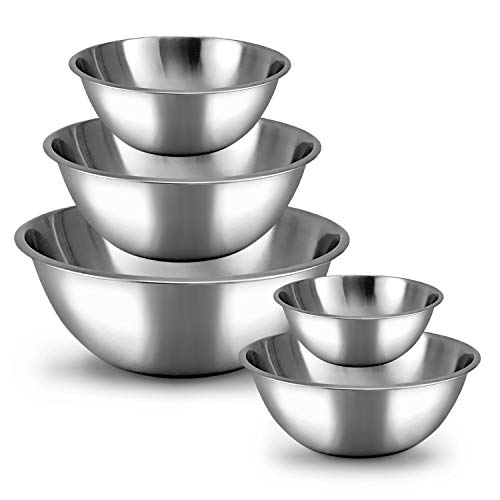
Preheat the oven to 425 degrees F (218 degrees C) and line a baking sheet with parchment paper. In a large bowl, whisk together the flour, baking powder, sugar, and salt. Thorough whisking ensures even distribution of the leavening throughout the flour – uneven distribution produces inconsistent rise, where some biscuits dome dramatically and others barely puff.
Add the cold butter cubes to the flour mixture. Using a pastry cutter, two knives, or your fingertips, work the butter into the flour until the mixture resembles coarse crumbs with some pea-sized pieces of butter still visible. The goal is not a completely uniform flour-butter mixture – the visible butter pieces are specifically what will create the steam and the layers. Work quickly to keep the butter cold: warm hands transfer heat to butter rapidly, which begins softening it. If your kitchen is warm: freeze the butter for 20 minutes before cubing it, or use the grated-frozen-butter method described in the Speed Hacks box.
Why Pea-Sized Butter Pieces Are The Goal (Not A Fine Crumb)
The instruction “until it resembles coarse crumbs” in most recipes is misleading – it implies complete, small, uniform crumbs. The better description: the mixture should contain a range of butter piece sizes from fine crumbs up to small pea-sized chunks. The fine crumbs produce tenderness (butter fat coating flour proteins, limiting gluten development). The larger pieces produce flakiness (steam pockets from the water content in distinct butter masses). A mixture that is entirely fine crumbs has no larger pieces to generate steam layers and will produce a tender but non-flaky biscuit. Some visible larger butter pieces are specifically the correct goal.
2- Add Liquid And Form The Dough
Make a well in the center of the flour-butter mixture. Pour in the cold half-and-half gradually, stirring with a fork from the center outward until the dough just comes together. Stop mixing as soon as no dry flour remains at the bottom of the bowl – the dough should look shaggy, slightly rough, and a little uneven. Do not stir until smooth. Overworked biscuit dough develops gluten, producing tough, dense biscuits that don’t have the tenderness the limited mixing preserves.
3- Laminate And Cut The Biscuits
Turn the shaggy dough onto a lightly floured surface. Using your hands, pat the dough into a rough rectangle (about 8×5 inches, 1 inch thick). Fold the rectangle over itself like a letter (fold the bottom third up, fold the top third down), rotate 90 degrees, pat flat again. Repeat this fold-and-pat cycle 3-4 times. Each fold creates a new layer boundary. Don’t be gentle with the dough during this process: press firmly to adhere the layers, and move quickly to keep the butter cold.
After the final fold: pat or roll the dough to approximately 1-inch thickness. Using a sharp biscuit cutter or the rim of a glass (2.5-3 inch diameter), cut straight down through the dough without twisting. Twisting the cutter seals the edges of the biscuit and prevents it from rising properly – the biscuit rises less dramatically and the layers are less distinct. Straight down, lift straight up, no twist.
Arrange the biscuits on the parchment-lined baking sheet so they are touching or just barely touching each other. This close spacing is not incidental: biscuits baked with space between them spread outward rather than rising upward; biscuits baked touching each other are encouraged to rise straight up by the neighboring biscuit’s pressure. The touching arrangement produces taller, more specifically biscuit-shaped biscuits.
4- Bake
Bake at 425 degrees F for 12-15 minutes until the tops are deep golden brown. The high temperature is specifically what drives the rapid steam generation in the butter that creates the layers – a lower-temperature bake melts the butter more slowly and doesn’t generate the same rapid steam lift. Remove from the oven and immediately brush the tops with the melted butter. The butter seeps into the biscuit’s hot top crust and produces a specific richness and sheen that is specifically better than unbrushed biscuits.
Callie’s Kitchen Note: The touching biscuits arrangement is the technique detail I learned from a Southern baking resource and didn’t initially believe – it seemed like the biscuits needed space to expand. After testing both side-by-side: the biscuits baked with 1-inch spacing between them spread outward and ended up 3/4-inch tall with sloped sides. The biscuits baked touching each other rose straight upward and ended up 1.5 inches tall with vertical sides. Same dough, same oven, same time. The touching arrangement produces a genuinely different, genuinely better result. I now always bake biscuits touching and have never gone back to the spaced arrangement.
Two – The Sausage Gravy
5- Brown The Sausage
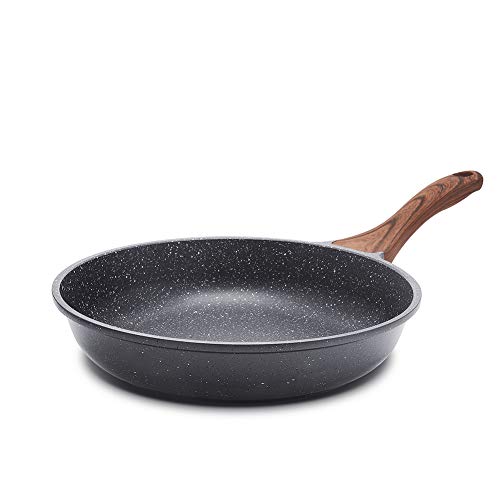
In a large cast-iron skillet over medium-high heat, melt the 2 tablespoons of butter. Add the bulk breakfast sausage, breaking it into small pieces with a spatula or wooden spoon. Cook for 5-6 minutes, stirring occasionally, until the sausage is deep golden brown – genuinely browned, not just cooked through. Allow the pieces to sit undisturbed for 30-45 seconds between stirs to develop browning on each piece’s contact surface. The browned sausage and the fond it creates are the primary flavor elements of the finished gravy.
6- Build The Roux And Add Milk
Reduce heat to medium. Do not drain the sausage fat. Sprinkle the 1/4 cup of flour over the sausage. Stir constantly for 3 minutes – the flour coats the sausage pieces and absorbs the rendered fat, forming a sausage-studded roux. The mixture should look thick and pasty and smell slightly nutty after the 3 minutes of cooking. Undercooked roux (less than 2 minutes) produces a gravy that tastes of raw flour; properly cooked roux (3+ minutes) produces the baseline flavor the gravy needs.
Pour in the milk gradually – a thin, steady stream while whisking continuously. The whisking prevents the milk from clumping against the roux rather than incorporating smoothly. As the milk is added, the roux hydrates and the mixture thickens. After all the milk is added: increase heat slightly to bring to a gentle simmer (small bubbles breaking lazily at the surface). Simmer for 5 minutes, stirring frequently, until the gravy is thick enough to coat a spoon and flow slowly when the spoon is lifted.
Season with the salt, the 1.5 teaspoons of coarsely ground black pepper, and the red pepper flakes if using. Taste and adjust. The gravy should taste clearly savory, clearly peppery, and rich from the milk and sausage fat. If too thick: add milk a tablespoon at a time until the desired consistency is reached. If too thin: simmer for 2-3 more minutes without the lid to reduce.
Callie’s Kitchen Note: Emily’s first reaction to biscuits and gravy was skeptical – the concept of white gravy poured over bread did not initially appeal to her. My husband and I ate the first batch and she tried a small bite at the end of the meal. Second time I made it: she asked for her own plate. Third time: she asked if we were having biscuits and gravy before I had started cooking, which I interpreted as a request. She now eats two biscuits with gravy every time, always with a fork (the biscuits split open and the gravy pooled in the halves), always scraping the plate at the end. The skeptic-to-plate-scraper arc took three batches. I find this an accurate preview of how most people interact with biscuits and gravy for the first time: the concept sounds unremarkable; the actual eating is specifically revelatory.
Common Mistakes To Avoid
Using Warm Or Room-Temperature Butter In The Biscuits
The single most impactful biscuit mistake. Warm butter integrates into the flour during mixing rather than remaining as distinct pieces, eliminating the steam-generating pockets that produce flaky layers. If your butter has softened: return to the freezer for 15-20 minutes before using. Work quickly during mixing. A good test: after cutting the butter into the flour, the mixture should feel cold to the touch and you should see visible butter pieces. If it feels warm and uniform: the butter has already over-integrated.
Twisting The Biscuit Cutter
Already explained: twisting seals the biscuit edge and prevents the layers from separating and rising. Straight down, straight up. If using a glass: press down firmly, lift straight up. The biscuit cut surface should look rough and layered, not smooth and sealed.
Not Cooking The Flour Long Enough In The Gravy
The raw-flour taste in the finished gravy is specifically caused by insufficient roux cooking time. Three minutes at medium heat with constant stirring is the minimum. The roux changes during this time: it becomes more aromatic, slightly more golden, and the raw-flour smell converts to a mildly nutty one. These are the cues that the flour is cooked. Don’t shortcut this step.
Adding Milk Too Fast
A thin stream of milk while whisking continuously allows the roux to hydrate evenly, producing a smooth gravy. Milk added in large amounts at once hits the roux too quickly for even hydration and produces lumps. If lumps form: whisk vigorously and continue simmering – most flour lumps dissolve with sustained heat and agitation. Prevention is easier: slow stream, constant whisking from the first drop.
Using Too Little Black Pepper
The gravy needs the 1.5 teaspoons of coarsely ground black pepper to taste like sausage gravy rather than just cream sauce with sausage pieces in it. This quantity may look like a lot before adding; add it and then taste. The pepper will be assertive but not unpleasant – it’s warmth and depth, not sharpness or bitterness. If the gravy tastes one-dimensionally creamy without distinct pepper heat: add more pepper, a 1/4 teaspoon at a time, tasting after each addition.
Callie’s Kitchen Note: The gravy-too-thick problem that happens during the 5-minute simmer is the most common troubleshooting question for this recipe, and the solution is specifically simple: add milk one tablespoon at a time, stirring after each addition, until the correct consistency is reached. What is the correct consistency? The gravy should flow from a spoon in a thick but fluid stream – not like water, not like pudding. It should coat the back of the spoon and hold that coating when you run a finger through it (the “clean parting” test). If you’re uncertain whether it’s too thick or just right: err on the side of slightly looser, because the gravy continues to thicken as it cools on the plate. What looks slightly thin in the skillet will look perfect when ladled over the biscuits and allowed to settle.
Storage And Reheating
Biscuits: Store at room temperature in an airtight bag or container for up to 2 days. Do not refrigerate biscuits – the refrigerator’s starch retrogradation environment (the same as with bagels) makes biscuits go stale faster than room temperature storage. Freeze biscuits for up to 3 months, individually wrapped. Reheat from room temperature in a 350-degree F oven for 5-7 minutes; from frozen at 350 degrees F for 12-15 minutes.
Sausage gravy: Refrigerate in a sealed container for 3-4 days. The gravy thickens dramatically in the refrigerator as it cools. Reheat on the stovetop over low heat with 2-4 tablespoons of milk added, stirring, until the gravy returns to its correct consistency. Do not rush with high heat – cream gravies can break (fat separates from the milk base) if heated aggressively from cold. Low heat, added milk, constant stirring.
Freezing: Both the biscuits and gravy freeze well separately for up to 3 months. Freeze the gravy in individual portions (one serving per container) for the most practical thaw-and-reheat system. Thaw overnight in the refrigerator before stovetop reheating. Do not freeze assembled biscuits-and-gravy – the biscuit absorbs the gravy’s moisture during freezing and thawing and becomes sodden.
Biscuits And Gravy Variations
Cheesy Drop Biscuits With Gravy
Rather than the laminated cut biscuits: add 1/2 cup of shredded sharp cheddar to the biscuit dough after adding the half-and-half. Drop mounds of dough (about 1/4 cup each) onto the parchment-lined baking sheet rather than rolling and cutting. Bake at 425 degrees F for 12-14 minutes. Drop biscuits have a rougher, more casual exterior with a tender, cheesy interior and take significantly less technique than cut biscuits – no rolling, no cutting, no laminating. The cheddar adds a savory richness that complements the sausage gravy specifically well.
Spicy Sausage Gravy (Hot Breakfast Sausage Version)
Use “hot” breakfast sausage rather than the regular variety. Increase the red pepper flakes to 1/4 teaspoon. Add 1/4 teaspoon of cayenne pepper to the gravy along with the black pepper. The spicy version is specifically excellent for people who find the standard version too mild – the hot sausage’s extra red pepper combined with increased flakes and cayenne produces a gravy that builds heat with each bite in a specifically satisfying way. Serve with cold sweet tea alongside for the heat management.
Mushroom Sausage Gravy
After browning the sausage and before adding the flour: add 1 cup of finely chopped cremini mushrooms to the skillet. Cook for 5-6 minutes until the mushrooms have released their moisture, that moisture has evaporated, and the mushrooms are golden. Then proceed with the roux and milk as directed. The mushrooms add umami depth that amplifies the sausage’s savory character and produces the most specifically complex gravy variation. This is the version to make when you want something that is specifically more interesting than the classic without being different in character.
Vegetarian Sausage Gravy
Replace the breakfast sausage with a plant-based breakfast sausage (Beyond Breakfast Sausage or similar, crumbled). Cook as directed – the plant-based sausage browns similarly to pork sausage. Add 1/2 teaspoon of smoked paprika and 1/4 teaspoon of fennel seeds (toasted and roughly ground) to the gravy for the flavor complexity that pork sausage’s fat and seasoning would otherwise provide. The vegetarian version is lighter in color (less rendered fat in the pan) and requires an additional tablespoon of olive oil to supplement the lower fat content for the roux phase.
Honey Butter Biscuits With Country Gravy
For the most specifically indulgent version: brush the baked biscuits with a mixture of 1 tablespoon of honey plus 1.5 tablespoons of melted butter (instead of plain melted butter). The honey-butter glaze on the hot biscuit produces a slight sweetness at the biscuit’s surface that contrasts with the savory gravy in specifically excellent way. Pair with the standard pepper-forward gravy for maximum sweet-savory contrast.
Serving Suggestions
The Classic Southern Breakfast Plate
Split two biscuits in half on the plate. Ladle sausage gravy generously over all four halves – enough gravy that it pools slightly on the plate around the biscuits. A fried or scrambled egg alongside. Crispy bacon or additional breakfast sausage links on the side. Black coffee. This is the breakfast where the plate is the point and the time to eat it is the gift. Don’t rush it.
For A Brunch Spread
Serve the biscuits in a basket on the table and the gravy in a warm pot or cast-iron skillet. Guests ladle their own gravy. Additional sides: a simple fruit salad, crispy hash browns or Southern fried potatoes, and a glass of orange juice. The self-serve format of biscuits and gravy at a brunch table is specifically sociable – people gather around the gravy pot and the biscuit basket.

Homemade Biscuits And Gravy FAQ
Three causes in order of likelihood. First: the baking powder is old. Baking powder loses its leavening power over time – if yours has been open for more than 6 months, test it by dropping a teaspoon into hot water; if it bubbles vigorously, it’s still active. Second: the butter was warm and integrated fully into the flour without leaving distinct pockets to generate steam lift. Third: the dough was overworked, developing gluten that creates a tough, less expandable structure. Fresh baking powder, cold butter with visible pieces, minimal handling: these three together produce tall biscuits.
Whisk vigorously and continue simmering. Most flour lumps in a gravy dissolve with sustained heat and mechanical agitation – the outer surface of the lump continues hydrating until the starch molecules fully dissolve into the surrounding liquid. If the lumps persist after 3-4 minutes of vigorous whisking: strain the gravy through a fine-mesh strainer, return to the pan, and continue. Prevention: add milk slowly (thin stream) while whisking continuously from the first drop.
Yes, both can be made ahead with specific approaches. Biscuits: bake fully, cool completely, store at room temperature up to 2 days or freeze. Reheat just before serving. Gravy: cook completely, cool, refrigerate up to 3 days. Reheat gently with added milk. The biscuits are better baked fresh (or reheated from room temperature) rather than assembled-and-reheated with the gravy – biscuits that have been assembled with gravy and refrigerated become soggy as the gravy’s moisture absorbs into the biscuit crumb. Assemble at the moment of serving.
Country gravy (also called white gravy or cream gravy) is the base – a roux-thickened milk sauce seasoned with salt and black pepper, made from the pan drippings of whatever was cooked in the skillet. Sausage gravy is country gravy made specifically from a skillet where breakfast sausage was cooked – the sausage pieces remain in the gravy, and the sausage’s fat and seasoning flavor the base. Sausage gravy is a type of country gravy, not a separate sauce. The distinction matters for understanding the gravy-making principle: any pan drippings (bacon fat, chicken fat, sausage fat) plus flour plus milk produces the same country gravy foundation.
Recipes You May Like
If this homemade biscuits and gravy recipe has you building a collection of Southern comfort food and from-scratch breakfast recipes, here are three more from the blog in the same spirit.
Southern Smothered Chicken – The dinner companion that applies the exact same roux-and-cream-gravy technique to a pan-fried chicken dinner. Where the sausage gravy uses pork sausage fat and rendering as the roux base, the smothered chicken uses the fond from seasoned-flour-dredged chicken sear. Both are Southern cream gravies built from rendered fat plus flour plus milk; the protein and the occasion are completely different. Knowing both gives you the breakfast gravy and the dinner gravy from the same fundamental technique.
Honey Butter Biscuits – The sweeter biscuit companion for occasions when the biscuit should stand alone as the featured item rather than serving as a vehicle for gravy. Where the biscuits in this recipe are specifically designed as the gravy-delivery system, the honey butter biscuits are the biscuit that you eat warm with additional honey butter and nothing else required. Both use the same cold-butter, fold-and-laminate technique; the honey butter version adds a sweet glaze that makes it specifically a standalone treat.
Southern Fried Potatoes – The classic Southern breakfast side that belongs on the same plate as biscuits and gravy. Crispy, golden, pan-fried potato slices with onion and seasoning are the starchy, savory complement that rounds out the biscuits-and-gravy breakfast into a full Southern breakfast plate. Both are specifically Southern breakfast classics; both are specifically better made from scratch than from a package; and both are on the table within 30 minutes from a cold start.
Conclusion
This homemade biscuits and gravy recipe is the one that earned “this tastes like the actual thing” from my husband and converted Emily from skeptic to plate-scraper in three batches. Cold butter, minimal handling, folded layers, touching arrangement, baked at 425. Browned sausage, three-minute roux, slow milk pour, 1.5 teaspoons of black pepper. These are the details that produce the result that matches the diner benchmark.
The pepper quantity is the one. Measure it. Don’t approximate down because it looks like too much. It isn’t. The gravy at 1.5 teaspoons coarse black pepper is specifically Southern sausage gravy; at 1/2 teaspoon it’s a cream sauce with sausage in it. Those are different things.
Tell me in the comments whether you made the classic or tried the cheesy drop biscuit version, and whether your household had a similar skeptic-to-convert arc. Save this to Pinterest for your next cold Saturday morning – and happy cooking!
Happy cooking! – Callie
Homemade Biscuits and Gravy Recipe

This homemade biscuits and gravy recipe is a Southern breakfast classic, featuring flaky, buttery biscuits smothered in rich and creamy sausage gravy. Made with simple ingredients, it’s quick, filling, and perfect for busy mornings or a comforting weekend brunch.
- Prep Time: 10 minutes
- Cook Time: 15 minutes
- Total Time: 25 minutes
- Yield: 8 servings 1x
- Category: Breakfast
- Method: Stovetop & Baking
- Cuisine: Southern
- Diet: Low Lactose
Ingredients
For the Biscuits:
- 2 cups all-purpose flour
- 1 1/2 tablespoons baking powder (aluminum-free)
- 1 teaspoon granulated sugar
- 3/4 teaspoon fine sea salt
- 1/2 cup cold unsalted butter (8 tablespoons)
- 1 cup cold half and half, less 2 tablespoons
- 1/2 tablespoon melted butter (to brush the baked biscuits)
For the Sausage Gravy:
- 2 tablespoons unsalted butter
- 1 pound breakfast sausage, casings removed
- 1/4 cup all-purpose flour
- 2 1/2 cups milk (low-fat or whole)
- 1/4 teaspoon fine sea salt (or to taste)
- 1 1/2 teaspoons coarsely ground black pepper (or to taste)
- 1/8 teaspoon red pepper flakes (optional)
Instructions
-
Make the Biscuits
- Preheat oven to 425°F (218°C) and line a baking sheet with parchment paper.
- In a large bowl, whisk together the flour, baking powder, sugar, and salt.
- Cut in the cold butter with a pastry cutter until the mixture resembles coarse crumbs.
- Stir in the half and half until just combined.
- Turn the dough onto a floured surface, fold it over itself a few times, then roll to 1-inch thick.
- Cut out biscuits and place them on the baking sheet.
- Bake for 12-15 minutes, or until golden brown.
- Brush with melted butter and set aside.
-
Make the Sausage Gravy
- In a large cast-iron skillet, melt 2 tablespoons of butter over medium-high heat.
- Add the sausage, breaking it apart, and cook until browned (about 5 minutes).
- Reduce heat to medium, sprinkle flour over the sausage, and stir constantly for 3 minutes.
- Gradually add the milk while stirring to prevent lumps.
- Season with salt, black pepper, and red pepper flakes.
- Simmer for 5 minutes, stirring occasionally, until thick and creamy.
-
Assemble & Serve
- Split the biscuits in half and place them on plates.
- Ladle warm sausage gravy generously over the biscuits.
- Serve immediately.



Notes
- For flakier biscuits, use very cold butter and avoid overmixing the dough.
- If the gravy becomes too thick, add a splash of milk to loosen it up.
- The biscuits can be made ahead and stored for up to 2 days in an airtight container.
Nutrition
- Serving Size: 1 biscuit with gravy
- Calories: 420
- Sugar: 3g
- Sodium: 580mg
- Fat: 26g
- Saturated Fat: 13g
- Unsaturated Fat: 10g
- Trans Fat: 0g
- Carbohydrates: 34g
- Fiber: 1g
- Protein: 12g
- Cholesterol: 55mg