
This post may contain affiliate links. For more information, see our Affiliate Disclosure Policy.
By Callie
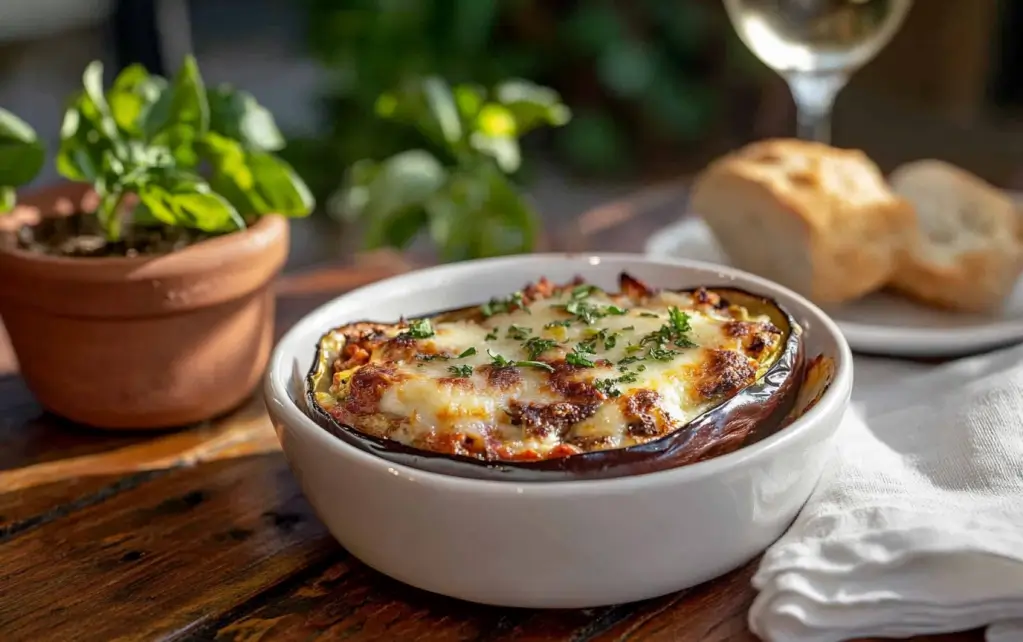
Mediterranean stuffed eggplant is specifically the weeknight dinner that looks considerably more impressive than the effort required to make it. Two large eggplants halved and scooped, the scooped-out flesh diced and cooked into the filling alongside onion, garlic, zucchini, and red bell pepper, the whole filling combined with tomato paste, tomato sauce, and Italian seasoning, then stuffed back into the shells and baked under a blanket of melted mozzarella. The result is a dinner where the eggplant shell becomes the serving vessel and the filling is specifically made from everything that came out of it plus additional vegetables and sauce – which means nothing is wasted and the filling has a specifically concentrated eggplant flavor that a filling made without the scooped flesh wouldn’t achieve.
The technique element worth specifically understanding is the moisture question. Eggplant is approximately 92% water by weight, and that water releases during cooking. A stuffed eggplant without any pre-cooking of the shell can become watery during the 45-50 minute bake as the shell releases its moisture into the filling, diluting the tomato sauce and producing a soggy result. The solution used in this recipe: pre-seasoning the shells with salt (which draws out some surface moisture before baking), reducing the filling down to a thick consistency before stuffing (so there’s less excess liquid to pool), and optionally pre-baking the empty shells for 20 minutes before filling (which jump-starts the moisture release in a controlled way before the filling goes in). The combination of these three approaches produces a stuffed eggplant that is specifically tender and saucy without being watery.
I made this specifically for a Tuesday evening when I wanted something that would feel like a substantial dinner without being particularly heavy, and had two large eggplants that needed to be used. My husband ate two halves and said it was “the kind of thing you bring when you want people to think you tried hard without actually trying that hard” – which is genuinely one of the most useful things a recipe can be. Emily initially approached it with the visual skepticism that she reserves for things that look unfamiliar, but finished her half and ate a significant portion of the filling from her serving dish with a spoon afterward. For the eggplant companion that uses a similar technique in a breaded, tomato-sauced, Italian-American format, the Classic Eggplant Parmesan is the richer, more indulgent companion in the same eggplant-and-cheese-and-tomato flavor family.
Why You Will Love This Mediterranean Stuffed Eggplant
- The scooped-out eggplant flesh cooked into the filling is specifically the technique that produces a more complex, more specifically eggplant-flavored filling than a vegetable filling without it. Eggplant flesh, when diced and sauteed, develops a slightly smoky, slightly sweet, specifically savory character from the Maillard browning of its cell solids – this character is fundamentally different from raw eggplant’s slight bitterness and becomes the flavor backbone of the filling. The diced eggplant flesh also absorbs the olive oil, garlic, and tomato’s flavors during the 8-10 minute saute more effectively than zucchini or bell pepper does – its spongy, absorbent cell structure is specifically effective at picking up surrounding flavors. The result is a filling where the eggplant’s presence is felt throughout rather than being only a vehicle for the other vegetables.
- Tomato paste and tomato sauce used together produce a filling with two distinct tomato contributions – depth and body. Tomato paste (concentrated tomatoes cooked until most moisture is removed) provides a deep, slightly caramelized, intensely tomato-flavored base note. Tomato sauce provides body, moisture, and brightness. Used together: the paste’s concentrated depth rounds the sauce’s acidity into a specifically complex, rich tomato character that either alone wouldn’t produce. Stirring the tomato paste in first and allowing it to cook for 1-2 minutes before adding the sauce produces even more depth – the paste’s sugars caramelize slightly in the hot pan before being diluted by the sauce, adding another layer of complexity.
- Freshly shredded mozzarella melts significantly better than pre-shredded bagged cheese – specifically worth the 60 seconds of extra grating. Pre-shredded mozzarella is coated with anti-caking agents (cellulose powder, starch) that prevent the shreds from sticking together in the bag but also prevent them from melting into a smooth, cohesive layer in the oven. The result is a slightly grainy, slightly separated melted cheese that doesn’t produce the specific stretchy, golden-bubbled, pull-apart quality of freshly grated mozzarella. For a dish where the melted cheese is a primary visual element: grate fresh from a block. It takes 60 seconds and produces a specifically superior result.
- The optional 3-5 minute broil at the end is specifically what produces the deeply caramelized, slightly charred cheese topping that elevates the presentation from “home-cooked” to “something a restaurant would serve.” Baked mozzarella at 375 degrees F for 45-50 minutes melts and becomes bubbly but doesn’t develop the specific deep browning and slightly charred spots that make a cheese topping look specifically impressive. The broiler (typically 500+ degrees F) produces this browning in 3-5 minutes by applying intense overhead heat directly to the cheese’s surface. Watch carefully during the broil – the difference between perfectly charred and burned is approximately 60-90 seconds at broiler temperature.
- This is a complete vegetarian meal from a single pan – the protein comes from the mozzarella, the fiber from the eggplant and vegetables, and the warmth and fullness from the entire combination. At approximately 300-350 calories per stuffed eggplant half with the filling and cheese, two halves constitute a satisfying dinner that is specifically lighter than most pasta or grain-based dinners while providing more fiber, more vegetables, and comparable protein. The eggplant shell acts as its own serving vessel, which means no additional side dishes are necessary (though crusty bread to scoop up the filling, or a simple green salad alongside, are both specifically good additions).
Mediterranean Stuffed Eggplant Ingredients
Eggplants (Serves 4)
- 2 large eggplants (approximately 1 lb each), firm and glossy-skinned
- Salt and freshly ground black pepper for seasoning the shells
- Fresh flat-leaf parsley, finely chopped, for garnish
Filling
- 2 tablespoons extra-virgin olive oil
- 1 medium yellow onion, finely diced
- 1 tablespoon garlic (approximately 3 cloves), minced
- 1 medium zucchini, diced into 1/2-inch pieces
- 1 medium red bell pepper, diced into 1/2-inch pieces
- The diced eggplant flesh scooped from the shells
- 1 tablespoon tomato paste
- 1/2 teaspoon Italian seasoning
- 1/2 teaspoon fine salt
- 1/4 teaspoon freshly ground black pepper
- 1/2 cup (120ml) tomato sauce
- 3/4 cup (85g) freshly shredded mozzarella (or feta for a tangier direction)
Ingredient Notes And Substitutions
Eggplant selection: The most important eggplant quality for stuffing is firmness – a firm eggplant has flesh that will scoop cleanly and hold its shape during scooping, leaving the 1/2-inch border intact. Soft eggplants have begun deteriorating and their flesh doesn’t scoop cleanly, which makes the border more likely to tear. Additionally: large eggplants are specifically better for stuffing than small ones – the larger shell provides more interior volume for filling. Look for eggplants that feel heavy for their size (dense, hydrated flesh), have smooth and glossy skins without brown spots, and resist gentle pressure without any give.
Feta as the mozzarella alternative: Replacing the mozzarella with crumbled feta produces a completely different but specifically excellent result. Feta doesn’t melt in the same way – it softens and browns at the edges without becoming the stretchy, cohesive layer that mozzarella produces. The flavor contribution is tangier, saltier, and more assertively Mediterranean. For a dish intended to be specifically Mediterranean in character: feta is actually the more authentic direction. For a dish intended to have the stretchy-melted-cheese quality: mozzarella is correct. Both are good; they’re different flavor and texture experiences.
Mushrooms as the zucchini substitute: Cremini or portobello mushrooms diced to the same 1/2-inch size as the zucchini produce a heartier, more specifically savory, meatier filling. Mushrooms release significant moisture during sauteing (even more than zucchini), so extending the saute time by 2-3 minutes and allowing the filling to reduce further before stuffing is specifically important when using mushrooms.
Callie’s Kitchen Note: My husband’s “the kind of thing you bring when you want people to think you tried hard without actually trying that hard” assessment is specifically about the visual impression that stuffed eggplant makes at a dinner table. The eggplant shell as a serving vessel, the golden cheese topping, the visible vegetable filling through the cheese: the dish communicates specificity and care that a bowl of pasta with the same filling wouldn’t. The effort required (approximately 30-35 minutes of active work plus 50 minutes of baking) is specific but not dramatic. The impression created exceeds the effort specifically. This is the recipe for a dinner party side where you want to be perceived as having worked harder than you did.
How To Make Mediterranean Stuffed Eggplant
1- Prep The Eggplant Shells
Preheat the oven to 375 degrees F. Line a baking sheet with parchment paper. Cut each eggplant in half lengthwise with a sharp knife. Using a large spoon or melon baller: scoop out the flesh of each eggplant half, leaving approximately 1/2-inch of flesh at the sides and bottom – the remaining border should be thick enough to hold the filling without collapsing or tearing when lifted. The scooped flesh will be used in the filling; set it aside on a cutting board and dice into 1/2-inch pieces.
Lightly season the inside surface of each eggplant shell with salt. The salt draws out some surface moisture from the eggplant flesh and seasons the shell before baking. Allow the salted shells to sit cut-side-up on the parchment-lined baking sheet for 5-10 minutes, then pat lightly with paper towels to remove the surface moisture the salt has drawn out.
Why Pre-Baking The Empty Shells Prevents Sogginess
Eggplant flesh contains approximately 92% water. When an eggplant shell bakes filled with filling for 45-50 minutes, the heat causes the eggplant’s cells to rupture and release this water – which pools at the base of the shell and can dilute the filling’s tomato sauce into a watery, thin consistency rather than the thick, concentrated filling the recipe aims for. Pre-baking the empty shells for 20 minutes at 375 degrees F before filling allows them to release a significant portion of their moisture in a controlled way before the filling goes in. The moisture evaporates from the exposed, salted surface rather than pooling in the filling. The pre-baked shell is softer but has already released most of its releasable moisture, and the subsequent 25-30 minutes of baking with the filling doesn’t produce significant additional water release. If you have the time: pre-bake the shells for 20 minutes before filling. If making this on a weeknight and skipping the pre-bake: extend the filling reduction time in the pan to ensure the filling is very thick before stuffing, and expect the finished dish to have slightly more liquid in the shell.
2- Make The Filling
Heat the 2 tablespoons of olive oil in a large skillet over medium heat. Add the finely diced onion and cook for 3-4 minutes until softened and translucent. Add the minced garlic and cook for 1 minute until fragrant but not browned.
Add the diced zucchini, red bell pepper, and diced eggplant flesh. Toss to coat with the oil and cook over medium heat for 8-10 minutes, stirring occasionally, until all the vegetables are tender and the eggplant has softened and begun to take on some golden color at the edges. The vegetables will initially release moisture and then the moisture evaporates – continue cooking until the pan looks relatively dry before proceeding.
Add the tomato paste and stir it through the vegetables. Cook for 1-2 minutes until the tomato paste has deepened in color slightly and smells less raw – this short cook of the tomato paste specifically develops its caramelized depth before the tomato sauce dilutes it. Add the Italian seasoning, salt, and pepper. Stir to combine. Pour in the 1/2 cup of tomato sauce and stir until the vegetables are evenly coated. Reduce the heat to medium-low and simmer for 10 minutes, stirring occasionally, until the filling has thickened to a consistency that would hold a spoon standing up rather than flowing freely. The thick filling is specifically what prevents the sogginess problem – excess liquid in the filling becomes excess liquid in the shell.
Callie’s Kitchen Note: The tomato paste cook-before-adding-sauce step is the technique that makes the filling taste specifically deeper and more developed than a filling where the paste is added directly with the sauce. Tomato paste that’s cooked for 1-2 minutes in the hot pan with the vegetables undergoes Maillard browning of its concentrated tomato sugars – the same reaction that makes roasted tomatoes taste more complex than raw ones. The difference is subtle but detectable: the cooked-paste version has a slightly caramelized, slightly smoky undertone that the raw-paste-in-sauce version doesn’t. I started doing this after reading about it in a pasta sauce context and tried it in this recipe – the difference was immediately noticeable to me. Emily couldn’t identify what was different but said the filling tasted “better than usual.”
3- Stuff And Bake
If pre-baking the shells: remove from the oven at the 20-minute mark. They should look slightly shrunken and slightly softened. Using a spoon: divide the thick filling evenly between the 4 eggplant shells, pressing it gently into the shell and mounding it slightly above the shell’s rim. Sprinkle approximately 3 tablespoons of freshly shredded mozzarella over each filled shell.
Return the stuffed eggplants to the baking sheet. Bake at 375 degrees F for 45-50 minutes (25-30 minutes if you pre-baked the shells) until the cheese is melted and beginning to bubble and the eggplant shells are completely tender when pierced with a fork. For the broiled cheese topping: during the final 3-5 minutes, switch the oven to broil (high) and position the baking sheet 6-8 inches below the broiler element. Watch carefully – the cheese goes from bubbly to golden to charred in approximately 2-3 minutes at broiler temperature. Remove when the cheese has developed golden-brown spots across most of the surface.
Garnish with fresh flat-leaf parsley, chopped. Allow to cool for 5 minutes before serving – the filling is extremely hot immediately from the oven and the 5-minute rest allows it to settle slightly and be eaten without burning.
Callie’s Kitchen Note: Emily’s after-dinner finishing of the filling from her serving dish with a spoon is specifically the endorsement from someone who initially looked at the stuffed eggplant with the visual skepticism that she reserves for unfamiliar dinner presentations. She ate the half primarily, then picked at the filling remnants with a spoon afterward. The scooped-up-with-bread was the version my husband specifically praised: the filling combined with a piece of crusty bread dipped into the tomato sauce pooled at the base of the shell produced the Italian-restaurant-adjacent eating experience that stuffed eggplant specifically delivers at its best. I now always serve crusty bread alongside, specifically for this purpose.
Common Mistakes To Avoid
Over-Scooping The Shells
Leaving less than 1/4-inch border produces shells that are too fragile to hold the filling without collapsing or tearing when transferred from the baking sheet to the serving plate. The 1/2-inch border is specifically the minimum for structural integrity. If in doubt: err on the side of slightly too thick rather than too thin.
Not Reducing The Filling Enough Before Stuffing
Thin, liquid-heavy filling produces watery stuffed eggplant. The 10-minute simmer should produce a filling that is noticeably thick – closer to a chunky pasta sauce than a soup. If it still looks thin at 10 minutes: continue simmering for 3-5 more minutes with the heat slightly higher until the desired thickness is achieved.
Using Pre-Shredded Mozzarella
Already addressed: the anti-caking agents prevent proper melting. 60 seconds of grating from a fresh block produces significantly better visual and textural results. For this recipe where the melted cheese is the finishing visual element: use fresh.
Skipping The Broil At The End
The baked-only cheese topping is melted and bubbly but lacks the specific golden-charred appearance that makes stuffed eggplant look specifically impressive. The 3-5 minute broil is the specific step that converts “adequately melted cheese” into “restaurant-quality presentation.” Watch it carefully; don’t walk away during the broil.
Not Seasoning The Shells
Unseasoned eggplant shells taste specifically bland against the well-seasoned filling – the contrast between the flavored filling and the neutral shell is distracting. Salt the interior surface of each shell before baking. Season generously – the salt also helps draw out some surface moisture.
Callie’s Kitchen Note: The make-ahead approach for this recipe that I find most useful: make the filling completely (through the 10-minute simmer) and refrigerate in an airtight container for up to 2 days. Day-of: scoop and pre-bake the eggplant shells (20 minutes), fill with the refrigerated filling (no reheating needed – the filling heats during the bake), top with cheese, and bake. The day-of active work is approximately 10 minutes. This is the specific preparation that makes Mediterranean stuffed eggplant a realistic weeknight dinner rather than a weekend project, because the 30-minute active filling preparation happens on a less-busy evening and the assembly and bake happen on the evening you want to eat it.
Storage And Reheating
Refrigerator: Store leftover stuffed eggplants in an airtight container for up to 4 days. The filling develops more depth over the first day as the flavors meld. The eggplant shell softens further during storage.
Oven reheating (best for texture): Reheat at 375 degrees F for 15-20 minutes covered with foil (to prevent the cheese from over-browning) until heated through. Remove the foil for the last 3-5 minutes to re-crisp the cheese topping.
Microwave reheating: 2-3 minutes on medium power with the microwave cover on. Produces a reheated dish that is warm and flavorful but without the re-crisped cheese the oven method achieves. Acceptable for a quick lunch from leftovers.
Make-ahead freezing: Assemble the stuffed eggplants (with filling but without cheese) and freeze on the baking sheet until solid, then transfer to a freezer-safe container. Freeze for up to 2 months. Bake from frozen at 375 degrees F for 60-70 minutes until the filling is hot and the eggplant is tender. Add the cheese for the final 10 minutes of baking.

Mediterranean Stuffed Eggplant Variations
Middle Eastern Version With Lentils And Feta
Replace the mozzarella with 1/2 cup of crumbled feta. Add 1/2 cup of cooked green or brown lentils to the filling along with the tomato sauce. Add 1/2 teaspoon of cumin and 1/4 teaspoon of cinnamon to the seasoning alongside the Italian seasoning (or replace the Italian seasoning entirely with this spice combination). Garnish with fresh mint and a drizzle of pomegranate molasses instead of parsley. The Middle Eastern version is specifically more complex in flavor than the Italian-direction base recipe – the cumin-cinnamon combination against the eggplant and tomato is specifically the direction of dishes like moussaka and Turkish imam bayildi. The lentils add protein and make this version specifically more filling than the vegetable-only base recipe.
Meat-Filled Version With Ground Lamb Or Turkey
Brown 1/2 pound of ground lamb or turkey (in addition to or instead of some of the zucchini) in the same skillet with the onion and garlic before adding the remaining vegetables. The meat adds protein and a specifically savory, richer character that makes the dish more appropriate for occasions when the vegetarian format isn’t the goal. Ground lamb with the base recipe’s tomato sauce and Italian seasoning produces the closest result to a Greek moussaka-inspired stuffed eggplant. Drain excess fat before adding the remaining filling ingredients.
Summer Version With Fresh Cherry Tomatoes And Basil
Replace the tomato sauce with 1 cup of halved cherry tomatoes (added after the vegetables are sauteed, cooked down for 5-7 minutes until they release their juice and slightly collapse). Replace the Italian seasoning with a generous amount of fresh basil leaves (added at the end of cooking, off heat, so they don’t blacken). Top with fresh buffalo mozzarella torn into pieces rather than shredded aged mozzarella. The summer version is specifically the most fresh-tasting, most specifically Italian, most appropriate-for-peak-tomato-season version. It’s also specifically lighter in texture than the base recipe from the fresh tomatoes’ higher water content (compensate by cooking the tomatoes down longer).
Serving Suggestions
Weeknight Dinner
Two stuffed eggplant halves per person constitute a complete dinner with approximately 600-700 calories and significant fiber and protein. Serve with a piece of crusty bread (specifically for scooping the filling and the tomato sauce pooled at the shell’s base – this is the best part of eating stuffed eggplant) and a simple green salad dressed with lemon and olive oil. The salad’s freshness and acidity cuts through the richness of the cheese and tomato filling specifically well.
Dinner Party Or Special Occasion
One stuffed eggplant half per person as a first course or side dish alongside a main protein (roasted chicken, grilled fish, or a simple seared steak). The visual of a golden-topped, abundantly filled eggplant half on a white plate communicates significantly more deliberateness than a side salad or a vegetable roast would at a dinner party setting. The make-ahead filling preparation (up to 2 days ahead) means the day-of effort is minimal.
Mediterranean Stuffed Eggplant FAQ
The eggplant released its moisture into the filling during baking. This is specifically the result of skipping or shortening the pre-bake step, or using a filling that wasn’t reduced to sufficient thickness before stuffing. For the next batch: pre-bake the empty shells for 20 minutes, reduce the filling to a very thick consistency (spoon-standing-up thick), and don’t skip the salt on the shells. If the current batch is watery: use a slotted spoon for serving to drain the liquid as you plate, and serve with crusty bread to soak up the extra tomato sauce (which is specifically delicious even if the plating is imperfect).
Yes – replace the mozzarella with a good-quality vegan mozzarella-style cheese (Violife, Miyoko’s, or similar – brands that specifically melt are worth finding) or with nutritional yeast stirred into the filling before stuffing (provides a savory, slightly cheesy note without the melt). The base filling is already vegan – only the cheese topping requires substitution.
A fork should pierce the shell at any point with no resistance – the flesh should feel specifically tender, not al dente. If there’s any resistance: continue baking in 5-minute increments until fully tender. An undercooked eggplant shell has a specifically unpleasant, slightly bitter, slightly astringent quality that disappears completely with proper cooking. Fully cooked eggplant is specifically soft, slightly smoky in flavor, and mild.
Yes – cooked chickpeas (1/2 cup, rinsed), cooked lentils (1/2 cup), or crumbled firm tofu (1/2 cup, pressed and pan-fried briefly) all add protein and body to the filling without meat. Chickpeas and lentils specifically hold their shape well during the 10-minute simmer. Tofu should be pan-fried to a slightly golden exterior before adding to the filling to prevent it from becoming crumbly during cooking.
Recipes You May Like
If this Mediterranean stuffed eggplant has you building a collection of vegetable-based dinners that use eggplant’s unique flavor and texture as the primary element, here are three more from the blog in the same spirit.
Classic Eggplant Parmesan – The Italian-American companion that uses eggplant in the most classic, most specifically indulgent format: breaded, fried, layered with tomato sauce and mozzarella, baked until the cheese is bubbly and the eggplant is completely tender. Where the stuffed eggplant is the lighter, more vegeta ble-forward version of the eggplant-tomato-cheese combination, the eggplant parmesan is the richer, more specifically comfort-food version. Both use eggplant as the primary element with tomato sauce and melted mozzarella; the technique, the caloric density, and the eating experience are completely different.
Stuffed Peppers – The stuffed-vegetable companion that applies the same “vegetable as serving vessel” principle to bell peppers with a different filling direction. Where the stuffed eggplant uses the scooped eggplant flesh in its own filling, the stuffed peppers use a grain-and-protein filling inside the pepper shell. Both are complete meals served in their vegetable shell; the flavor character and the filling composition are completely different. Together they cover the full spectrum of the stuffed-vegetable dinner category.
Buffalo Chicken Stuffed Zucchini Boats – The higher-protein companion that applies the stuffed-vegetable format to zucchini with a buffalo chicken filling. Where the Mediterranean stuffed eggplant is specifically vegetarian and Mediterranean in flavor direction, the stuffed zucchini boats are specifically protein-forward and American in flavor direction. Both use the vegetable-as-vessel format; the filling, the protein content, and the flavor profile are completely different.
Conclusion
This Mediterranean stuffed eggplant is “the kind of thing you bring when you want people to think you tried hard without actually trying that hard” – my husband’s assessment is the most useful endorsement a weeknight dinner can receive. Pre-bake the shells. Reduce the filling to a very thick consistency. Use freshly grated mozzarella. Broil at the end. Make the filling ahead on a less busy day and assemble and bake when needed.
Emily finished her half and scooped the remaining filling from the shell with a spoon. My husband ate two halves and mentioned the recipe unsolicited the following Tuesday when asking what was for dinner. Both responses are the correct ones for a recipe that delivers specifically more than it appears to require.
Tell me in the comments whether you tried the Middle Eastern lentil-and-feta version or added meat to the filling, and whether the pre-bake step specifically made a difference to the texture. Save this to Pinterest for your next meatless Monday, dinner party side dish, or any weeknight that calls for something that looks like a weekend project without being one – and happy cooking!
Happy cooking! – Callie


Mediterranean Stuffed Eggplant Recipe
Mediterranean Stuffed Eggplant is a hearty, flavorful vegetarian dish packed with sautéed zucchini, bell peppers, and tomato sauce, then topped with golden, melty cheese. The tender roasted eggplant shells hold a rich and savory filling, making it a satisfying meal that’s both wholesome and comforting. Perfect for a weeknight dinner or a special gathering.
- Prep Time: 15 minutes
- Cook Time: 1 hour 15 minutes
- Total Time: 1 hour 30 minutes
- Yield: 4 servings 1x
- Category: Dinner
- Method: Baked
- Cuisine: Mediterranean
- Diet: Vegetarian
Ingredients
Eggplant & Seasoning
- 2 large eggplants
- Salt and pepper, to taste
- Fresh parsley, chopped (optional, for garnish)
Filling
- 2 tablespoons olive oil
- 1 medium onion, finely chopped
- 1 tablespoon garlic, minced
- 1 medium zucchini, diced
- 1 medium red bell pepper, diced
- 1 tablespoon tomato paste
- ½ teaspoon Italian seasoning
- ½ teaspoon salt (or to taste)
- ¼ teaspoon ground black pepper (or to taste)
- ½ cup tomato sauce
- ¾ cup mozzarella cheese (or cheddar cheese), shredded
Instructions
-
Prep the Eggplants
Preheat the oven to 375°F (190°C).
Cut the eggplants in half lengthwise. Scoop out the flesh, leaving a ½-inch border on the sides and bottom.
Lightly season the eggplant shells with salt and pepper. Dice the scooped-out flesh and set aside. -
Make the Filling
Heat olive oil in a large skillet over medium heat. Add onion, garlic, zucchini, red bell pepper, and diced eggplant flesh. Sauté for 8-10 minutes until softened.
Stir in tomato paste, Italian seasoning, salt, and black pepper. Mix well.
Pour in the tomato sauce and cook for another 10 minutes, stirring occasionally until thickened. -
Bake the Stuffed Eggplants
Fill each eggplant shell with the prepared filling. Top with shredded cheese.
Place the stuffed eggplants on a baking sheet and bake for 45-50 minutes, until the cheese is bubbly and golden brown, and the eggplant shells are tender.
Garnish with fresh parsley before serving.


Notes
- For softer eggplant shells, pre-bake them for 20 minutes before stuffing.
- You can swap mozzarella for feta or a plant-based cheese alternative.
- To add protein, mix in chickpeas or cooked lentils.
Nutrition
- Serving Size: 1 stuffed eggplant half
- Calories: 280
- Sugar: 9g
- Sodium: 420mg
- Fat: 14g
- Saturated Fat: 5g
- Unsaturated Fat: 8g
- Trans Fat: 0g
- Carbohydrates: 29g
- Fiber: 8g
- Protein: 10g
- Cholesterol: 20mg