
This post may contain affiliate links. For more information, see our Affiliate Disclosure Policy.
By Callie
My grandmother used to make Old-Fashioned Southern Tea Cakes every Sunday afternoon. She didn’t use a recipe card or measure anything precisely – it was all done by feel, the way she’d been taught by her own mother. A big bowl of creamed butter and sugar, a crack of eggs, a handful of flour until the dough felt right. I remember standing at her kitchen counter on a step stool, watching her roll them out and thinking they were the most beautiful cookies I’d ever seen. They weren’t fancy. They weren’t decorated. But they tasted like home.
When I set out to recreate those Southern tea cakes in my own kitchen, it took me a few rounds to get the flavor and texture right. The thing about tea cakes is that they’re deceptively simple. The ingredient list is short and straightforward, but the technique matters. How long you cream the butter, how you measure the flour, whether you chill the dough – all of it affects whether you end up with that soft, tender, barely-sweet cookie or something flat and tough.
I finally nailed the recipe about four batches in, and now it’s one of our most-requested treats at home. Emily grabs them off the cooling rack before they’ve even had a chance to set, and I have to hide a stash in the back of the freezer if I want any left for myself by Tuesday. If you love simple, buttery cookies with a bit of Southern soul, you’re going to want to try my Easy Vanilla Tea Cake Cookies too – they’re a slightly different take with the same warm, nostalgic feel.
Why You Will Like This Old-Fashioned Southern Tea Cakes Recipe
- Made with basic pantry staples. Butter, sugar, eggs, flour, vanilla, baking powder, and baking soda. That’s it. No specialty ingredients, no last-minute grocery runs. You probably have everything you need right now.
- Soft, buttery, and melt-in-your-mouth. These aren’t crunchy cookies. They’re tender and cake-like, with a fine crumb that dissolves on your tongue. The butter does a lot of the heavy lifting here, and you can taste it in every bite.
- Lightly sweet, not sugary. One of the things that sets Southern tea cakes apart from regular sugar cookies is how restrained the sweetness is. They’re just sweet enough to satisfy without leaving you reaching for a glass of water.
- A warm hint of vanilla in every bite. The vanilla extract is subtle but important. It rounds out the butter flavor and gives the cookies that familiar, comforting aroma that fills the kitchen while they bake.
- Quick prep with minimal hands-on time. From start to finish, the active work is about 10-15 minutes. The rest is just chill time and bake time. This is a “set it and come back” kind of recipe.
- Perfect for every occasion. Family gatherings, holiday cookie trays, potlucks, afternoon snacks, teacher gifts, care packages – these work for all of it. They’re simple enough for a Tuesday but special enough for Thanksgiving.
- Make-ahead and freezer-friendly. The dough freezes beautifully for up to 3 months, and the baked cookies keep well too. You can always have a batch ready to go.
- A true heirloom recipe. These cookies carry generations of Southern baking tradition. There’s something really special about making the same treat your grandmother and great-grandmother made before you.
Old-Fashioned Southern Tea Cakes Ingredients
- 1 1/2 cups granulated sugar
- 1 cup (2 sticks) unsalted butter, softened to room temperature
- 3 large eggs, room temperature
- 1 teaspoon vanilla extract
- 3 cups all-purpose flour
- 1 teaspoon baking powder
- 1/2 teaspoon baking soda
Ingredient Notes and Selection Tips
The butter matters a lot here. Use real unsalted butter – not margarine, not spreads, not “butter-flavored” anything. Tea cakes are a butter-forward cookie, so the quality of your butter directly affects the flavor. I use whatever good-quality unsalted butter is on sale, and it works great. Let it soften on the counter for about 30-45 minutes before you start. You want it to give when you press it with your finger, but it shouldn’t be melty or greasy. Properly softened room temperature butter is one of the most important things for getting a good cream with the sugar.
Measure your flour carefully. This is the number one place where Southern tea cakes can go wrong. If you scoop your measuring cup directly into the flour bag, you’ll pack in way more than intended – sometimes 30% more. Instead, spoon the flour lightly into your measuring cup and level it off with a flat edge. Or if you have a kitchen scale, 3 cups of all-purpose flour is about 375 grams.
Room temperature eggs blend into creamed butter much more smoothly than cold ones. Cold eggs can cause the butter to seize up and look curdled. Pull them out of the fridge when you set out the butter, and they’ll be ready when you need them.
Callie’s Kitchen Note: I once made these with salted butter because it was all I had, and the cookies tasted noticeably saltier than usual – not terrible, but not right either. If you do use salted butter, skip the baking soda entirely since it already has a slightly salty kick. Unsalted gives you more control over the final flavor.
Substitution Options
- Dairy-free: Swap the butter for a high-quality plant-based butter like Miyoko’s. The texture will be very close to the original.
- Gluten-free: Use a 1:1 gluten-free baking blend in place of the all-purpose flour. Add 1/4 teaspoon of xanthan gum if your blend doesn’t include it.
- Egg-free: Try 1/4 cup of unsweetened applesauce per egg. The cookies will be slightly denser but still tasty.
- Lower sugar: You can reduce the sugar to 1 1/4 cups. The cookies will be a little less sweet and slightly more crumbly, but still good.
- Flavor swaps: Replace the vanilla with 1 teaspoon of almond extract for a nuttier taste, or add the zest of one lemon for a citrus twist.

How To Make Old-Fashioned Southern Tea Cakes
Speed Hacks for Busy Bakers:
- Soften butter fast by cutting it into small cubes and leaving on the counter for 15 minutes
- Skip the full 30-minute freeze by chilling dough in the freezer for just 15 minutes if you’re in a rush
- Use a cookie scoop for perfectly even portions every time – no rolling or cutting needed
- Bake two sheets at once on the upper and lower racks, rotating halfway through
Creaming the Butter and Sugar
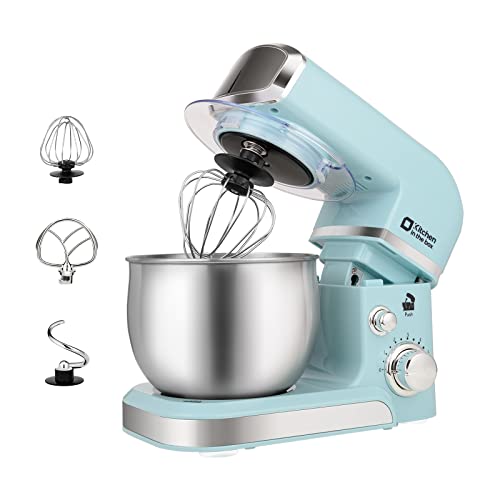
- In a large bowl (or the bowl of a stand mixer), beat the softened butter and sugar together on medium speed. Keep going for a full 5 minutes. I know that sounds like a long time, but this step is where the magic happens. The mixture should become very pale, almost white, and noticeably fluffy. You’re beating air into the butter, which is what makes the final cookies light and tender instead of dense and flat.
- Add the eggs one at a time, beating well after each addition. Scrape down the sides of the bowl between eggs so everything gets incorporated evenly. Then mix in the vanilla extract.
Callie’s Kitchen Note: I used to rush the creaming step – maybe 2 minutes at most. The cookies came out fine but a bit dense. When I finally committed to the full 5 minutes, the difference was obvious. The dough was lighter and fluffier, and the baked cookies had that soft, cake-like crumb I’d been trying to get. Don’t skip the time here. Set a timer if you need to.
Mixing the Dry Ingredients
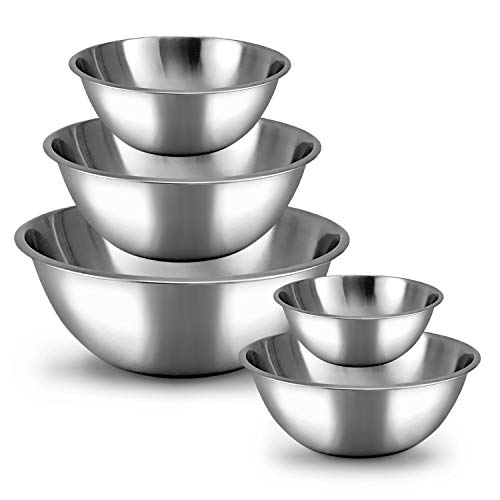
- In a separate medium bowl, whisk together the flour, baking powder, and baking soda. Whisking distributes the leaveners evenly through the flour so you don’t end up with random pockets of baking soda in your cookies (trust me, you’ll taste it if that happens).
- Gradually add the dry mixture to the wet ingredients, mixing on low speed. Add it in about three batches, mixing after each one until just combined. Stop as soon as you don’t see any more dry flour streaks. Overmixing at this point develops too much gluten and makes your tea cakes tough instead of tender. The dough will be soft and a little sticky – that’s exactly right.
Why We Chill the Dough
- Divide the dough in half. Shape each half into a flat disc (this helps it chill faster than a big ball), wrap tightly in plastic wrap, and place in the freezer for 30 minutes. If you’re using the fridge instead, give it a full hour.
Chilling the dough firms up the butter, which means the cookies hold their shape better in the oven instead of spreading into thin, flat discs. It also lets the flour fully hydrate, which improves the texture. This step is not optional if you want those soft, puffy Southern tea cakes with a nice rounded shape.
Scooping and Baking
- While the dough chills, preheat your oven to 350 degrees F and line a baking sheet with parchment paper. Parchment prevents sticking and makes cleanup much easier.
- Using a cookie scoop (I use a medium one, about 1.5 tablespoons), portion the dough onto the prepared baking sheet. Space them about 2 inches apart to give them room to spread slightly. If you don’t have a scoop, roll the dough into golf ball-sized pieces by hand.
- Bake for 10 minutes, or until the edges are just barely turning light golden. The centers might still look slightly soft – that’s what you want. They’ll firm up as they cool. If the tops are fully golden and firm, you’ve gone a bit too far.
- Let the cookies cool on the baking sheet for 5 minutes (they need this time to set), then transfer them to a wire rack to cool completely.
Callie’s Kitchen Note: The first time I made these, I baked them for 12 minutes because they “didn’t look done.” They were dry and crumbly the next day. Now I always pull them at 10 minutes even when they look underdone. They keep cooking on the hot baking sheet for those 5 minutes and end up exactly right – soft in the center with the slightest golden edge.
Common Mistakes To Avoid
Southern tea cakes seem simple, but there are a handful of things that can throw off the whole batch. Here’s what I’ve learned from my own trial and error.
Not creaming the butter and sugar long enough. This is probably the most common mistake. A quick 1-2 minute mix isn’t enough. You need the full 5 minutes to beat enough air into the butter. That air is what gives the cookies their light, cake-like texture. Undercreamed dough makes dense, flat cookies.
Measuring flour by scooping from the bag. Scooping packs the flour down and gives you way more than the recipe calls for. Too much flour means dry, crumbly cookies. Spoon the flour into your cup and level it off, or weigh it. 375 grams for 3 cups is the target.
Skipping the chill time. Warm dough spreads fast in a hot oven. If you skip the freezer step, your tea cakes will flatten out and bake thin and crispy instead of staying thick and soft. Even a 15-minute chill makes a big difference.
Overbaking. Pull them out when the edges are barely golden and the centers still look a tiny bit soft. They continue baking on the sheet. Overbaked tea cakes lose their signature softness and become dry by the next day.
Using cold butter or cold eggs. Cold ingredients don’t cream properly. The butter stays lumpy, the eggs don’t incorporate smoothly, and the texture suffers. Room temperature ingredients are a non-negotiable for this recipe.
Storage and Reheating
These cookies keep really well, which is one of the reasons they’re so great for make-ahead baking and gifting.
At room temperature: Store baked Southern tea cakes in an airtight container at room temperature for up to 5 days. They actually taste even better on day two once the flavors have had time to settle and the texture softens just a bit more.
Freezing baked cookies: Once the cookies are completely cool, place them in a single layer in a freezer-safe container with parchment paper between the layers. Freeze for up to 3 months. Thaw at room temperature for about 20 minutes, or warm in the microwave for 5-10 seconds for a just-baked feel.
Freezing the dough: This is one of my go-to strategies. Wrap the chilled dough discs tightly in plastic wrap, then slide them into a freezer bag. They’ll keep for up to 3 months. When you’re ready to bake, move the dough to the fridge the night before to thaw slowly, then scoop and bake as normal. You can also scoop the dough into balls, freeze them on a sheet pan, and transfer to a bag once solid – that way you can bake just a few at a time.
Reheating: Microwave for 5-10 seconds for a warm, soft cookie. Or heat in the oven at 300 degrees F for about 5 minutes if you want to restore a slightly firmer edge. They’re great at any temperature, honestly.
For best practices on storing baked goods, the USDA recommends keeping items at room temperature for no more than a few days, and freezing for longer-term storage (source: USDA Food Safety and Inspection Service).
Callie’s Kitchen Note: I made a quadruple batch for a church bake sale last December and froze half the dough. A month later, I baked it fresh for Christmas Eve and nobody could tell it had been frozen. Freezing the dough is the best hack for always having fresh-baked cookies on hand without the day-of work.
Old-Fashioned Southern Tea Cakes Variations
The classic version is perfect on its own, but once you’ve got the base recipe down, there’s a lot of room to play.
Lemon Tea Cakes. Add the zest of one lemon and a tablespoon of fresh lemon juice to the batter when you add the vanilla. The citrus cuts through the butter in a really bright, clean way. Dust the cooled cookies with powdered sugar for a pretty finish.
Cinnamon Spice Tea Cakes. Mix 1/2 teaspoon of cinnamon and a pinch of nutmeg into the dry ingredients. These taste incredible in the fall and pair perfectly with hot apple cider or a chai latte.
Brown Butter Tea Cakes. Brown the butter in a saucepan before creaming (let it cool and re-solidify in the fridge first). The nutty, toasty flavor takes these cookies to a whole different level. It’s a small extra step that makes a big impression.
Chocolate Chip Tea Cakes. Fold in 1/2 cup of mini chocolate chips right before chilling the dough. The chocolate adds just enough sweetness without overpowering the buttery base.
Almond Tea Cakes. Replace the vanilla extract with 1 teaspoon of almond extract and press a sliced almond into the top of each cookie before baking. The almond flavor is subtle but really gorgeous with the butter.
Dairy-Free Version. Swap the butter for plant-based butter and use a good-quality brand. The texture is nearly identical, and the flavor is still rich and satisfying.
Gluten-Free Version. Use a 1:1 gluten-free flour blend with xanthan gum. The cookies spread just slightly more than the original, but the taste and softness are spot-on. Chill the dough for a full 45 minutes instead of 30 for better shape.
Serving Suggestions
Old-Fashioned Southern Tea Cakes are about as versatile as cookies get. They work with everything from a simple cup of coffee to a full dessert spread.
With afternoon tea or coffee. This is the traditional way. Set a plate of tea cakes next to a pot of hot tea (sweet tea iced in the summer) and let people help themselves. The lightly sweet, buttery flavor is made for sipping alongside.
As part of a cookie tray. These are a staple on my holiday cookie trays because they balance out the richer, sweeter cookies. Between the chocolate fudge and the frosted sugar cookies, the tea cakes give your palate a little break.
Dusted with powdered sugar. Right before serving, give the cooled cookies a light dusting of powdered sugar through a fine-mesh sieve. It adds a beautiful vintage look and just a whisper of extra sweetness.
With fresh berries and whipped cream. For a dressier presentation, stack 2-3 tea cakes on a plate, pile on some mixed berries, and add a dollop of lightly sweetened whipped cream. It turns a humble cookie into a proper dessert.
As a gifting cookie. Stack them in a cellophane bag, tie with ribbon, and attach a handwritten tag. I’ve given these for teacher gifts, neighbor drop-offs, and care packages. They ship well because they’re sturdy enough not to crumble in transit.
Beverage pairings. Sweet tea is the quintessential Southern pairing. A chai latte works beautifully too – the spices in the chai complement the vanilla notes in the cookie. Warm apple cider is another winner, especially in the fall. For a kid-friendly option, just a cold glass of milk.

Old-Fashioned Southern Tea Cakes FAQ
Yes, you can. If you’re using self-rising flour, leave out the baking powder and baking soda since they’re already included in the flour. Also skip any added salt if the self-rising flour contains it (most do). The cookies will turn out very similar, though some bakers find them just slightly more tender with self-rising flour.
I’ve made them both ways, and the difference is honestly minimal. Use whichever flour you have on hand.
A few things can cause this. The most likely culprit is warm dough – if you didn’t chill it long enough, the butter melts too quickly in the oven and the cookies spread before they can set. Make sure you freeze the dough for a full 30 minutes.
Another possibility is room temperature butter that was too soft or nearly melted before creaming. You want the butter pliable but not warm and shiny. If your kitchen is hot, pop the butter back in the fridge for a few minutes before you start.
Too much sugar or not enough flour can also cause spreading. Double-check your measurements, especially the flour (spoon and level, don’t scoop).
Reduce the baking time by 1-2 minutes. Pull them out when the centers still look slightly underdone – they’ll continue setting on the hot baking sheet. The cookies will be softer when cooled.
You can also try replacing one of the three eggs with just an egg yolk. The extra fat from the yolk without the drying effect of the white produces a more tender cookie. I tested this and it really does make them noticeably softer.
Absolutely. After chilling, roll the dough out on a lightly floured surface to about 1/4-inch thickness. Cut with your cookie cutters, place on a parchment paper-lined baking sheet, and bake for 8-10 minutes (slightly less time than scooped cookies since they’re thinner).
This is the more traditional Southern way to make tea cakes, actually. My grandmother always rolled and cut hers into rounds. It gives them that classic look. Just don’t re-roll the scraps more than once – each re-roll makes the cookies a little tougher.
Great question, because they look similar. The biggest difference is texture. Southern tea cakes are softer and more cake-like, while sugar cookies tend to be crisper and chewier. Tea cakes also use less sugar than most sugar cookie recipes, so the sweetness is more restrained and the butter flavor comes through more clearly.
Sugar cookies also typically include cream of tartar or a different leavener ratio, which gives them a different crumb. Tea cakes use baking powder and a touch of baking soda, which contributes to their light, pillowy texture.
Historically, tea cakes were the everyday cookie of the Southern kitchen – simple, unfussy, and made from whatever was on hand. Sugar cookies are more of a project cookie, often rolled, cut, and decorated.
Baked cookies stay fresh in an airtight container at room temperature for up to 5 days. By day 3-4, they start to firm up slightly, but they’re still good for dunking in coffee or tea. If you want them soft again, a quick 5-second microwave zap brings them right back.
For longer storage, freeze them for up to 3 months. The dough also freezes well for up to 3 months, which means you can bake fresh cookies anytime without any prep work. I always recommend keeping a disc of frozen dough in the freezer for those “I need cookies in 30 minutes” moments.
Recipes You May Like
If these Old-Fashioned Southern Tea Cakes are your kind of cookie, you’ll probably love these too.
- Easy Vanilla Tea Cake Cookies – A slightly different spin on the classic tea cake with a stronger vanilla flavor and a softer, almost melt-in-your-mouth texture. These are great for anyone who loves simple, buttery cookies.
- Anytime Almond Tea Cakes – These swap in almond extract for the vanilla and have a slightly more delicate crumb. They’re gorgeous served at a tea party or wrapped up as a gift.
- Peanut Butter Snickerdoodles – If you love the simple, buttery base of tea cakes but want something with a little more flavor punch, these peanut butter-cinnamon cookies are a fun next step. Same easy technique, totally different flavor direction.
Conclusion
Old-Fashioned Southern Tea Cakes are one of those recipes that remind me why I love baking in the first place. They’re simple. They’re honest. And they taste like somebody’s grandmother made them with love – because that’s exactly where this recipe comes from. Every time I pull a batch from the oven, I think about standing on that step stool in my grandmother’s kitchen and watching her work.
The ingredient list is short, the technique is forgiving, and the result is a cookie that makes people smile. Whether you’re making them for a holiday gathering, a Sunday afternoon snack, or just because you want something homemade and warm on the counter, I really think you’ll love these as much as my family does.
Try them this weekend. Let me know how they turn out in the comments, and save this recipe to your Pinterest board so it’s there whenever the mood strikes.
Happy baking!
Callie


Old-Fashioned Southern Tea Cakes

Old-fashioned Southern tea cakes are soft, buttery cookies with a hint of vanilla, perfect for pairing with tea or coffee. This classic Southern recipe delivers a light, slightly crisp exterior and a melt-in-your-mouth center. Made with simple pantry staples, these cookies are quick to prepare and offer a nostalgic taste of homemade goodness.
- Prep Time: 5 minutes
- Chill Time: 30 minutes
- Cook Time: 10 minutes
- Total Time: 45 minutes
- Yield: 30 cookies 1x
- Category: Cookies
- Method: Baking
- Cuisine: Southern
- Diet: Vegetarian
Ingredients
- 1 ½ cups granulated sugar
- 1 cup unsalted butter (2 sticks)
- 3 large eggs
- 1 teaspoon vanilla extract
- 3 cups all-purpose flour
- 1 teaspoon baking powder
- ½ teaspoon baking soda
Instructions
- In a stand mixer or with a hand mixer, beat butter and sugar for 5 minutes until light and fluffy.
- Add eggs one at a time, mixing well after each addition. Stir in the vanilla extract.
- In a separate bowl, whisk together flour, baking powder, and baking soda.
- Gradually add the dry ingredients to the wet ingredients, mixing until fully combined.
- Divide the dough into two portions, wrap in plastic wrap, and freeze for 30 minutes.
- Preheat oven to 350°F (175°C) and line a baking sheet with parchment paper.
- Using a cookie scoop, portion out dough onto the baking sheet, spacing them 2 inches apart.
- Bake for 10 minutes, or until edges are lightly golden.
- Let cookies cool on the baking sheet for 5 minutes before transferring to a wire rack.
- Enjoy warm or store for later.


Notes
- Chilling the Dough: Freezing the dough prevents excessive spreading during baking.
- Softness Tip: Reduce baking time by 1-2 minutes for a softer texture.
- Flavor Twist: Add a teaspoon of almond or lemon extract for a unique variation.
- Make-Ahead: Dough can be frozen for up to 3 months and baked fresh when needed.
Nutrition
- Serving Size: 1 cookie
- Calories: 139 kcal
- Sugar: 10g
- Sodium: 34mg
- Fat: 6g
- Saturated Fat: 4g
- Unsaturated Fat: 2.3g
- Trans Fat: 0.2g
- Carbohydrates: 20g
- Fiber: 0.3g
- Protein: 1g
- Cholesterol: 17mg