This post may contain affiliate links. For more information, see our Affiliate Disclosure Policy.
A Nutritious and Satisfying Brunch Favorite
By Callie
I’ll be honest – for years my scrambled eggs were boring. Just eggs, salt, pepper, done. They were fine. Totally edible. But nothing I actually looked forward to eating. Then one morning I opened the fridge, saw half a bell pepper, a handful of spinach that was about a day away from going bad, and a few cherry tomatoes, and I thought, “What if I just threw all of this in there?” That was the morning everything changed.
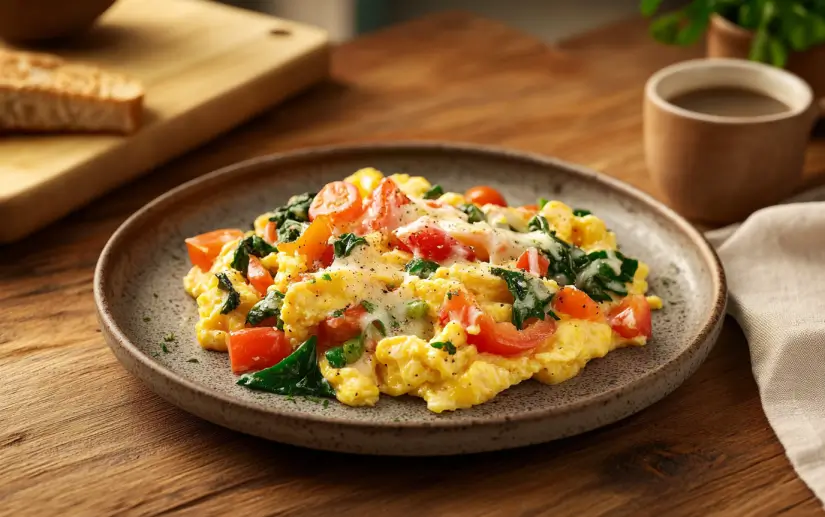
These veggie-packed scrambled eggs are now one of the most-requested breakfasts in our house. They’re soft, creamy, loaded with colorful vegetables, and finished with melty cheese and fresh herbs. The whole thing takes about 15 minutes, and most of that time is just standing at the stove gently stirring. Emily was skeptical the first time she saw all the vegetables going into the pan – she gave me that look she gives me when she thinks I’m ruining a perfectly good meal – but after one bite she was on board. She’s even started requesting specific veggie combinations, which honestly makes me a little proud.
What I really love about this recipe is that it’s basically a fridge clean-out disguised as a really good breakfast. Whatever vegetables you have on hand will probably work. Bell peppers, spinach, cherry tomatoes, and onion are my go-to combination, but I’ve made versions with zucchini, mushrooms, shredded carrots, and even leftover roasted broccoli. It all works because the eggs tie everything together in this soft, creamy scramble that tastes way more put-together than the 15 minutes of effort it actually takes.

If you’re looking for more ways to get veggies into your morning, my Mediterranean Scrambled Eggs are another great option with a completely different flavor profile – feta, olives, and sun-dried tomatoes take things in a whole new direction.
Why You Will Like This Veggie-Packed Scrambled Eggs Recipe
- Ready in about 15 minutes – From cracking the eggs to sitting down at the table, this whole recipe comes together fast. It’s a true weekday morning breakfast that doesn’t require you to set an alarm any earlier than usual.
- Loaded with vegetables and protein – You’re getting a full serving of veggies plus all the protein from the eggs in a single dish. It’s the kind of breakfast that actually keeps you full through the morning instead of leaving you reaching for a snack by 10 AM.
- Uses up whatever is in your fridge – Got half a pepper that’s been sitting there since Tuesday? A bag of spinach that needs to be used today? Some cherry tomatoes that are starting to wrinkle? Toss them in. This recipe is basically designed for odds-and-ends produce.
- Soft, creamy, and seriously satisfying – Cooking the eggs low and slow with gentle stirring gives you that soft, almost custard-like texture that makes scrambled eggs special instead of just okay. The melted cheese takes it over the top.
- Completely customizable – Swap the veggies, change the cheese, add some protein like sausage or bacon, throw in different herbs. The base technique stays the same but you can take it in a hundred different directions.
- Kid-friendly (yes, really) – I was surprised too, but Emily actually eats these without picking out the vegetables. The cheese helps, and so does cutting the veggies into small pieces so they blend into the eggs rather than being big, obvious chunks.
- Great for meal prep – You can chop all the vegetables the night before and store them in a container in the fridge. In the morning, you’re just dumping pre-chopped veggies into a hot pan. It shaves minutes off the process.
- Works for any meal, not just breakfast – I’ve made these for a quick dinner more times than I can count. Scrambled eggs with toast and a simple salad is a perfectly good meal when you don’t feel like cooking something complicated.
Veggie-Packed Scrambled Eggs Ingredients
Here’s what goes into these eggs. The list is short and flexible.
- 6 large eggs – This serves about 2-3 people. I always crack mine into a bowl first rather than directly into the pan, partly to check for shell pieces and partly because you want to whisk them well before they hit the heat. Room temperature eggs blend more evenly, but straight from the fridge works too.
- Salt and pepper, to taste – I add a pinch of salt and a few cracks of pepper to the eggs before whisking. Season again at the end if needed. You want to season in layers rather than dumping it all in at once.
- 1 tablespoon butter or olive oil – Butter gives the eggs a richer taste and helps create that creamy texture. Olive oil works too and is a great option if you’re keeping things dairy-free. I usually go with butter for the flavor.
- 1/2 bell pepper, diced – Any color works. Red and orange peppers are a little sweeter, green is slightly more bitter but still good. Dice them small, roughly the size of your fingernail, so they cook quickly and distribute evenly through the eggs.
- 1/4 onion, finely diced – I like yellow onion here because it gets slightly sweet when you saute it. Red onion works too if that’s what you have. Again, dice it small so it softens up fast.
- 1 cup fresh spinach, roughly chopped – Spinach wilts down to almost nothing when it cooks, so don’t worry that a cup seems like a lot. By the time it’s in the eggs, you’ll barely notice the volume. What you will notice is the color – it adds these pretty flecks of green throughout.
- 1/2 cup cherry tomatoes, halved or quartered – Halved works for smaller tomatoes, quartered for larger ones. They add little bursts of bright acidity that cut through the richness of the eggs and cheese. I usually add them to the pan after the other veggies have had a head start so they don’t break down completely.
- 1/3 cup shredded cheese – Cheddar, Monterey Jack, or a Mexican blend all work well. I usually grab whatever is open in the fridge. The cheese melts into the eggs and makes everything feel more decadent.
- Fresh herbs for garnish – Chopped chives, parsley, or cilantro. Totally optional but they add a pop of color and freshness that makes the plate look (and taste) more interesting.
Callie’s Kitchen Note: I spent a few weeks testing different cheese options in these eggs and the results were actually pretty different. A sharp cheddar gave the strongest flavor, Monterey Jack was the meltiest and creamiest, and goat cheese added a tangy punch that surprised me. All three were good, but for everyday mornings, I keep coming back to a sharp cheddar because it stands up well to all the veggies.
Ingredient Substitutions
- Kale or arugula in place of spinach gives a slightly different flavor – kale is heartier and takes a bit longer to wilt, arugula is peppery and wilts almost instantly
- Dairy-free cheese or nutritional yeast works for a vegan-friendly option (skip the butter too and use olive oil)
- Mushrooms, zucchini, or shredded carrots are all great additions or swaps depending on what’s in your fridge
- Coconut oil or ghee in place of butter for a different richness
- Egg whites only if you’re watching cholesterol – use about 8-10 whites to replace the 6 whole eggs
How To Make Veggie-Packed Scrambled Eggs
This is a Quick Fix recipe – fast, simple, and no special skills needed. The whole thing is one pan and about 15 minutes of your time.
Whisk The Eggs
Crack the 6 large eggs into a bowl. Add a pinch of salt and a few cracks of black pepper. Whisk vigorously with a fork or a whisk until the eggs are well-beaten and slightly frothy on top. You want the yolks and whites fully combined – no streaks of white showing. This takes about 30 seconds of good whisking and makes a real difference in the final texture. Set the bowl aside.
Cook The Aromatics
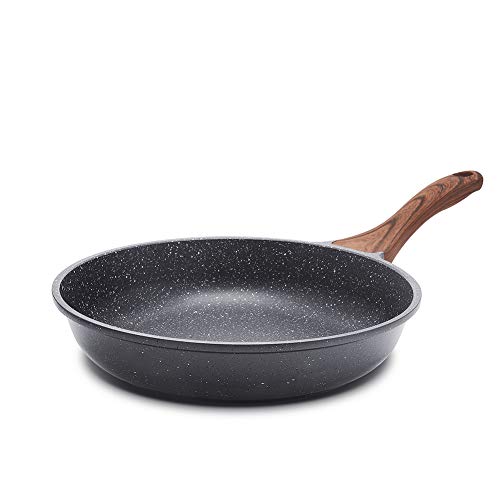
Heat a skillet over medium heat and add the butter or olive oil. Once the butter has melted and is starting to foam (or the oil shimmers), add the diced bell pepper and onion. Saute them for about 3-4 minutes, stirring occasionally, until they’ve softened and the onion looks translucent. You’ll start to smell that sweet, savory aroma that means the vegetables are giving up their moisture and concentrating their flavor.
Callie’s Kitchen Note: The biggest thing I learned from making these dozens of times is to actually cook the veggies first, before the eggs go in. My early attempts, I’d add everything at once and end up with watery eggs because the vegetables released moisture directly into the scramble. Cooking the peppers and onions for a few minutes first lets that extra liquid cook off so your eggs stay creamy, not soggy.
Add The Spinach And Tomatoes
Add the chopped spinach and halved cherry tomatoes to the skillet. Stir everything together and saute for another 1-2 minutes. The spinach will wilt down quickly – it goes from a big pile to almost nothing in about 60 seconds. The tomatoes just need to warm through; you don’t want them to completely break down.
Scramble The Eggs
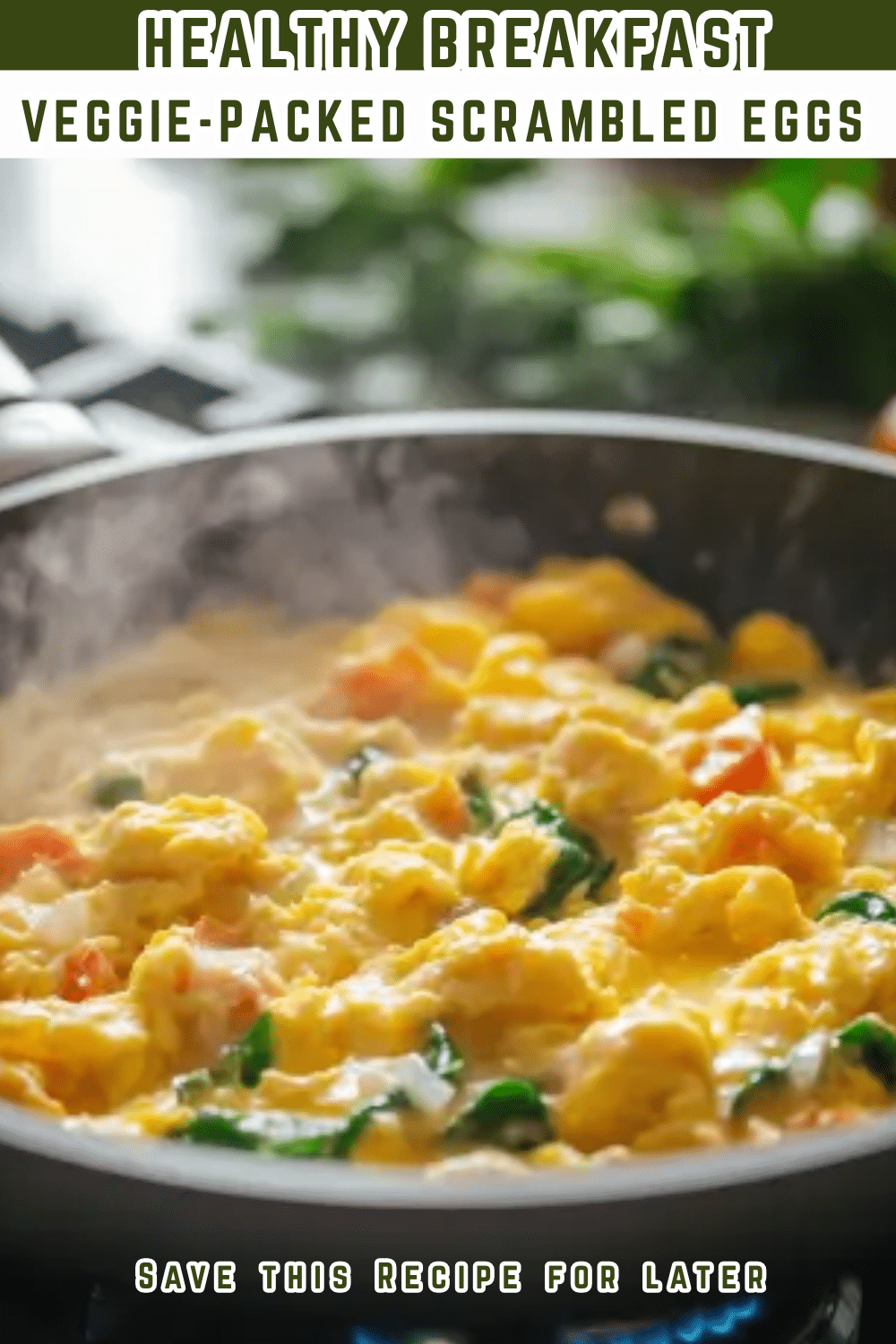
Here’s where the magic happens. Turn the heat down to medium-low – this is really important. Pour the beaten eggs over the vegetables in the skillet. Let them sit undisturbed for about 10-15 seconds so the bottom starts to set. Then, using a spatula, gently push the eggs from the edges toward the center, letting the uncooked egg flow to the empty space on the pan.
Keep doing this gently, almost like you’re folding the eggs rather than stirring them aggressively. You’re looking for large, soft curds rather than tiny broken-up pieces. This whole process takes about 3-4 minutes. Pull the eggs off the heat when they still look slightly wet and glossy – they’ll continue cooking from residual heat and finish setting on the plate.
Add The Cheese And Serve
While the eggs are still in the pan and barely set, sprinkle the shredded cheese over the top. Give it one or two gentle stirs to start the melting process, then immediately transfer to plates. The cheese should be melted and stretchy, not fully absorbed.
Top with fresh herbs – chopped chives are my go-to, but parsley or cilantro both work. Serve right away with toast, a side of fruit, or whatever sounds good.
Speed Hacks for Busy Mornings:
- Chop all vegetables the night before and store in a single container in the fridge
- Use pre-shredded cheese to skip the grating step
- Whisk the eggs in a jar with a lid – shake it for 20 seconds and you’re done
- Cook in a large skillet so you can do everything in one pan with no transfers

Common Mistakes To Avoid
Scrambled eggs seem simple, but there are a few easy ways to end up with something rubbery or watery instead of soft and creamy. Here’s what I’ve learned from plenty of trial and error.
Cooking on high heat. This is the number one scrambled egg mistake and I made it for years. High heat cooks the eggs too fast, squeezes out moisture, and gives you dry, rubbery curds with a slightly sulfurous taste. Medium-low heat is the sweet spot. Yes, it takes a couple extra minutes. But the difference in texture is night and day. Slow, gentle cooking is what gives you those big, soft, custard-like curds.
Overmixing while cooking. There’s a difference between gently folding the eggs with a spatula and stirring them constantly like you’re making a stir-fry. Too much agitation breaks the curds into tiny, dry pieces. You want to push them gently from the edges to the center, letting large curds form naturally. Then leave them alone for a few seconds before pushing again.
Adding watery vegetables without pre-cooking. Fresh spinach, tomatoes, and peppers all contain a lot of water. If you dump them raw into the eggs without sauteing first, that moisture releases directly into the scramble and you end up with a watery mess at the bottom of the plate. Always cook your veggies for a few minutes first to let the excess liquid evaporate.
Overcooking the eggs. Pull them off the heat while they still look slightly underdone and glossy. The residual heat from the pan and from the eggs themselves will finish the cooking. If you wait until they look fully done in the skillet, they’ll be overdone by the time they reach the plate. This was a hard one for me to trust at first, but it works every time.
Callie’s Kitchen Note: I once read that Gordon Ramsay takes his scrambled eggs on and off the heat throughout the cooking process. I tried it and it really does work – when the curds start to set too quickly, I pull the pan completely off the burner for a few seconds, stir gently, then put it back. It gives you so much more control and the eggs turn out incredibly creamy.
Storage And Reheating
Let’s be upfront – scrambled eggs are at their absolute best the moment they come off the stove. That said, I know mornings can be chaotic and sometimes you need to make breakfast ahead or deal with leftovers.
Refrigerator Storage
Let the eggs cool to room temperature before storing. Place them in an airtight container and they’ll keep in the refrigerator for up to 2 days. I’ll be honest though, the texture does change a bit. They won’t be quite as soft and creamy as fresh, but they’re still perfectly good, especially if you reheat them the right way.
Reheating Methods
Stovetop (my pick): Warm a skillet over low heat with a small pat of butter or a drizzle of olive oil. Add the leftover eggs and heat gently, stirring occasionally, until warmed through. The added fat helps bring back some of that creamy texture. This takes about 2-3 minutes and produces the best results.
Microwave: Heat in 20-second intervals, stirring between each one. This prevents hot spots and keeps the eggs from getting rubbery. Total time is usually about 40-60 seconds depending on the amount.
Meal Prep Strategy
Rather than cooking and storing the finished eggs, I’ve found it works much better to prep the components and assemble fresh each morning. Here’s my system:
Chop all the vegetables on Sunday evening and store them in a single container in the fridge. They’ll stay fresh for 3-4 days. Pre-shred your cheese and keep it in a separate container. In the morning, all you’re doing is whisking eggs and cooking – which takes about 8 minutes with everything prepped.
For food safety, the USDA recommends that cooked eggs be refrigerated within 2 hours and consumed within 3-4 days for best quality.
Veggie-Packed Scrambled Eggs Variations
The base recipe is great, but here are some directions you can take it depending on your mood or what’s in the fridge.
Southwest Style – Swap the spinach for black beans and corn. Use pepper jack cheese instead of cheddar. Top with salsa, diced avocado, and a squeeze of lime. Wrap it in a warm tortilla and you’ve basically got a breakfast burrito.
Mediterranean – Use sun-dried tomatoes instead of cherry tomatoes, add a handful of Kalamata olives, and crumble feta over the top instead of shredded cheese. Finish with fresh oregano. This is basically a whole different meal and it’s so good.
Meat Lover’s – Cook a few slices of crumbled bacon or diced breakfast sausage in the pan before adding the vegetables. The rendered fat becomes the cooking oil for the veggies, which adds a smoky, savory depth to the whole dish. Emily always votes for this version.
Mushroom and Herb – Swap the bell pepper and tomatoes for sliced cremini mushrooms and fresh thyme. Saute the mushrooms until they’re golden and most of their moisture has cooked off, then add the spinach and eggs. Top with Gruyere or Swiss cheese. This one feels a little more grown-up.
Italian Pesto – Stir a tablespoon of basil pesto into the eggs before cooking. Use mozzarella for the cheese and top with halved grape tomatoes and fresh basil. It sounds fancy but adds maybe 10 seconds to the prep time.
Spicy Sriracha – Add a teaspoon of sriracha to the eggs when you whisk them. Use pepper jack cheese and top with sliced scallions and a drizzle of more sriracha. For anyone who likes their mornings with a little heat.
Garden Fresh (Summer Version) – In the warm months, I swap in whatever’s coming out of the garden or the farmers market. Zucchini, fresh corn cut off the cob, heirloom tomatoes, fresh basil. It’s the same technique but it tastes completely different when the produce is at its peak.
Callie’s Kitchen Note: When I tested the mushroom version, I made the mistake of adding the mushrooms at the same time as the eggs. Mushrooms release a lot of water as they cook, and it made the whole thing soupy. Now I always cook mushrooms separately until they’re golden and dry, then add them to the pan with the other veggies. Much better result.
Serving Suggestions
For a quick weekday breakfast, serve these eggs straight from the pan onto a plate with a slice or two of buttered toast. Add a piece of fruit on the side and you’ve got a balanced meal in under 15 minutes.
For weekend brunch, go a little bigger. Serve the eggs alongside crispy hash browns or roasted breakfast potatoes, a few strips of bacon, and some sliced avocado. Set out a basket of warm toast or English muffins and let everyone build their own plate.
For a light lunch or dinner, pair these with a simple green salad dressed with lemon and olive oil. It’s one of those meals that feels clean and satisfying without being heavy. I make this combination at least once a week when I don’t feel like cooking a big dinner.
Wrap it up – Spoon the scrambled eggs into a warm flour tortilla with some salsa and avocado for a quick breakfast burrito. This is my go-to when Emily needs to eat on the way to school.
Presentation tip: Serve on a warm plate (I run mine under hot water for a minute) – it keeps the eggs warm longer and looks more polished. A few extra herb sprigs on the side and a crack of black pepper over the top makes it look like brunch at a cafe.
Beverage pairings: Hot coffee is the obvious pick. A glass of fresh orange juice is classic. For something different, try these alongside a fruit smoothie or a hot chai – the spice in the chai actually pairs really well with the savory eggs.
Veggie-Packed Scrambled Eggs FAQ
Yes, and they’ll still taste great. Use olive oil or coconut oil instead of butter to cook the vegetables and the eggs. For the cheese, you have two options: either skip it entirely (the eggs are plenty flavorful with all the veggies and seasonings) or use a plant-based cheese that melts well. Nutritional yeast is another option I really like – sprinkle about 2 tablespoons over the eggs right at the end and stir it in. It gives a slightly cheesy, savory flavor without any dairy. I’ve served the nutritional yeast version to people who didn’t know it was dairy-free and they had no idea.
Absolutely. Cooked bacon (crumbled), diced ham, breakfast sausage, or even leftover shredded chicken all work well. The key is to cook the meat first, set it aside, then cook your vegetables and eggs. Add the cooked meat back in at the same time you add the cheese. If you cook raw meat in the same pan, the fat it renders will flavor the vegetables, which is actually a nice bonus. Just make sure any meat you add is fully cooked through before the eggs go in.
Almost certainly the heat was too high or you cooked them too long. Scrambled eggs need medium-low heat and gentle stirring. If the pan is too hot, the proteins in the eggs seize up and squeeze out moisture, leaving you with dry, tough curds. The fix is simple: turn the heat down, be patient, and pull the eggs off the heat while they still look slightly wet. They’ll continue cooking from residual heat and end up perfectly set but still soft and creamy.
This usually happens when the vegetables release moisture into the eggs during cooking. The solution is to saute the vegetables for 3-4 minutes before adding the eggs, giving that excess water time to evaporate. Spinach and tomatoes are the biggest culprits here. Another tip: if you see liquid pooling in the pan after adding the eggs, tilt the pan and let it drain to one side, then wipe it away with a paper towel before continuing to cook.
With 6 eggs and all the vegetables, this recipe comfortably serves 2-3 people. If you’re cooking for a bigger group, just scale everything up proportionally. I’ve doubled the recipe plenty of times and it works perfectly – just use a larger skillet so everything has room to cook evenly. Don’t try to cram a double batch into a small pan or the eggs will steam instead of scramble.
You can, but the texture and flavor will be different. Egg whites produce a leaner scramble that’s less rich and creamy since all the fat is in the yolk. If you go this route, use about 8-10 egg whites to replace the 6 whole eggs, and add a tiny bit of extra butter or oil to the pan to compensate for the missing fat. I sometimes do a mix – 3 whole eggs and 4 whites – which gives you most of the protein benefits while keeping some of that richness.
Recipes You May Like
If these veggie-packed scrambled eggs are your kind of breakfast, here are some other egg-based recipes from the blog that you’ll probably love:
Pesto Eggs – A Bright, Herby Twist on Breakfast Classics – If you like the idea of flavored eggs but want something completely different, these pesto eggs cook right in a spoonful of basil pesto for an herby, garlicky result that’s all over social media for good reason.
Breakfast Veggie Scramble – This is the heartier, skillet-style cousin of the scrambled eggs above. More vegetables, bigger portions, and a great option for meal prep or feeding a crowd.
Healthy Breakfast Egg Muffins – Easy Meal Prep Recipe – Same concept of eggs plus veggies, but baked in a muffin tin so you can make a whole batch on Sunday and grab them throughout the week. These are a game-changer for busy mornings.
Conclusion
These veggie-packed scrambled eggs are proof that a healthy, colorful, protein-rich breakfast doesn’t need to be complicated or time-consuming. The combination of soft, creamy scrambled eggs mixed with sauteed peppers, spinach, tomatoes, and melted cheese is one of those meals that tastes way more considered than the 15 minutes it actually takes. And the best part is, you can change it up every single time based on what’s in your fridge.
I’d love to hear how you make yours. Are you a cheddar person or do you go for something different? Got a veggie combination I haven’t tried? Leave me a comment below and let me know. And if you make this recipe, snap a photo and pin it to your breakfast board on Pinterest so other people can find it too.
Happy cooking!
Callie
Veggie-Packed Scrambled Eggs

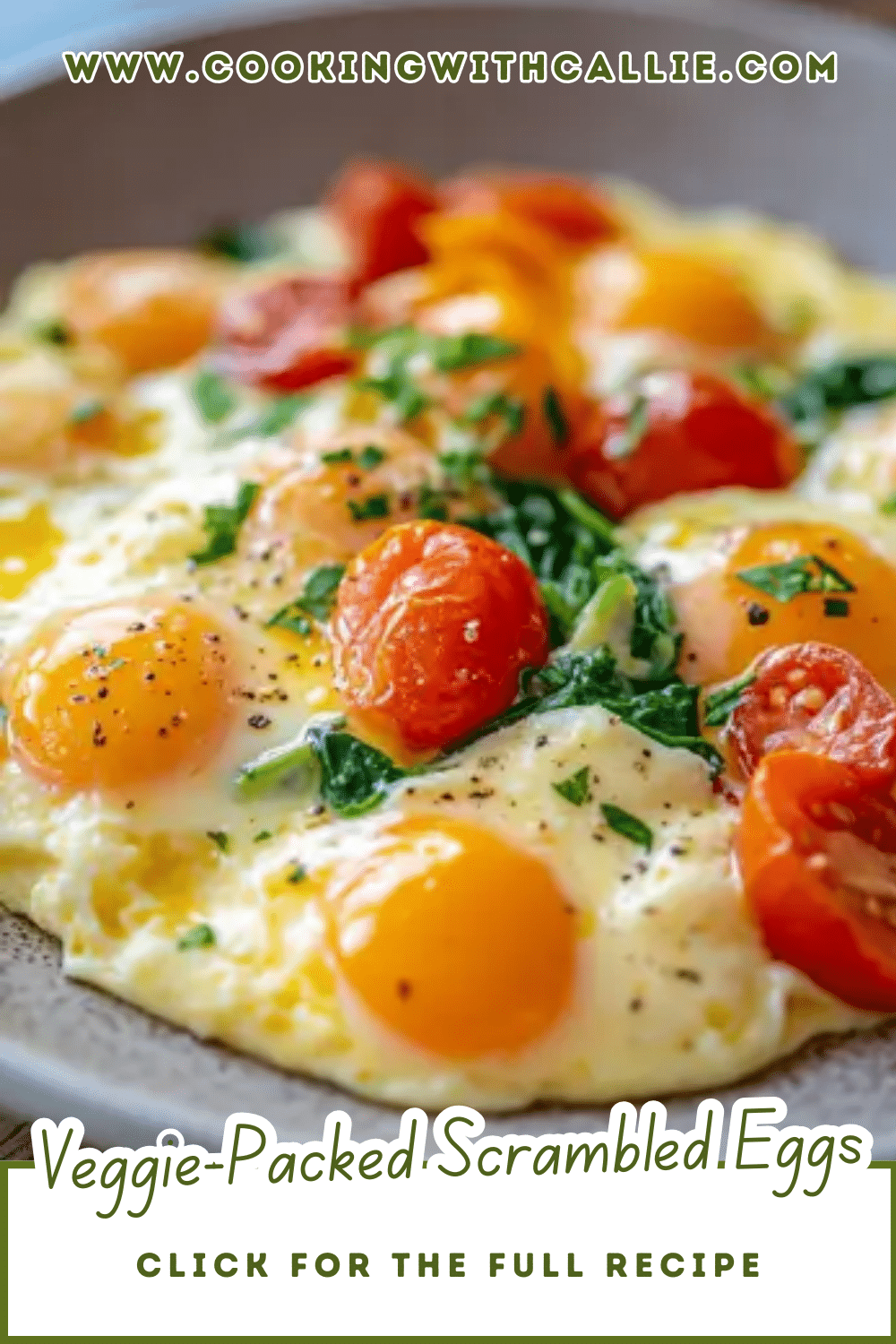
These veggie-packed scrambled eggs are a nutritious and flavorful way to start your day. Fluffy, creamy eggs are cooked with sautéed bell peppers, onions, fresh spinach, and juicy cherry tomatoes, then topped with melted cheese and fresh herbs. Quick, easy, and customizable, this dish is perfect for a healthy breakfast or brunch.
- Prep Time: 5 minutes
- Cook Time: 10 minutes
- Total Time: 15 minutes
- Yield: 2 servings 1x
- Category: Breakfast, Brunch
- Method: Stovetop
- Cuisine: American
- Diet: Vegetarian
Ingredients
- 4 large eggs
- 1 tablespoon butter or olive oil
- 1/4 cup diced bell pepper
- 1/4 cup diced onion
- 1/2 cup fresh spinach, chopped
- 1/4 cup cherry tomatoes, halved
- 1/4 cup shredded cheese (cheddar, feta, or your favorite type)
- Salt and pepper, to taste
- Fresh herbs (parsley, chives, or cilantro) for garnish
Instructions
- In a bowl, whisk the eggs with salt and pepper until well-beaten and slightly frothy.
- Heat a skillet over medium heat and add the butter or olive oil. Once melted, add the diced bell pepper and onion. Cook for 3-4 minutes until softened.
- Add the chopped spinach and cherry tomatoes to the skillet. Sauté for another 1-2 minutes until the spinach wilts.
- Pour the beaten eggs into the skillet with the vegetables. Let them sit for a few seconds, then gently stir with a spatula. Continue to cook, stirring occasionally, until the eggs are soft and slightly set.
- Sprinkle the shredded cheese over the eggs and stir to combine. Cook for an additional 1-2 minutes until the cheese is melted and the eggs are fully cooked.
- Garnish with fresh herbs and serve immediately with toast or a side of fruit.



Notes
- For extra creaminess, add a splash of milk or cream to the eggs before whisking.
- Swap in your favorite veggies like mushrooms, zucchini, or shredded carrots for a fun twist.
- If using watery vegetables, cook them longer to prevent soggy eggs.
Nutrition
- Serving Size: 1 serving
- Calories: 270
- Sugar: 3g
- Sodium: 320mg
- Fat: 18g
- Saturated Fat: 7g
- Unsaturated Fat: 9g
- Trans Fat: 0g
- Carbohydrates: 6g
- Fiber: 2g
- Protein: 18g
- Cholesterol: 370mg